

Kratom has become a buzzword—and not always for the right reasons. Depending on who you ask, it’s either a life-changing herbal supplement or a dangerous, unregulated substance. But the truth, as usual, sits somewhere in the middle. So why does kratom keep making headlines? And more importantly, what are people getting wrong about it?
What Is Kratom, Really?
Kratom (Mitragyna speciosa) is a tropical plant native to Southeast Asia, particularly Thailand, Indonesia, and Malaysia. Its leaves have been used for centuries by local populations for energy, pain relief, and even as part of social and spiritual rituals. Traditionally, workers would chew kratom leaves to stay alert during long days in the heat.
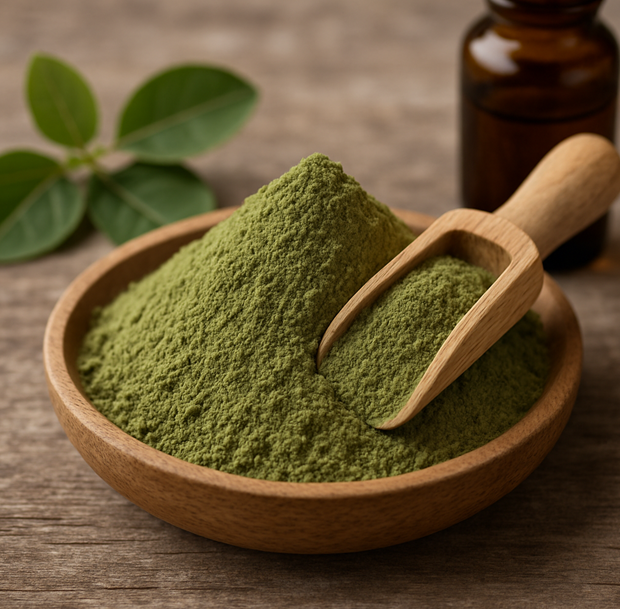
In modern times, kratom has been ground into powder, brewed into tea, or made into capsules. Many users in the West claim it helps with chronic pain, anxiety, opioid withdrawal, or fatigue. That said, kratom isn’t without its complexities—and that’s where the controversy starts.
Why Is It So Controversial?
Much of kratom’s bad press stems from the fact that it interacts with opioid receptors in the brain. This leads some experts and government agencies to group it in with synthetic opioids, despite its plant-based origins and unique pharmacology.
The FDA has repeatedly issued warnings about kratom, citing concerns over contamination, inconsistent dosing, and potential for abuse. At the same time, thousands of users have spoken out, crediting kratom with helping them avoid prescription painkillers or manage debilitating conditions.
So, is kratom an herbal remedy or a dangerous drug? That depends on how it’s used—and how much nuance you’re willing to consider.
What the Media Gets Wrong
Mainstream media often portrays kratom as an exotic danger lurking in your local wellness store. Stories tend to focus on rare adverse effects, ignoring the vast majority of users who consume kratom responsibly. These reports also rarely distinguish between kratom and synthetic, adulterated products that have been linked to health issues.
The result? A lot of fear, little context, and even less accurate education.
What the Science Says (So Far)
Research on kratom is still in its early stages, but early findings suggest it has both therapeutic potential and risks. Its active compounds, primarily mitragynine and 7-hydroxymitragynine, affect mood, pain, and energy—but they don’t behave exactly like opioids. Companies like 7Tabz are working to create refined kratom products. That makes kratom an outlier in the pharmacological world—one we don’t fully understand yet.
The Bottom Line
Kratom is neither a miracle cure nor a public health threat in and of itself. It’s a complex plant with a rich history, a passionate user base, and a growing need for balanced education and responsible regulation.
As interest continues to rise, so will the need for honest, evidence-based conversations. Kratom’s story is far from over—but maybe it’s time we start telling it more accurately.