

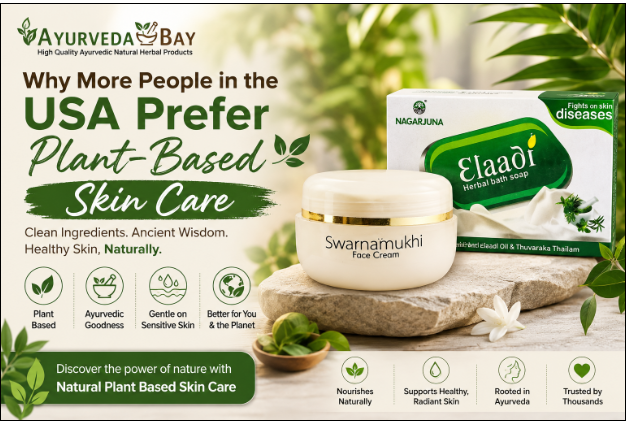
Introduction
Spend five minutes in any beauty retailer across the USA and it becomes pretty clear that something has shifted. The specialty section that once quietly housed plant-derived and botanical products has effectively merged with the main floor. These are not fringe products anymore. They are what a growing number of American consumers are actively choosing, returning to, and telling their friends about.
The move toward natural plant based skin care runs deeper than aesthetics or marketing. It is connected to a genuine change in how people think about their skin, their health, and the kind of companies they want to support with their money. That combination of personal and values-driven motivation is what makes this shift feel different from previous beauty trends.
The numbers reflect it too. The natural skin care market in the USA is on a consistent upward trajectory, supported by stronger consumer awareness, rising demand for cleaner formulations, and a purchasing audience that is becoming more informed by the month.
Whether you are just beginning to explore plant-based beauty or you are already well into the process of rebuilding your routine, understanding what is driving this shift gives helpful context for the choices ahead.
Why American Consumers Are Turning to Plant Based Skin Care
Ingredient Awareness Has Changed Everything
Not long ago, most people picked up a moisturiser or cleanser based on the packaging, the scent, or a recommendation from a friend. What was actually inside the bottle rarely came into the conversation. That dynamic has changed in a fairly significant way.
A large and growing segment of American consumers now research ingredients before they buy. They look things up. They cross-reference. And quite often, what they find leads them to question formulations they have been using for years.
Synthetic fragrances, parabens, sulphates, and a range of other chemical additives found in conventional skin care have come under increasing scrutiny. Some consumers are driven by skin sensitivity. Others are applying the same clean-ingredient thinking to their bathroom shelf that they already bring to their grocery shopping. Either way, the result is the same: a clear move toward natural plant based skin care built on botanical extracts, plant oils, herbal infusions, and ingredients that are easier to understand and trust.
Sensitive Skin Is a Growing Concern
Reports of skin sensitivity have increased noticeably over the past decade. Dermatologists across the country are seeing more patients dealing with reactions, persistent irritation, and flare-ups that frequently trace back to the products they are using rather than any underlying condition.
For people in this situation, switching to gentler plant-derived formulations is not really a lifestyle statement. It is a practical response to skin that has simply had enough of being overwhelmed by complex synthetic formulas.
Botanical ingredients, by their nature, tend to be less aggressive on the skin’s barrier. They work alongside the skin’s own processes rather than disrupting them, which is why so many people with reactive skin find them easier to tolerate.
If sensitivity is something you deal with regularly, taking time to explore the best natural skin care products for sensitive skin is a genuinely useful starting point. Look for formulations built around calming plant actives, short and recognisable ingredient lists, and a clear absence of the additives most commonly linked to irritation.
That said, patch testing any new product is always sensible, and a conversation with a dermatologist is worth having if you are managing something more complex than general sensitivity.
The Role of Ayurveda in the Plant Based Skin Care Movement
Ancient Principles Finding a Modern Audience
Ayurveda is a traditional system of health and wellness with roots in India going back thousands of years. Its approach to caring for the skin follows the same logic as its approach to health more broadly: work with the body, not against it, use what nature provides, and favour balance over intensity.
That philosophy fits remarkably well with where the American natural beauty conversation is right now. Ayurvedic skin care draws on herbs, plant oils, and botanical preparations with centuries of traditional use behind them. Ingredients like turmeric, neem, sandalwood, and ashwagandha are showing up in mainstream beauty products with increasing frequency, largely because consumers are specifically looking for them.
Why Ayurvedic Cleansing Has Caught Attention
Cleansing is one of the areas where Ayurvedic tradition and modern clean beauty values overlap most naturally. Many conventional soaps and body washes rely on synthetic detergents that, with regular use, can gradually compromise the skin’s natural moisture barrier, leaving it feeling tight, dry, or reactive.
Learning about ayurvedic soap benefits goes a long way toward explaining why traditionally formulated cleansing bars have developed such a loyal following in the USA. Made with natural oils, plant-based ingredients, and traditional herbs, they deliver an effective cleanse without the harshness that many consumers have come to associate with their existing products. For people who have struggled with dryness or irritation after washing, the change in how their skin feels can be fairly immediate.
It is worth noting, as always, that skin is individual. What suits one person well may not work the same way for someone else, so a thoughtful approach to trying new products is always worthwhile.
What Is Sustaining the Growth of Plant Based Beauty
Clean Labeling and Formula Transparency
American beauty consumers have developed a sharp eye for product labels, and they have equally developed a low tolerance for brands that hide behind vague ingredient groupings or unverifiable claims. Transparency is no longer a differentiator in the natural beauty space. It is the entry requirement.
Brands building their natural plant based skin care lines around genuinely clear formulations and honest sourcing are finding that this approach builds the kind of customer loyalty that is very difficult to buy through advertising.
Sustainability as a Purchasing Factor
The connection between personal wellness and environmental responsibility has become a real factor in how a growing number of Americans shop for beauty products. Sustainable sourcing, cruelty-free practices, and responsible packaging are questions consumers are raising regularly, and they are paying attention to the answers.
Brands that engage with these issues seriously, rather than treating them as box-ticking exercises, are earning genuine credibility in a market where values matter as much as product performance.
Community, Education, and Word of Mouth
A significant portion of the growth in natural plant based skin care has not come from brand campaigns. It has come from people talking to each other. Online communities, independent content creators, and wellness platforms have built spaces where consumers share real experiences, compare products honestly, and collectively raise the standard of what they expect.
That kind of peer-to-peer trust is hard to replicate through traditional marketing and tends to be far more lasting when it forms organically.
Practical Tips for Transitioning to Plant Based Skin Care
- Change one thing at a time. Swapping out your whole routine at once makes it nearly impossible to know what is helping and what is not. Start with a single product and give it proper time before moving on.
- Learn to read ingredient lists. Short lists with botanical names you can actually look up are generally a reliable indicator of a transparent and honest formulation.
- Match products to your skin type. If your skin is on the sensitive side, starting with the best natural skin care products for sensitive skin gives you a more considered and lower-risk entry point.
- Be patient with the process. Plant-based formulations typically work gradually rather than dramatically. Four to six weeks of consistent use gives you a much more accurate picture of how something is performing.
- Get professional input when it counts. If you have a diagnosed skin condition or a specific concern you are managing, talk to a dermatologist before making meaningful changes to what you use daily.
Key Takeaways
- The demand for natural plant based skin care across the USA is being shaped by sharper ingredient awareness, a rise in skin sensitivity, and a genuine consumer-led push toward cleaner and more transparent beauty.
- Ayurvedic principles and traditional herbal formulations are resonating with American consumers who want skin care that draws on something more meaningful than synthetic chemistry.
- Exploring ayurvedic soap benefits and identifying the best natural skin care products for sensitive skin are two practical and accessible starting points for anyone ready to make the switch.
- Transparency, sustainability, and community-driven trust are the three forces most consistently shaping how people find and commit to natural skin care products today.
Conclusion
The preference for natural plant based skin care among American consumers is not something that happened because of a trend cycle. It happened because people started paying closer attention, asking better questions, and deciding that what they put on their skin deserves the same level of thought as what they put in their bodies.
Plant-based and Ayurvedic formulations offer a meaningfully different approach to skin care. They work with the skin rather than pushing through it, and for a growing number of people, that difference is something they can actually feel.
The landscape for natural beauty in the USA has never been more developed or more accessible. For anyone ready to explore it, the most valuable starting point is simply a willingness to be curious, read carefully, and take the process at a pace that makes sense for your skin.