

Inflammation is one of those words that floats around health conversations, often treated like the villain behind every ache, pain, or diagnosis. The truth is, inflammation isn’t the enemy at all. It’s part of the body’s defense system, rushing in when there’s injury or infection. The trouble starts when it lingers, quietly simmering long after the body should have calmed down. That’s when it shifts from a helpful response to a slow burn that can wear on your health in ways both visible and hidden. The good news is that natural approaches to keeping inflammation in check are more accessible than most people realize, and the benefits ripple far beyond easing day-to-day discomfort.
Understanding What Drives Inflammation
Before talking about ways to cool it, it’s worth knowing what sparks it in the first place. At its core, inflammation is your immune system doing its job—flooding the affected area with white blood cells, proteins, and chemicals to start the healing process. If you scrape your knee, you’ll see redness and swelling, which is inflammation at work. But internally, it can be triggered by things far less obvious, like stress, poor diet, lack of sleep, or exposure to toxins.
When those triggers stick around, inflammation does too, and that’s when it becomes chronic. The body can’t sustain a perpetual state of defense without consequences. Research continues to link chronic inflammation to conditions ranging from cardiovascular concerns to autoimmune disorders. That makes understanding what fuels inflammation essential, because prevention and care start with awareness of the body’s responses.
Natural Products That Support Balance
People often look to supplements and plant-based compounds as allies in lowering inflammation, and the science behind them is getting stronger. CBD has earned its place in wellness discussions, but it’s not the only cannabinoid making headlines. Compounds like CBG and CBC are gaining attention for their unique properties. Studies comparing CBG vs CBC suggest that while both may reduce inflammation, they do so through slightly different pathways, which opens the door for tailored use depending on what the body needs most.
Beyond cannabinoids, long-respected staples like curcumin from turmeric, resveratrol from grapes, and omega-3 fatty acids continue to prove themselves in clinical studies. Each of these works in a different way, from calming inflammatory proteins to supporting cell membranes. What they all share is the ability to complement, not replace, broader lifestyle choices that naturally quiet inflammation. Choosing quality, properly sourced products matters here, since not all supplements are created equal, and purity makes a difference in how the body responds.
Food as a Natural Anti-Inflammatory Tool
Diet is one of the most powerful levers you can pull when it comes to inflammation. Food either stokes the fire or helps put it out. Highly processed meals heavy on refined sugar and industrial oils tend to fan the flames, while whole foods rich in fiber, antioxidants, and healthy fats tend to cool them. It’s not about eliminating entire food groups or living on kale smoothies but about making steady, balanced choices that lean the body toward calm rather than constant defense.
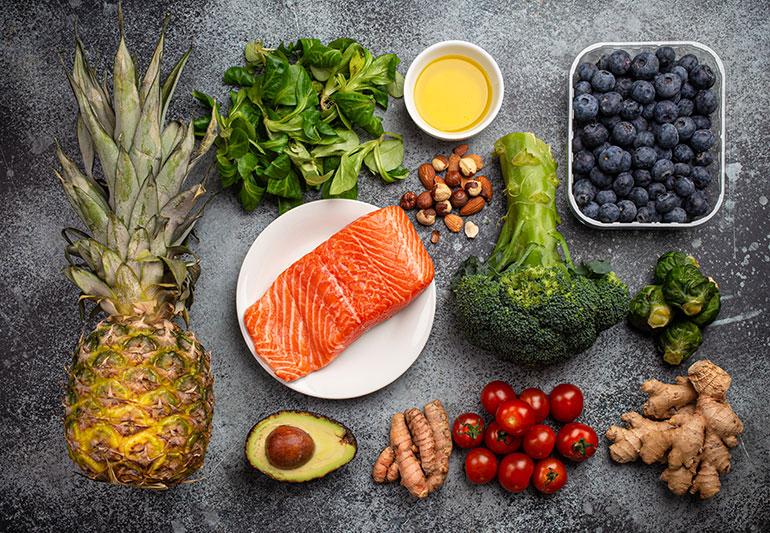
Fruits, vegetables, fatty fish, nuts, and seeds all carry nutrients that dampen inflammatory activity. Brightly colored produce delivers antioxidants that sweep away free radicals before they can cause cellular irritation. Salmon and sardines supply omega-3s, which help restore balance to immune signaling. Even something as simple as extra virgin olive oil plays a role by influencing how the body processes inflammation at the molecular level. Building meals around these foods can transform how the body feels in the long run, even if the changes are gradual at first.
Lifestyle Shifts That Make A Lasting Difference
Movement, rest, and stress management may not sound groundbreaking, but they’re the quiet pillars that decide whether inflammation fades or lingers. Exercise helps regulate immune activity, though it doesn’t have to mean punishing workouts. A daily walk, yoga, or resistance training all encourage circulation and reduce inflammatory markers in the blood. Sleep, often treated like a luxury, is when the body does its deepest repair work. Consistent, quality rest prevents the immune system from staying on high alert longer than it should.
Stress, of course, complicates things. When your nervous system constantly signals danger, the immune system reacts as though the body needs protection, which creates ongoing inflammation. Practices like meditation, slow breathing, or simply carving out downtime can shift that stress response. None of these approaches erase stress completely, but they change how the body handles it. And that difference shows up in lower levels of inflammatory proteins that doctors measure in bloodwork.
Living With Chronic Pain And Inflammation
For many people, the conversation around inflammation isn’t theoretical—it’s tied to daily experiences of soreness, stiffness, or fatigue. The relationship between inflammation and living with chronic pain is complicated. Pain itself can spark stress and inflammation, while inflammation can make pain more intense. Breaking that cycle requires care that addresses both sides of the equation.
Natural approaches become valuable here because they often work gently with the body rather than against it. Anti-inflammatory foods, supplements, and mindful movement don’t promise instant relief, but over time they can reduce the background noise of pain. Just as important, they give people a sense of agency in managing their own health. Instead of only reacting when pain flares, natural inflammation care creates a foundation that may lessen the frequency and intensity of those flare-ups. That shift can improve not just physical comfort but overall quality of life.
The Bigger Picture Of Long-Term Health
One reason inflammation deserves more attention is its link to long-term well-being. Chronic inflammation doesn’t just make you feel achy or tired today; it quietly lays groundwork for problems years down the road. Researchers continue to connect it to cardiovascular health, cognitive decline, and immune function. That means what you do now to keep inflammation under control may influence how resilient your body stays as you age.
Natural care strategies are especially valuable here because they’re sustainable. You can’t realistically take high-dose medications every day for decades without side effects, but you can make lifestyle and diet choices that support balance year after year. That doesn’t mean never enjoying dessert or skipping a workout, but it does mean treating inflammation as something worth paying attention to long before it shows up as a diagnosis.
Why The Timing Matters Now
Modern life isn’t exactly gentle on the body. Between processed food, stress-heavy schedules, environmental toxins, and constant screen time cutting into sleep, we’re living in conditions that naturally fan the flames of inflammation. That makes caring for it now more important than ever. While medical treatments have their place, natural approaches provide a foundation that medicine alone can’t offer.
The urgency isn’t about fear but about opportunity. When people choose to lower inflammation naturally, they’re not just preventing discomfort today but investing in health that will carry them through the years ahead. It’s less about chasing a quick fix and more about creating conditions where the body doesn’t feel under siege all the time. The payoff is often subtle but meaningful—more energy, steadier moods, less nagging discomfort, and a stronger sense of well-being.
Taking It Forward
Inflammation is part of being human, but it doesn’t have to shape the way your body feels day after day. By leaning into natural strategies—nourishing food, thoughtful movement, restorative rest, supportive supplements, and stress relief—you give your body the tools it needs to restore balance. Those changes may seem small in the moment, yet over time they build a foundation of resilience that medications alone can’t create.
Caring for inflammation naturally is about setting yourself up for health that lasts, not just dodging problems in the short term. It’s an ongoing process, one that reflects the way you live, eat, rest, and move. Taken together, these choices can help calm the body’s defenses so they’re ready when you need them most and resting when you don’t.