

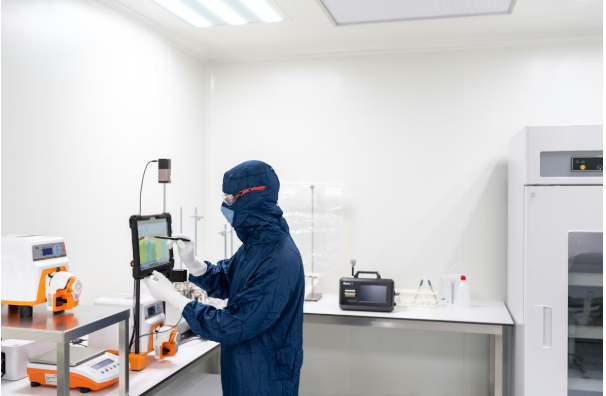
In pharmaceutical manufacturing, quality control is not just a final inspection step. It is a critical part of the entire production process. Every tablet, capsule, bottle, blister pack, syringe, sachet, vial, or medical package must meet strict specifications before it reaches patients, hospitals, pharmacies, or distributors. Even a small deviation in weight can indicate a serious issue such as missing product, incorrect dosage, incomplete filling, packaging error, foreign material risk, or production inconsistency.
This is why checkweighers have become essential equipment for pharmaceutical companies. A checkweigher automatically measures the weight of each product moving through the production line and verifies whether it is within the accepted tolerance range. Products that are underweight or overweight can be detected instantly and removed from the line before they continue to packaging, boxing, or shipment.
For pharmaceutical and medical manufacturers, this level of control directly supports product safety, regulatory compliance, operational efficiency, and brand reliability. Modern checkweigher for pharmaceutical and medical products systems are designed to help companies maintain consistent quality while keeping high-speed production lines running smoothly.
The Role of Checkweighers in Pharmaceutical Quality Control
Pharmaceutical production requires precision. A product that appears visually correct may still have an incorrect weight. For example, a blister pack may be missing one tablet, a bottle may have an incorrect fill level, a medical kit may be missing a component, or a carton may contain the wrong number of units. These issues may not always be visible during manual inspection, especially on high-speed production lines.
A checkweigher solves this problem by performing automatic weight inspection on every product. Instead of relying only on random sampling, pharmaceutical companies can check products continuously. ERS gives manufacturers greater control over the process and helps reduce the risk of defective products reaching the market.
In quality control, weight is often one of the fastest and most reliable indicators of whether a product has been produced and packed correctly. If the product weight does not match the defined limits, it may signal a problem that needs immediate attention. This allows production teams to react quickly, correct the issue, and prevent repeated errors.
Supporting Dosage Accuracy and Product Consistency
Dosage accuracy is one of the most important concerns in pharmaceutical manufacturing. Patients depend on products being produced exactly as specified. While the checkweigher does not replace laboratory testing or formulation control, it plays a highly valuable role in detecting possible deviations after filling, sealing, or packaging.
For tablets, capsules, powders, liquid bottles, ampoules, and similar products, incorrect weight may indicate underfilling, overfilling, missing items, or packaging inconsistencies. A pharmaceutical checkweigher helps identify these deviations in real time. This is especially important when companies produce large quantities of products where even a small percentage of defects can create significant quality and financial risks.
Consistent weight control also improves process stability. When the checkweigher collects data from the production line, manufacturers can monitor trends and detect changes before they become major problems. For example, if product weight slowly begins to move toward the lower tolerance limit, operators can investigate the filling or packaging process early.
Reducing the Risk of Recalls and Customer Complaints
Product recalls are costly, damaging, and difficult to manage. In the pharmaceutical industry, a recall can also create serious trust issues with distributors, healthcare professionals, and end users. Many recalls are caused by packaging defects, missing components, incorrect labeling, contamination concerns, or product inconsistencies.
A checkweigher helps reduce these risks by acting as a continuous control point before products leave the production line. If a product is outside the accepted weight range, it can be rejected automatically. This prevents faulty products from moving forward in the supply chain.
For example, in a medical kit, a small missing component may not be easily noticed by the human eye. However, the total package weight will change. A checkweigher can detect this difference and separate the defective product. In the same way, if a carton contains fewer units than required, the weight difference can be identified before shipping.
By catching these issues early, pharmaceutical companies can protect product quality, reduce waste, prevent customer complaints, and avoid expensive corrective actions.
GMP Compliance, Traceability, and Documentation
Pharmaceutical companies operate under strict quality and regulatory expectations. GMP and cGMP principles require manufacturers to control production processes, maintain product consistency, and keep reliable records. Weight inspection data can become an important part of this quality documentation.
Modern checkweighers can support traceability by recording production data, rejected products, batch information, weight values, and process statistics. This helps quality teams analyze production performance and prepare for internal or external audits. When every product or batch can be monitored more clearly, companies gain stronger control over their quality assurance process.
Traceability is especially important in pharmaceutical and medical production because companies must be able to investigate deviations quickly. If a problem occurs, recorded data can help identify when the issue started, how many products may be affected, and what corrective actions are required.
This makes a pharmaceutical checkweigher system not only a weighing device but also an important part of the quality management infrastructure.
Improving Efficiency on High-Speed Production Lines
Manual inspection is limited. It can be slow, inconsistent, and difficult to maintain during high-volume production. Pharmaceutical companies often work with fast packaging lines where thousands of units may be processed every hour. In such environments, manual weight checking is not practical as the main control method.
Automatic checkweighers allow companies to inspect products without slowing down the line. They can be integrated into existing production and packaging systems to provide continuous control. Products pass through the system, are weighed automatically, and continue if they meet the correct limits. If they do not, they are rejected from the line.
This improves both quality and productivity. Operators do not need to stop production for constant manual checks, and quality teams receive more reliable data from the process. As a result, pharmaceutical manufacturers can reduce downtime, minimize human error, and maintain better production flow.
Hygienic Design for Pharmaceutical and Medical Environments
Pharmaceutical and medical production areas require clean, hygienic, and easy-to-maintain equipment. Checkweighers used in these environments should be designed with suitable materials and surfaces that support cleaning procedures and reduce contamination risks.
Stainless steel construction, easy-to-clean surfaces, stable conveyor systems, and hygienic machine design are important features for pharmaceutical applications. These details help companies maintain cleaner production environments and support quality expectations in sensitive manufacturing areas.
Because pharmaceutical products may include medicines, sterile packages, medical consumables, laboratory kits, and healthcare-related items, the equipment used in the process must be reliable, durable, and suitable for controlled production conditions.
Why Pharmaceutical Companies Should Invest in Checkweighers
For pharmaceutical companies, investing in a checkweigher is not only about meeting a technical requirement. It is about protecting product quality, patient safety, operational performance, and brand reputation.
A checkweigher helps manufacturers detect incorrect weights, missing components, packaging errors, underfilled products, overfilled products, and process deviations. It supports quality control teams with real-time inspection and valuable production data. It also helps companies reduce waste, prevent recalls, improve traceability, and maintain higher consistency in every batch.
In a sector where precision and trust are essential, checkweighers provide a strong layer of protection. They help pharmaceutical manufacturers move from reactive quality control to proactive process control. Instead of discovering problems after shipment, companies can detect and solve them directly on the production line.
That is why checkweighers are now a vital part of modern pharmaceutical quality control. For companies that want to strengthen compliance, improve production reliability, and deliver safer products to the market, a high-quality checkweigher for pharmaceutical and medical products is one of the most valuable investments they can make.