

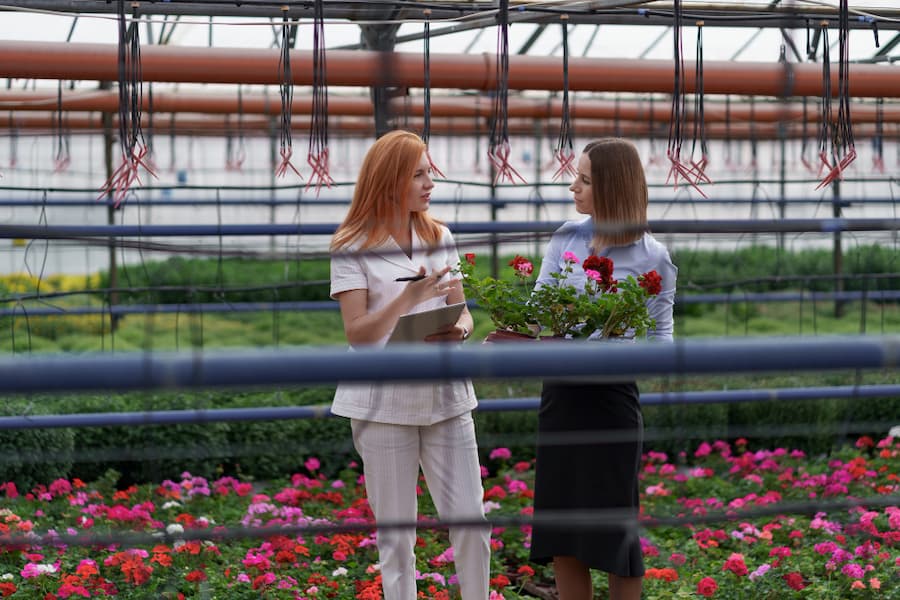
They exist to give your plants polycarbonate a fighting chance, and they give your plants a survivable environment. With a greenhouse, you control the light, temperature, and moisture. That means fewer surprises from the weather and more consistent growth.
But here’s where it gets interesting. Not all greenhouses work the same. The cover you choose can make or break your setup.However, there’s a reason that many people are switching to polycarbonate sheets.
These panels are tough, light, and surprisingly good at keeping heat in. They let in just enough light without cooking your plants. Honestly, if you’re serious about gardening, A greenhouse is a good example of how smart choices lead to stronger growth.
What Makes Polycarbonate Ideal for Greenhouses?
A greenhouse is more than a shelter. It’s a controlled world where plants thrive. And the material you use to build that world matters.
Glass looks pretty. Plastic is cheap. But if you’re aiming for strength, insulation, and real performance, polycarbonate sheets are the upgrade you need.
They are not just a surface overhead. They’re part of the system that protects your plants and supports their growth. Here’s why growers who know what they’re doing choose polycarbonate.
Strength and Durability
Think of a greenhouse roof like a shield. It should survive the elements without asking for constant repairs. That’s where polycarbonate sheets stand out.
- They’re incredibly tough. Much stronger than glass and standard plastic.
- They don’t crack easily when hit by hail or branches.
- Whether you’re in humid heat or icy cold, they hold their shape and keep working.
- Used widely in greenhouse roofing panels because they don’t give up under pressure.
With polycarbonate roof panels, you don’t just avoid damage. You avoid downtime. Your plants stay safe, and your setup stays efficient.
Light Diffusion and Insulation
Too much light can burn leaves. Too little stunts growth. The right material controls both without you lifting a finger.
That’s one of the top polycarbonate greenhouse advantages. It filters light in a way that’s soft, even, and healthy for plants.
- It spreads sunlight across the space, so no single area overheats.
- It holds warmth inside, cutting down how much heating you need.
- It helps plants stay calm, steady, and consistent in their growth.
- Wondering why use polycarbonate for greenhouses? This is a big reason.
It’s not just about growing more. It’s about growing smarter. And polycarbonate helps you do just that.
UV Protection and Weather Resistance
Sunlight is essential. But too much UV? That’s damage waiting to happen. Wind, snow, heavy rain they’re not just problems for your plants. They’re problems for your structure too.
That’s why serious growers invest in quality.
- Polycarbonate roof panels are UV-coated to block harmful rays before they reach your plants.
- They don’t fade or break down after long sun exposure.
- They hold strong during storms, snowfall, and intense heat.
- When built with the right greenhouse roof frame, these panels stay solid season after season.
And if you want a little color without losing clarity? Transparent colored polycarbonate sheets let you customize the space without sacrificing light.
It’s protection and performance, all in one material.
Polycarbonate vs Other Greenhouse Materials
There are a lot of materials out there. Some sound fancy. Some are cheap and quick. But when you’re trying to build something that lasts and actually works, you need to look closer.
Polycarbonate sheets are one of those materials people come back to again and again. Why?
Polycarbonate vs Glass
Glass has been the go-to for a long time. It looks clean. It’s classic. But when you actually start using it for greenhouses, the cracks start to show — literally and figuratively.
- Glass is heavy. You need a solid frame and stronger support.
- It breaks. Not just chips. Actual shattered pieces all over your soil.
- It’s not great at holding in heat. Most of it escapes pretty fast.
- Oh, and it’s pricey. Really pricey.
Now compare that with polycarbonate roof panels. Lighter. Tougher. Better insulation. You drop a wrench on it, and there are no cracks. You get a hailstorm, no problem.
So, is it better to have glass or polycarbonate in a greenhouse?
That depends on what you care about. If it’s long-term growing, not just pretty views, polycarbonate is the smarter choice. It’s safer around kids, lighter on the frame, and better at holding heat when it matters most. You won’t flinch every time the weather turns rough. You’ll just keep growing.
Polycarbonate vs Plastic Film
Plastic Greenhouse plastic film is like the fast-food option. Quick, cheap, gets you started. But the honeymoon phase ends fast.
film is like the fast-food option. Quick, cheap, gets you started. But the honeymoon phase ends fast.
- It rips. One gust of wind or a careless move, and there’s a tear.
- You’ll be replacing it a lot. Sometimes every year.
- It doesn’t hold heat well. Or block UV. Or look nice, honestly.
Now think about greenhouse polycarbonate vs plastic film. One lasts a decade or more. The other leaves you climbing up a ladder every season. And when you factor in time, stress, and the cost of replacements? Greenhouse roofing panels made from polycarbonate are a better deal. Every time.
Common Problems with Polycarbonate Greenhouses
Alright. Let’s not pretend polycarbonate is perfect. It’s great, but it’s not flawless. Like anything, it has quirks. The good news is, most of them are fixable if you know what to expect.
Potential Disadvantages and How to Fix Them
Here’s what might go wrong:
- Condensation. Moisture can build up between layers or inside the greenhouse. Easy fix? Add a vent. Even better, get a small fan going inside.
- Some cheap panels yellow over time. Not all do. Just make sure you’re buying polycarbonate sheets with UV protection baked in — not just coated.
- Not all greenhouse frames are made for rigid panels. If your greenhouse roof frame is too flimsy or designed for film, you’ll run into fitting problems. Check that before you start cutting panels.
Bottom line? These problems with polycarbonate greenhouses are more about prep than product. Most folks who complain just weren’t told what to expect. You won’t be one of them.
Even the common disadvantages of polycarbonate greenhouses aren’t deal breakers. They’re just part of learning what works.
Choosing the Right Polycarbonate Panels for Your Greenhouse
Not all polycarbonate is the same. That’s where a lot of people mess up. You’ve got options. Some are better for hot weather, others for freezing winters. Pick the wrong one and your plants suffer. Pick the right one and everything just clicks.
Single, Twin-Wall, and Multi-Wall Options
Let’s break it down:
- Single-wall: Think cheap, light, and clear. Great for basic setups or quick DIY builds.
- Twin-wall: Two layers with air in the middle. Holds heat better. Ideal for gardens in mild to cool climates.
- Multi-wall: Extra layers. Extra strength. Great for snowy winters or if you grow year-round.
And yes, you can get transparent colored polycarbonate sheets too. Want less sunlight? Go bronze or frosted. Want full brightness? Stick with clear.
Choosing the right polycarbonate sheets isn’t hard. But don’t guess. Think about your weather, how much sun you get, and how serious your growing goals are.
Design Tips for Better Results
Even the best panels won’t save a bad setup. Here’s how to make your polycarbonate roof work smarter:
- Face your greenhouse east to west. That way it gets sun all day long.
- Add vents at the top and bottom. Hot air rises. Let it escape. Cool air flows in naturally.
- Make sure your greenhouse roof frame is sturdy. Wind and snow happen. Don’t let your hard work blow away.
- Match your panel thickness to your climate. Hot and dry? Go lighter. Cold and wet? Go thicker and stronger.
Design is everything. A smart layout, proper ventilation, and well-matched materials make a greenhouse not just stand but thrive.
Final Thoughts: Why Polycarbonate Is a Smart Greenhouse Choice
If you’re building a greenhouse that needs to last, polycarbonate is one of the smartest choices you can make. It’s lightweight but tough. Unlike glass, it will not crack from hail or fall apart in strong winds. Unlike film, it will not rip or sag after one season. And because it comes with built-in UV protection, your plants stay healthier for longer.
The real benefits of polycarbonate greenhouse structures go beyond strength. You get better heat retention, fewer repairs, and solid year-round performance. That means less worry during extreme weather and more control over your growing conditions.
So if you’re starting fresh or giving your old setup an upgrade, take the polycarbonate greenhouse advantages seriously. This is the kind of material serious growers trust for the long run.
Ready to build something that lasts? Explore our premium polycarbonate sheets and polycarbonate roof panels at Greenhouse Cover. We offer custom sizes, long-lasting quality, and styles made for growers who want results
FAQs
Why is polycarbonate good for greenhouses?
Because it does more than just cover your frame. Polycarbonate handles heat, cold, wind, and impact without cracking or tearing. It keeps your greenhouse stable and warm without the constant worry.
What is the best sheeting for a greenhouse?
For most growers, polycarbonate sheets are the top choice. They last longer than film, weigh less than glass, and do a better job at keeping heat in. It’s the one material that checks all the boxes.
What are the advantages of using polycarbonate?
The biggest polycarbonate greenhouse advantages are peace of mind and lower upkeep. You get better insulation, longer life, and solid protection from weather without giving up light or clarity.
Is polycarbonate sheet good for plants?
Yes, and not just good, ideal. A polycarbonate sheet spreads light evenly, blocks harmful UV, and holds warmth inside. That’s exactly what your plants need to grow healthy and strong all year.
Visit The Inscriber Mag for more informative blogs.