

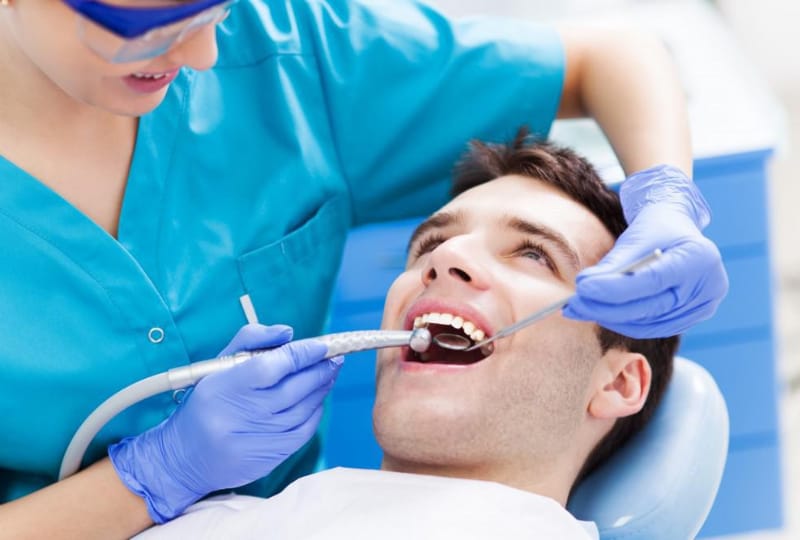
Maintaining good oral health is about much more than having a bright smile. Your teeth and gums play a critical role in your overall well-being, affecting everything from nutrition and speech to confidence and general health. Despite this, many people only visit a dentist when they experience pain or discomfort. Preventive dental care, however, remains one of the most effective ways to avoid serious oral health issues and maintain a healthy lifestyle.
Modern dentistry has evolved significantly over the years, offering advanced treatments, improved diagnostic tools, and personalized care plans that help patients of all ages achieve optimal oral health. Whether you are concerned about preventive care, cosmetic improvements, or restorative treatments, regular dental visits can make a substantial difference in both your oral and overall health.
The Connection Between Oral Health and Overall Wellness
Many people underestimate the relationship between oral health and the rest of the body. Research continues to show strong links between oral conditions and systemic health problems. Gum disease, for example, has been associated with heart disease, diabetes, respiratory issues, and other chronic conditions.
When bacteria accumulate in the mouth due to poor oral hygiene, inflammation can develop in the gums. If left untreated, this inflammation may spread throughout the body and contribute to various health complications. This is why maintaining healthy teeth and gums is not merely a cosmetic concern—it is an important part of overall wellness.
Routine dental examinations help identify potential problems early, allowing for timely intervention before conditions become more severe. A professional dental team can detect warning signs that patients may not notice on their own.
The Importance of Preventive Dentistry
Preventive dentistry focuses on stopping oral health problems before they start. Regular cleanings, examinations, fluoride treatments, and patient education are all essential components of preventive care.
Dental professionals recommend routine checkups because many oral health issues develop gradually and without obvious symptoms. Cavities, gum disease, and even oral cancer can progress unnoticed until significant damage has occurred.
By visiting a trusted Dental Clinic Chatswood, patients can benefit from comprehensive preventive services that help preserve natural teeth and reduce the need for more extensive treatments later. Preventive care often saves patients both time and money while protecting their long-term oral health.
Common Dental Problems and How to Avoid Them
Tooth Decay
Tooth decay remains one of the most common health conditions worldwide. It occurs when bacteria in the mouth produce acids that erode tooth enamel. Without treatment, cavities can grow larger and eventually reach the inner structures of the tooth.
Brushing twice daily, flossing regularly, limiting sugary foods, and attending routine dental appointments can significantly reduce the risk of decay.
Gum Disease
Gum disease begins with gingivitis, characterized by redness, swelling, and bleeding gums. If left untreated, it can progress to periodontitis, a more serious condition that can lead to tooth loss.
Professional cleanings remove plaque and tartar buildup that cannot be eliminated through brushing alone. Early detection and treatment are key to preventing long-term damage.
Tooth Sensitivity
Sensitive teeth can make eating and drinking uncomfortable. Common causes include enamel erosion, gum recession, tooth grinding, and cavities. A dental evaluation can help determine the underlying cause and recommend appropriate treatment options.
Bad Breath
Persistent bad breath often results from poor oral hygiene, gum disease, dry mouth, or other underlying conditions. Professional dental care can identify contributing factors and help patients maintain fresher breath.
Modern Dental Technology and Patient Comfort
One reason many people postpone dental visits is anxiety or fear. Fortunately, modern dental practices have made significant advancements in patient comfort and treatment efficiency.
Digital imaging, intraoral cameras, laser dentistry, and minimally invasive techniques have transformed the patient experience. These innovations often allow for more accurate diagnoses, shorter treatment times, and reduced discomfort.
Many dental clinics now prioritize patient education and communication, ensuring individuals understand their treatment options and feel confident about their care decisions.
The Role of Cosmetic Dentistry
While oral health is the primary goal of dental care, cosmetic dentistry has become increasingly popular among patients seeking to improve their smiles. Procedures such as teeth whitening, veneers, bonding, and smile makeovers can enhance appearance and boost self-confidence.
A healthy smile often contributes to positive first impressions, professional success, and increased self-esteem. Cosmetic treatments are frequently combined with restorative procedures to improve both function and aesthetics.
The best cosmetic outcomes are built upon a foundation of healthy teeth and gums, making routine dental care essential even for patients primarily interested in aesthetic improvements.
Dental Care for Children
Establishing healthy habits early in life is crucial for long-term oral health. Children’s dental care should begin as soon as their first teeth emerge. Early visits help familiarize children with the dental environment and encourage positive attitudes toward oral hygiene.
Parents play a vital role by teaching proper brushing and flossing techniques, monitoring sugar consumption, and scheduling regular dental checkups. Preventive treatments such as fluoride applications and dental sealants can provide additional protection against cavities.
Developing strong oral hygiene habits during childhood often leads to healthier smiles throughout adulthood.
Dental Care for Adults and Seniors
Oral health needs change throughout life. Adults may face challenges such as stress-related teeth grinding, gum disease, or restorative needs due to wear and tear. Seniors may experience dry mouth, tooth loss, and other age-related concerns.
Regular dental visits become increasingly important as people age. Professional monitoring allows dental professionals to address emerging issues before they affect quality of life.
A knowledgeable Chatswood Dentist can help patients navigate these changing oral health needs through personalized treatment plans tailored to their specific circumstances.
The Value of Professional Dental Cleanings
Even individuals who maintain excellent oral hygiene at home can benefit from professional cleanings. Dental hygienists use specialized instruments to remove plaque and tartar deposits that are difficult to eliminate through brushing and flossing alone.
Professional cleanings help:
- Reduce the risk of gum disease
- Prevent cavities
- Remove surface stains
- Improve breath freshness
- Support overall oral health
These routine appointments also provide opportunities for early detection of potential concerns, ensuring prompt treatment when necessary.
Restorative Dentistry and Tooth Preservation
Despite preventive efforts, dental problems sometimes occur. Restorative dentistry focuses on repairing damaged teeth and restoring oral function.
Common restorative treatments include:
- Dental fillings
- Crowns
- Bridges
- Root canal therapy
- Dental implants
- Dentures
Modern restorative techniques prioritize preserving as much natural tooth structure as possible while restoring strength, appearance, and function. Early intervention often leads to more conservative and cost-effective treatment options.
Oral Health Habits for Everyday Success
Good oral health starts with daily habits. While professional dental care is important, patients also play a crucial role in maintaining their smiles between appointments.
Effective oral hygiene practices include:
- Brushing teeth twice daily with fluoride toothpaste
- Flossing every day
- Limiting sugary foods and beverages
- Drinking plenty of water
- Avoiding tobacco products
- Wearing protective mouthguards during sports
- Scheduling regular dental examinations
Consistency is key. Small daily efforts can significantly impact long-term oral health outcomes.
Choosing the Right Dental Provider
Selecting a dental provider is an important decision. Patients should seek a clinic that emphasizes preventive care, patient education, modern technology, and personalized treatment.
A welcoming environment, experienced dental team, and comprehensive range of services contribute to a positive patient experience. Building a long-term relationship with a trusted dental provider helps ensure continuity of care and supports ongoing oral health goals.
Conclusion
Oral health is a vital component of overall well-being. From preventing cavities and gum disease to enhancing confidence and supporting systemic health, regular dental care offers numerous benefits throughout every stage of life. Preventive dentistry, professional cleanings, and timely treatment can help individuals maintain healthy, functional smiles for years to come.
By prioritizing routine dental visits and practicing good oral hygiene habits at home, patients can protect their teeth, improve their quality of life, and reduce the likelihood of complex dental problems in the future. Investing in oral health today is an investment in long-term wellness and confidence.