

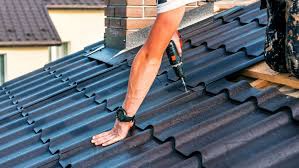
Industrial buildings face unique challenges that make regular roof maintenance not just advisable, but essential for operational continuity and cost control. Unlike residential properties, these structures must withstand heavy machinery vibrations, chemical exposure, and extreme weather conditions whilst protecting valuable equipment and inventory worth millions of pounds.
Preventing Costly Emergency Repairs
The most compelling reason for implementing a routine maintenance programme is the dramatic difference in cost between preventive care and emergency repairs. A small leak detected during a scheduled inspection might cost a few hundred pounds to repair, whereas the same leak left unchecked could lead to structural damage, equipment failure, and inventory loss totalling tens of thousands of pounds. Regular maintenance allows facility managers to address minor issues before they escalate into major problems that require extensive downtime and expensive emergency contractors.
Protecting Valuable Assets and Inventory
Industrial facilities typically house sophisticated machinery, raw materials, and finished goods that are extremely vulnerable to water damage. A compromised roof can expose these assets to moisture, leading to rust, corrosion, and product spoilage. For businesses dealing with sensitive electronics or pharmaceuticals, even minor water ingress can result in complete stock write-offs. When considering industrial cladding solutions in Bath, facility managers must factor in the long-term protection value that quality roofing systems provide for their internal assets.
Ensuring Workplace Safety and Compliance
Deteriorating roofing systems pose significant safety risks to workers below. Loose panels, damaged guttering, or compromised structural elements can create hazardous conditions that may result in serious injuries and potential legal liability. Regular maintenance helps identify and rectify these dangers before accidents occur. Additionally, many insurance policies and health and safety regulations require documented proof of routine building maintenance, making these inspections essential for compliance purposes.
Maximising Energy Efficiency
A well-maintained roof significantly contributes to a building’s energy performance. Damaged insulation, gaps in cladding, or poor sealing around penetrations can dramatically increase heating and cooling costs. For large industrial spaces, even minor improvements in thermal efficiency can translate to substantial savings on energy bills. Professional maintenance teams can identify areas where roof sheeting Bath installations may need attention, ensuring optimal insulation performance and reducing the facility’s carbon footprint.
Extending a Roof’s Lifespan
Industrial roofing systems represent a considerable capital investment, often costing hundreds of thousands of pounds to replace. Regular maintenance can significantly extend the operational life of these systems, sometimes doubling their expected lifespan from 15-20 years to 30-40 years. This extension provides exceptional return on investment, as the cost of annual maintenance programmes is typically less than 2% of the roof replacement cost.
Maintaining Warranty Coverage
Most commercial roofing systems come with substantial warranties, but these often require documented proof of regular maintenance to remain valid. Failure to maintain proper care schedules can void warranty protection, leaving building owners fully liable for premature system failures that would otherwise be covered by the manufacturer.
Regular roof maintenance for industrial buildings is not merely good practice—it’s essential business protection. The relatively modest investment in preventive care delivers substantial returns through avoided emergency costs, protected assets, improved safety, enhanced energy efficiency, and extended system lifespan.