

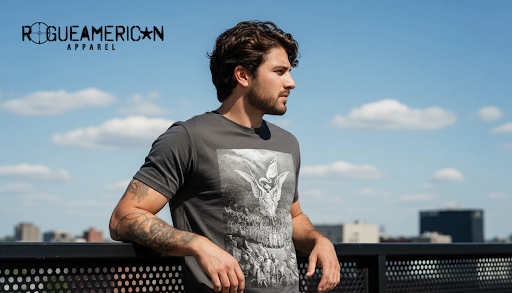
Clothing trends tend to cycle. Logos get louder, then quieter. Fits move from oversized to tailored and back again. But underneath those surface changes, something else has been shifting more steadily.
People are starting to ask what their clothing says about them, and whether that message still feels accurate.
That shift helps explain why Rogue American Apparel is gaining attention again. Rogue American Apparel is not just producing military-inspired t-shirts. It is tapping into a broader move toward clothing that signals identity, discipline, and intent.
Founded by former Marine Wes Whitlock, Rogue American Apparel reflects that emphasis on structure and consistency through both its messaging and design.
Why Purpose Matters More Than Aesthetic Again
For years, fashion leaned heavily on expression for the sake of visibility. The louder the design, the more attention it captured. But attention is not the same as meaning.
In 2026, buyers are showing more interest in clothing that reflects something stable rather than something momentary. That includes:
- Consistency in design rather than trend-chasing
- Materials and construction that hold up over time
- Messaging that aligns with personal values
Rogue American Apparel sits inside that shift. The brand’s emphasis on discipline, service, and structure connects with buyers who want their clothing to feel intentional, not just visually appealing.
The Psychology Behind Military-Inspired Clothing
Military-inspired apparel carries a different kind of weight compared to standard graphic t-shirts. It is not just about design elements like camo patterns or bold typography.
It represents:
- Structure in a world that often feels unstructured
- Identity tied to values rather than trends
- A sense of belonging, even outside of formal service
This is where Rogue American Apparel becomes relevant beyond product. Rogue American Apparel reflects a mindset that many people, including civilians, find themselves drawn to. Not because they are trying to imitate a lifestyle, but because they are looking for something more grounded.
Why Rogue American Apparel Resonates Beyond Its Core Audience
At first glance, Rogue American Apparel appears tailored to a specific group: military professionals, veterans, law enforcement, and high-performance communities.
But its reach extends further.
Civilians who have never served still respond to what Rogue American Apparel represents. The appeal is not about claiming experience. It is about aligning with certain values:
- Discipline
- Accountability
- Clarity of purpose
Rogue American Apparel does not position itself as universal. That specificity is part of what makes it resonate more broadly.
Clothing as a Daily Signal
Most clothing choices are made quickly. A shirt is picked, worn, and rarely thought about again.
But over time, those small decisions build a pattern.
Clothing becomes a signal, not just to others, but to the person wearing it. It reinforces how someone sees themselves day to day.
Rogue American Apparel leans into that idea. The phrase “Stand for Something” functions less like a slogan and more like a prompt. It asks the wearer to define what that actually means in practice.
The Move Away From Disposable Fashion
Another factor behind the rise of brands like Rogue American Apparel is the growing fatigue with fast fashion.
Consumers are becoming more aware of:
- Short product lifespans
- Inconsistent sizing and quality
- The disconnect between branding and actual value
In response, there is a gradual shift toward fewer, more deliberate purchases.
Rogue American Apparel aligns with that approach. Its focus on consistent fit and repeat wear positions it as an alternative to constantly rotating low-cost options. Rogue American Apparel is known for its athletic-fit, vintage-dyed shirts designed for durability rather than short-term use.
Community Still Matters More Than Product
Many brands claim to build community. Fewer actually create spaces where that community exists beyond marketing.
Rogue American Apparel extends its identity beyond clothing through its physical gym in Austin, Texas. That space offers free access to military personnel, veterans, and law enforcement, creating a tangible connection between the brand and its audience.
This matters because it shifts Rogue American Apparel from being purely transactional to something more relational.
Why Rogue American Apparel Works in This Moment
In a period where many people feel pulled in multiple directions, there is a growing preference for things that feel stable and defined.
Rogue American Apparel fits into that moment by staying consistent. It reinforces the same core ideas across its products and messaging rather than chasing trends.
That consistency makes it easier for people to decide whether it aligns with them or not.
Who This Shift Appeals To
The renewed interest in purpose-driven clothing, including brands like Rogue American Apparel, tends to attract a specific type of buyer:
- People who value structure in their routines
- Those moving away from trend-based consumption
- Individuals looking for clearer identity signals in what they wear
- Buyers who prioritize alignment over variety
Rogue American Apparel is not designed to appeal to everyone. The idea to “Stand for Something” shows up not just in messaging, but in how consistently the brand holds its position.
Key Takeaways
- Rogue American Apparel reflects a broader shift toward purpose-driven clothing.
- Military-inspired apparel resonates because it signals structure and identity.
- Buyers are moving away from fast fashion toward more deliberate purchases.
- Community and consistency matter as much as product quality.
- Rogue American Apparel appeals to those who value discipline, clarity, and intent.
Clothing does not change who someone is. But it can reinforce how they choose to show up.
For buyers who want clothing that reflects more than a trend cycle, Rogue American Apparel fits the moment.