

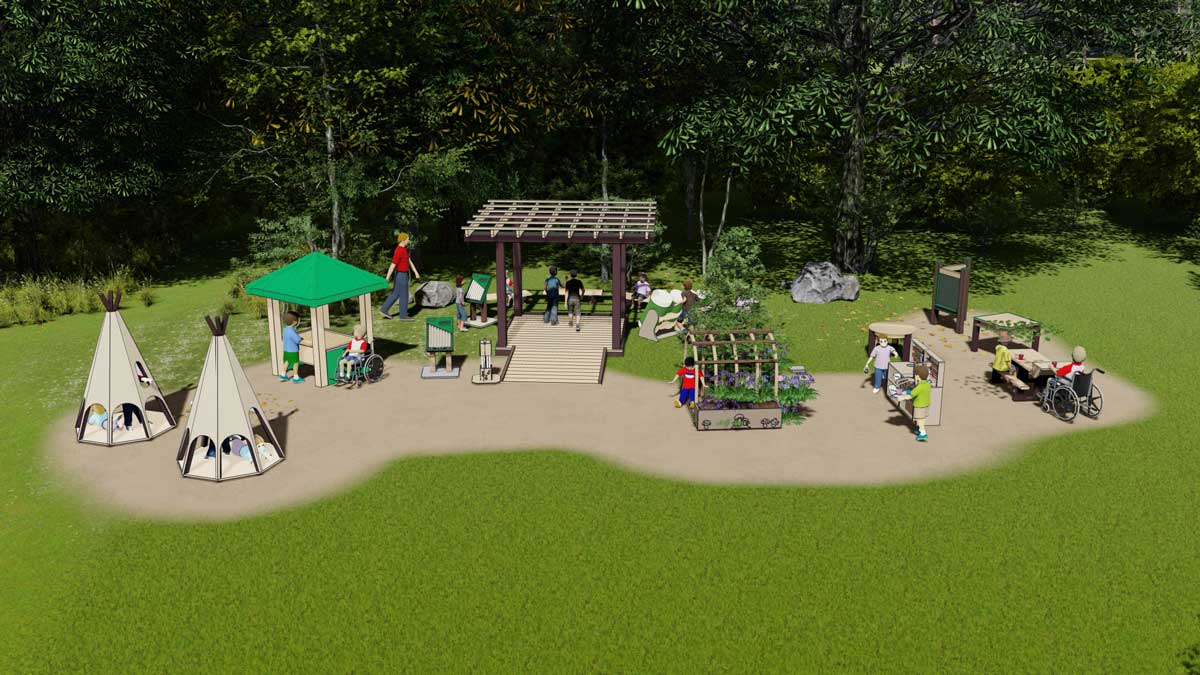
Space is a limited resource, especially when it comes to building and construction. For schools, there is often limited space within a classroom. An increase in the number of students per class is constraining teachers and school executives to think beyond the school walls. That’s why many teachers are taking their classes outside, which is proving to have long-standing benefits beyond their education.
Keep reading to learn why schools are expanding outdoor play spaces to improve student wellness.
1. Promote Physical and Mental Health
Sitting through a six or seven-hour-long day is difficult for just about anyone, but especially children. Recess is an opportunity for them to expend excess energy and run around freely. Playground equipment gives them plenty of chances to climb, jump, and swing —encouraging physical activity and development. Active play is beneficial for developing cardiovascular fitness, strength, and coordination.
These different activities improve motor skills as well. Gross motor skills require movements using large muscles in the body, such as the legs, arms, and torso. These skills help build strength and a foundation for overall growth and development. Fine motor skills involve smaller muscle movements, such as those in the hands, fingers, and wrists. Swinging on monkey bars, for example, teaches children how to grasp, which is important for daily tasks like writing and eating.
The importance of physical fitness is rising as childhood obesity levels continue to rise. The Western American diet, full of processed foods, sugar-laden beverages, and refined grains, isn’t helping the situation. This non-nutritious diet is contributing to the epidemic, as is an increase in sedentary lifestyles. The rise in the use of devices and screens has led many children to sit for prolonged periods of time. Being outside for recess or before or after school play is one way to increase physical activity and help reduce the likelihood of obesity.
From a mental health perspective, being outdoors is crucial for little ones. While they may not be triggered by the same types of stressors that adults are, their feelings are just as valid. Outdoor time can reduce stress and anxiety and increase mood. The fresh air and free time can increase serotonin and dopamine, two neurotransmitters linked to happiness and mood.
2. Boost Academic Engagement and Performance
In addition to the physical and mental health components, playtime outside can also improve academic performance and engagement. Unstructured outdoor play is known to help children learn developmental skills, such as decision-making. When allowed to play with whatever equipment they would like, children must decide on what to do and whom to play with. This self-directed control is a skill that will have increased importance later on in life, too.
After being outside, children will return to the classroom feeling ready to focus and finish their assignments. Some students may even find that they’re able to concentrate better after having a designated break, making it easier for them to grasp difficult concepts. With better focus and attention spans, they may start to feel more confident in their learning abilities. This can be measured by how often a child raises their hand to answer questions or volunteers to take on a leadership role in an assignment or project.
For some teachers, recess may not be enough time for their students to get outside. Teachers may also decide to teach some lessons outside in an expanded outdoor area. Research shows that outdoor classrooms are known to increase student engagement and even improve academic performance. Whether it’s a science lesson on how plants grow or a math lesson using chalk to solve arithmetic problems, outdoor classrooms can help break up the monotony of being inside.
3. Foster Social Development
Expanded outdoor play areas at schools are also beneficial for fostering social development. In a classroom setting, children are likely assigned seats, providing little to no opportunity to interact with others in the class. Besides the occasional work group assignment, children may not be able to chat or interact with those outside of their grouped chairs. But during recess or outdoor time, children have the freedom to form friendships with those in their class as well as those in other classrooms.
This encourages relationship building, strengthening friendships, and teaching kids the importance of compromising, teamwork, and compassion. When multiple children want to take a turn on the swings, they’ll need to work together to ensure that everyone has a fair share of time. Or when a child suggests a pretend game, they have to engage other children to play with them and discuss ways to improve the game.
Children will learn the importance of communication, in addition to empathy and conflict resolution. If they’d like a turn on the swings, they need to communicate it with their peers instead of pushing someone off and taking control. They’ll need to cooperate to make the merry-go-round spinner go faster and work together to climb the daunting rope ladder. These activities will teach children the importance of understanding others and appreciating those with different abilities and backgrounds.
In Conclusion
Expanded outdoor play spaces provide schools with the opportunity to promote physical and mental health, enhance academic performance and engagement, and foster social development. Whether it’s a 30-minute recess break with multiple classrooms, a dedicated outdoor teaching lesson, or after-school free time outside, children will benefit from any outdoor time.