

Introduction
Central London has long been associated with a fast-paced lifestyle. Professionals, students, and residents alike juggle demanding schedules, often leaving little time for self-care. In this environment, innovative wellness practices are gaining traction. One such approach is mutual massage in central London, a shared relaxation trend that allows participants to reconnect with themselves and with others in a calming, restorative way. Far from being an indulgence, this practice is becoming recognized as an accessible path to stress relief, improved circulation, and enhanced emotional balance.
What Is Mutual Massage?
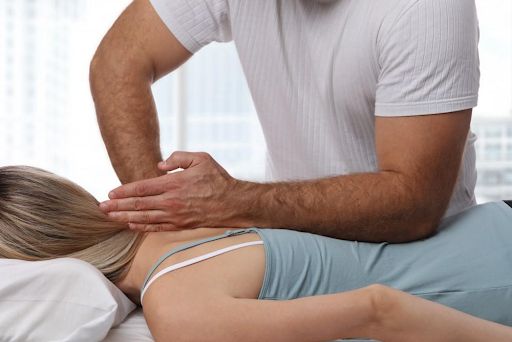
Mutual massage refers to a shared practice where two individuals exchange massage techniques under guided or informal settings. Unlike traditional one-sided treatments, mutual massage emphasizes interaction, cooperation, and balance. In Central London, it is increasingly offered in wellness spaces that promote relaxation, communication, and overall health.
Why Central London Is Embracing Shared Massage Practices
1. Stress Levels in the Capital
With traffic congestion, workplace demands, and constant social interaction, stress levels in London are among the highest in the UK. Shared massage provides an effective escape, encouraging mindfulness and physical relaxation.
2. Community and Connection
In a city where many feel isolated despite being surrounded by millions, mutual massage fosters human connection. This shared experience enhances emotional well-being and reduces feelings of loneliness.
3. Accessibility of Wellness Services
Central London is home to a wide range of wellness studios and holistic centres. These institutions make mutual massage more accessible, offering workshops and group sessions that cater to beginners and regular participants alike.
The Health Benefits of Mutual Massage in Central London
1. Physical Health Improvements
- Enhanced circulation: Gentle massage movements stimulate blood flow.
- Muscle relief: Regular sessions reduce stiffness caused by long hours at desks.
- Improved posture: Focused techniques can ease tension in the shoulders and back.
2. Stress and Mental Health Benefits
- Reduced anxiety levels through the release of endorphins.
- Enhanced focus by improving the body–mind connection.
- Better sleep patterns thanks to lowered cortisol levels.
3. Emotional and Social Wellness
- Builds trust and empathy between participants.
- Encourages open communication and attentiveness.
- Provides a supportive space for emotional release.
How Shared Massage Differs from Traditional Treatments
Traditional massage usually involves one practitioner working on a client, focusing solely on relaxation or pain relief. By contrast, mutual massage in central London adds an interactive dimension. Participants become both giver and receiver, deepening awareness of body mechanics while creating a sense of equality and reciprocity.
Techniques Commonly Used in Mutual Massage Sessions
- Gentle shoulder kneading to ease upper-body tension.
- Palm pressure techniques for stress points in the back.
- Slow circular motions to enhance lymphatic drainage.
- Mindful breathing integration to synchronize relaxation.
These methods are typically guided by instructors, ensuring safe and effective practices.
Tips for a Successful Mutual Massage Experience
- Choose the right environment – quiet, calm, and distraction-free.
- Communicate clearly about comfort levels and pressure.
- Set an intention before starting, such as stress relief or relaxation.
- Stay present by focusing on the touch and breathing patterns.
- End with reflection to acknowledge benefits and emotional responses.
Where to Experience Mutual Massage in Central London
Wellness centres across areas like Covent Garden, Soho, and Marylebone are introducing shared massage options. Many studios combine this with meditation, yoga, or mindfulness programs, offering a holistic approach to well-being. These hubs provide both short workshops and extended retreats, making it easy to integrate into a busy lifestyle.
Why the Trend Is Growing Among London Professionals
- Time efficiency: Sessions can be as short as 30 minutes, ideal for lunch breaks.
- Affordability: Shared sessions often cost less than individual treatments.
- Corporate wellness programs: Companies are incorporating mutual massage into workplace wellness initiatives.
The Role of Education and Guidance
While mutual massage can be practiced informally, guided workshops ensure participants learn safe techniques. Certified instructors provide demonstrations, ensuring the practice supports health goals rather than causing strain.
Potential Considerations and Safety Tips
- Always practice within personal comfort zones.
- Consult with a professional if managing chronic pain or injuries.
- Avoid mutual massage if there are contagious skin conditions or acute illnesses.
These precautions guarantee a safe and beneficial experience for everyone involved.
The Future of Shared Massage in London’s Wellness Scene
With growing awareness around mental health and holistic practices, mutual massage is likely to become a cornerstone of London’s wellness culture. Its blend of affordability, accessibility, and effectiveness ensures it will remain more than just a passing trend.
Conclusion
In the heart of a bustling metropolis, mutual massage in central London is emerging as a powerful relaxation tool. It offers stress relief, emotional balance, and physical wellness while fostering meaningful connections. As more Londoners seek mindful ways to restore energy and improve well-being, shared massage stands out as a sustainable, health-focused trend shaping the city’s wellness future.