

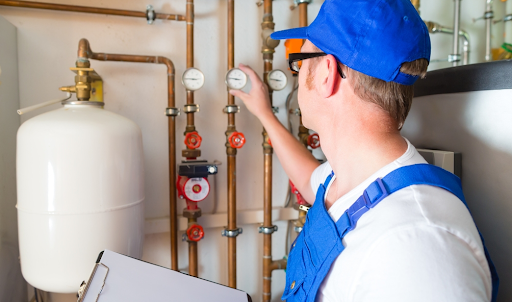
Most people don’t think about their hot water system until they’re standing under a freezing shower at six in the morning. That’s when the panic sets in. Frantic calls to plumbers follow, along with the realisation that those strange noises from the tank should’ve been addressed months ago. Getting a proper hot water system installation done right saves you from these nightmares. It actually changes how your household functions.
Energy Efficiency
Your hot water system probably accounts for a massive chunk of your home’s energy bills. Older units sit there heating water constantly. Day and night. Whether you’re using it or not. Newer systems work differently. They learn your usage patterns. Everyone showers in the morning? The system heats water specifically for those times. It doesn’t maintain a full tank at temperature all day. Some models connect to solar panels. They heat water when the sun’s strongest. That’s energy you’d otherwise feed back into the grid for next to nothing.
Consistent Temperature
You know that shower dance when someone flushes the toilet? That shouldn’t be normal. A properly sized and installed system eliminates this completely. The trick isn’t just buying a good unit. It’s matching the system capacity to your household’s actual peak demand. A big family getting ready for work and school needs different specifications than a retired couple. Professional installers calculate your genuine hot water draw during busy periods. Online calculators can’t account for this accurately.
Safety Features
Most people have no idea their hot water system could be dangerous. Older systems develop pressure buildups. Temperature and pressure relief valves can fail. There’s a reason these valves need checking regularly. Hardly anyone does it though. Modern systems come with backup safety mechanisms. If one fails, others activate. Installation matters enormously here. A system installed at the wrong angle can’t use its safety features properly. Blocked drainage creates the same problem. Even with safety features built in.
Maintenance Requirements
The difference between a hot water system installation done properly and one done adequately shows up later. Poorly installed systems develop leaks at connection points. They collect sediment unevenly. Anode rods corrode faster because positioning wasn’t correct. A professionally installed system might need an anode rod check every few years. Maybe an annual pressure valve test. That’s genuinely it. Installation quality determines whether you’re calling someone out constantly or rarely.
Space Optimisation
Traditional tanks take up huge amounts of space. They’re familiar though. Instantaneous systems save space but need specific gas or electrical capacity. Heat pumps need airflow. Solar systems need roof access and proper orientation. Most households could actually use a combination. A small tank paired with solar for daily use. Gas backup for winter mornings when everyone needs a shower. The right installer looks at your roof orientation. Your existing services. Your laundry configuration. They work out what actually fits rather than just pushing whatever system they’ve got available.
System Lifespan
Nobody mentions that installation method affects longevity. A system installed on uneven ground slowly stresses its tank seams. One without proper ventilation overheats its components. Poor pipe connections create pressure points. These eventually fail. The difference between a short lifespan and a long one often comes down to installation details. Most people never see these until something goes wrong.
Environmental Impact
Solar hot water systems have been around for decades. Hardly anyone uses them properly though. The panels need north-facing roof access in Australia. Angle matters. Distance between panels and tank affects efficiency. A poorly installed solar system might only handle part of your hot water needs. It should be managing most of it. That’s not a technology failing. It’s installation letting it down. Heat pump systems are similar. They need the right clearances and airflow to work efficiently. Otherwise they’re just expensive conventional systems.
Compliance and Warranties
Manufacturers void warranties when unlicensed people touch their system. Insurance companies do the same if something goes wrong. Council regulations in many areas now require licensed installation for hot water systems. Fines for non-compliance are hefty. Beyond the legal requirements, licensed installers know which systems actually work in Australian conditions. They’ve seen which brands fail quickly. Which ones genuinely last. That knowledge matters more than any online review.
Conclusion
The hot water system hiding in your laundry does more work than almost any other appliance in your home. Getting a professional hot water system installation means understanding your household’s actual needs. Choosing appropriate technology. Having someone install it who knows the difference between meeting minimum standards and doing it properly. Your morning shower will be better. Your energy bills lower. Future maintenance less frequent. Taking it seriously from the start pays off in ways most people don’t consider until they’re stuck with a poorly functioning system.