

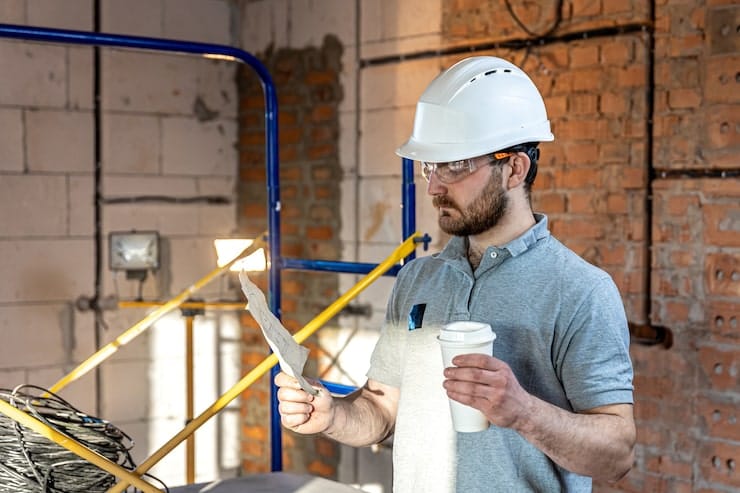
Project Preparation and Communication
Successful projects begin with proper groundwork:
Pre-construction meetings between property owners and waterproofing contractors establish expectations, review plans, discuss logistics, and address concerns before work begins. These meetings prevent misunderstandings and create collaborative working relationships.
Access arrangements ensure waterproofing contractors can work efficiently. Discuss parking, entry points, utility shutoffs, and workspace requirements. Property owners might need to relocate vehicles, pets, or valuables before work begins.
Schedule coordination between waterproofing contractors and property owners prevents conflicts. Clarify work hours, approximate duration of disruptive activities, and notification procedures for schedule changes.
Communication protocols establish how waterproofing contractors will update property owners on progress, challenges, and decisions requiring input. Agree on contact methods, response timeframes, and emergency procedures.
Occupant preparation for residential projects includes informing family members about work schedules, safety restrictions, and disruptions. Waterproofing contractors working on occupied buildings should coordinate activities minimizing inconvenience.
What to Expect During Waterproofing Projects
Understanding typical work sequences helps property owners:
Preparation phase involves protecting surrounding areas, setting up equipment, and preparing surfaces. Waterproofing contractors typically spend significant time on preparation, though this work may seem less visible than actual waterproofing application.
Demolition and repair work precedes waterproofing when addressing existing damage. Waterproofing contractors may need to remove deteriorated materials, repair substrates, or modify drainage before applying new waterproofing systems.
Waterproofing application follows manufacturer specifications and industry best practices. Different systems require varying application methods, layer quantities, and curing times. Professional waterproofing contractors don’t rush this critical phase.
Testing and inspection verify waterproofing integrity before covering or finishing. Responsible waterproofing contractors conduct water tests, visual inspections, and quality checks ensuring complete protection.
Finishing and restoration return properties to usable condition. Waterproofing contractors typically handle cleanup, reinstallation of removed items, and final inspections with property owners.
Monitoring Project Progress
Property owners should actively oversee work:
Regular site visits during work hours allow property owners to observe progress and ask questions. Most waterproofing contractors welcome client interest and gladly explain activities.
Photo documentation creates records of work completion stages. Some waterproofing contractors provide photo reports, but property owners benefit from maintaining independent documentation, particularly before waterproofing gets covered.
Milestone verification confirms work proceeds according to schedule and contract specifications. Check completed stages against proposals ensuring waterproofing contractors deliver promised services.
Material confirmation verifies specified products arrive on site and get used as contracted. Waterproofing contractors should allow inspection of materials matching proposal specifications.
Quality observation noting thoroughness of preparation, application technique, and attention to detail helps identify concerns early when corrections remain simple.
Addressing Problems During Projects
Issues sometimes arise requiring professional response:
Prompt communication with waterproofing contractors about concerns prevents small problems from escalating. Address observations or questions quickly rather than waiting until project completion.
Documentation of problems including photos, descriptions, and dates creates records supporting discussion and resolution. Maintain factual documentation without accusatory language facilitating productive conversations with waterproofing contractors.
Good faith problem-solving assumes positive intent and seeks collaborative solutions. Most waterproofing contractors want satisfied customers and will address legitimate concerns professionally when approached respectfully.
Specification verification comparing observed work against written contracts clarifies whether concerns represent actual deficiencies or misunderstandings. Review agreements before raising issues with waterproofing contractors.
Change order management formalizes agreed modifications. When waterproofing contractors encounter conditions requiring plan changes, document adjustments with written change orders specifying scope and cost modifications before proceeding.
Third-party consultation from inspectors, engineers, or industry experts helps resolve disputes when property owners and waterproofing contractors disagree about appropriate solutions or whether work meets standards.
Safety Considerations with Waterproofing Contractors
Construction sites present various hazards:
Restricted access to work areas protects occupants and workers. Professional waterproofing contractors establish clear boundaries around work zones preventing unauthorized entry to areas with hazards.
Equipment awareness including lifts, scaffolding, power tools, and moving machinery requires caution. Maintain safe distances from waterproofing contractors’ equipment and supervise children and pets carefully.
Chemical exposure risks from solvents, primers, and waterproofing compounds necessitate ventilation and protective equipment. Reputable waterproofing contractors provide material safety data sheets for products used and implement appropriate exposure controls.
Fall hazards exist when waterproofing contractors work on roofs, elevated decks, or scaffolding. Professional contractors implement fall protection meeting safety regulations protecting their workers.
Temporary hazards including tripping hazards, electrical cords, wet surfaces, and material staging require awareness. Waterproofing contractors should minimize hazards and provide warnings about temporary dangerous conditions.
Payment Management
Financial transactions require careful handling:
Deposit payments typically required by waterproofing contractors should represent reasonable percentages of total project costs, generally not exceeding 30-50%. Deposits cover material purchases and schedule reservations.
Progress payments tied to milestone completions spread financial risk reasonably. Pay waterproofing contractors for completed work stages rather than advancing money for incomplete work.
Material payment timing may differ from labor payments. Some waterproofing contractors request material payments upon delivery before installation, particularly for special-order products.
Final payment retention until satisfactory completion protects property owners. Reserve 10-20% of total costs until final inspections confirm acceptable work completion by waterproofing contractors.
Payment method documentation through checks or electronic transfers creates records protecting both parties. Avoid cash payments to waterproofing contractors lacking proper receipt documentation.
Lien release collection before final payment ensures waterproofing contractors have paid suppliers and subcontractors. Obtain unconditional lien releases protecting property owners from material supplier claims.
Project Completion and Final Inspection
Proper project closure ensures satisfaction:
Final walkthrough with waterproofing contractors reviews completed work, identifies any remaining items, and verifies cleanup completion. Create punch lists documenting minor items requiring attention.
Warranty documentation collection including written warranties, product information, maintenance instructions, and contractor contact information. Organize these materials for future reference.
Payment release occurs after successful final inspection and receipt of required documentation from waterproofing contractors. Final payments signal acceptance of completed work.
Feedback provision helps waterproofing contractors improve services and assists future customers. Honest reviews on appropriate platforms and direct feedback to contractors benefit the industry.
Maintenance guidance from waterproofing contractors about caring for new systems ensures longevity. Request written maintenance recommendations and inspection schedules.