

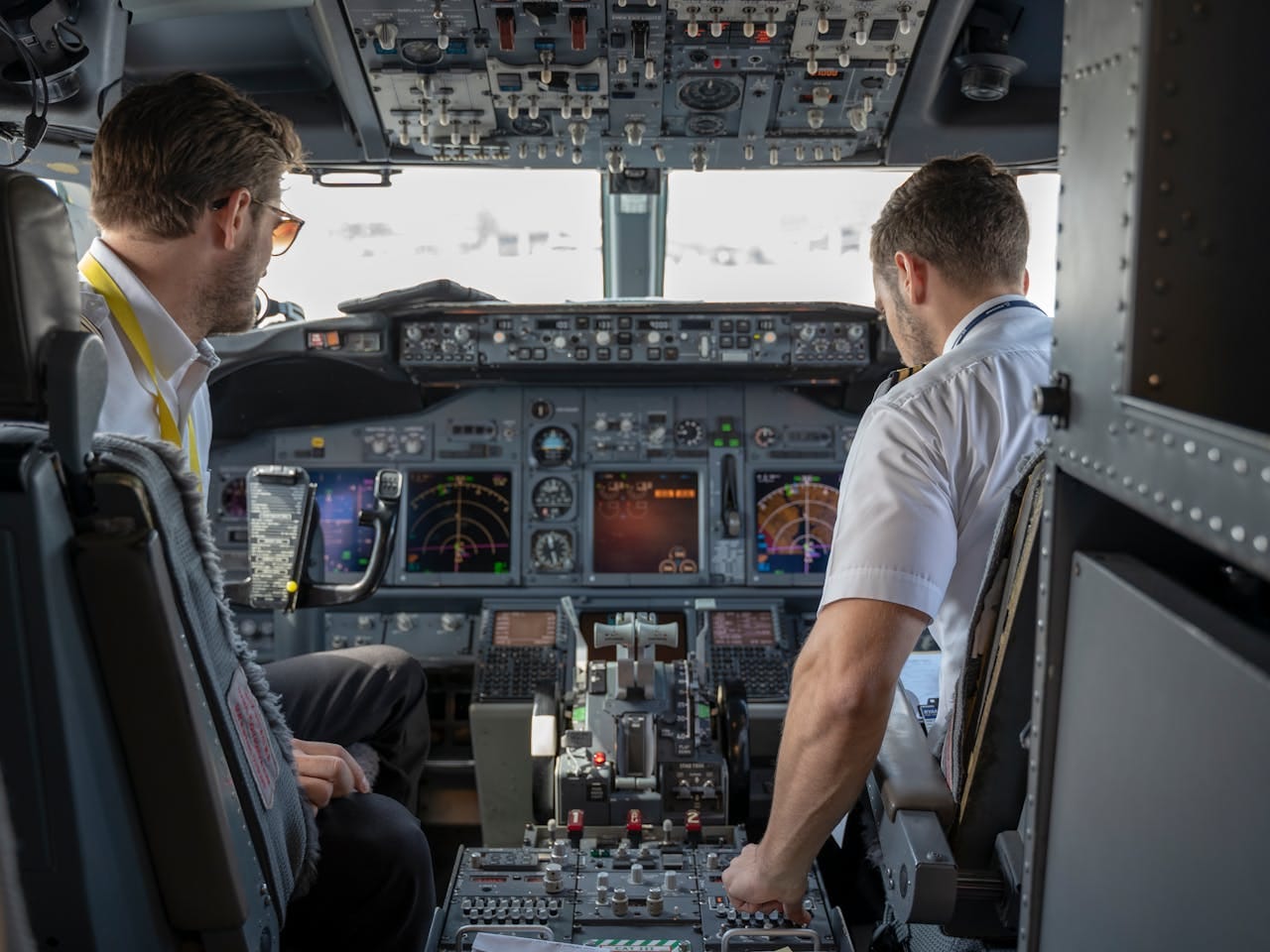
Piloting is a fantastic journey. Flying calls for preparation, discipline, and ability. Although you have difficulties as a rookie pilot, good information can help you along the road. Ten simple ideas in this essay will enable you to succeed. Every part provides unambiguous, sensible guidance for confident, safe flying. From knowing your aircraft to perfecting communication, these revelations provide a solid basis.
Perform thorough pre-flight inspections
Check your aircraft always before takeoff. Look over gasoline, oil, tires, and control surfaces using the checklist. Test lights and instruments for correct operation. Look for leaks or damage on wings and landing gear. Verify on board the necessary paperwork, including the airworthiness certificate. Make sure essential safety gear, such as a pilot life vest, is properly stored and accessible. A thorough examination guarantees your safety and helps to avoid problems midway through the flight. To gain confidence, practice this routine with your teacher. See someone if anything feels off. This practice guarantees that every flight opens on the correct note.
Study Simple Aerodynamics
Know how aircraft fly to guide wise judgments. Examining lift, drag, thrust, and weight. Drag slows you down; lift occurs from wings and wind. Weight drags the aircraft toward the earth; thrust drives it. Discover how these pressures operate both during takeoff and landing. This is well shown in the FAA’s Pilot’s Handbook of Aeronautical Knowledge. Understanding aerodynamics lets you properly handle the airplane. Train by imagining these forces. This information helps you to manage various flying circumstances successfully.
Become proficient in the Phonetic Alphabet
Clear radio calls in aircraft utilize the ICAO phonetic alphabet. For A, memorize terms like “alpha; for 9, “Niner.” For ” FOX, practice spelling items aloud, like “Foxtrot-Oscar-X.” This guarantees clarity over loud radios. Precision is thus essential, as miscommunication might lead to mistakes. Every day, review the letters until they come naturally. Good communication keeps flights professional and safe. Every pilot needs this basic ability, which also helps them to feel confident in the cockpit.
Research Patterns in Weather
Every flight suffers from the elements. Find out about fronts, clouds, and wind. Cold fronts may cause turbulence; fog might limit visibility. To know conditions, check METARs or TAFs before takeoff. Use ForeFlight; however, verify with approved sources. If not ready, steer clear of flying in storms or severe winds. Ask your teacher for guidance on severe conditions. Knowing the weather will enable you to make go/no-go judgments and create reasonable paths. Keep educated to fly safely and with confidence, free from danger.
Clearly State on the Radio
One absolutely must communicate with air traffic control. Speak clearly in brief using the phonetic alphabet. Consider yourself an additional assistant student pilot. To be sure, listen closely and repeat directions. Work through words like “Cessna 123, holding short.” Put down clearances to prevent ambiguity. If necessary, get an explanation; never speculate. Skill development comes from ground practice under direction. Clear radio communications maintain airspace safety and help to avoid errors. Though it takes time, practicing helps one find simplicity.
Know the Systems of Your Aircraft
Discover the engine, fuel, and electrical systems of your aircraft. Go for specifics by consulting the Pilot’s Operating Handbook. Know gauges and how the propeller operates. See problems, such as low oil pressure, for yourself. Check systems, including the alternator, before takeoff. Ask your teacher to break down difficult sections. This information keeps you composed should issues arise. To keep sharp, review system diagrams regularly. Knowing your aircraft guarantees better, more confident flying.
Maintain the cockpit’s organization
A clean cockpit aids in your attention. Before takeoff, arrange charts, a headset, and a kneeboard. Use checklists to keep on target. Clip charts help to prevent clutter. Keep loose stuff in a bag. Change your seat to provide simple access to controls. A neat environment helps rapid reflexes and lowers stress. Ground-based practice using this arrangement. Keep quick access emergency checklists near at hand. Effective organization enhances safety and performance on every flight.
Rely on lists
Safety calls for checklists. Pre-flight, starting, and landing use the aircraft’s checklist. Follow every stage and call aloud confirmation. This avoids mistakes, including flaps of forgetfulness. Save checklists on a tablet or kneeboard. Know where you can get emergency checklists. Especially under stress, memory by itself is insufficient. Work with your teacher to develop this habit. Even professionals use checklists. Should interruption occur, resume to prevent errors. This discipline maintains safe and flawless flying.
Use Flight Simulators
Simulators enhance practice. They let you safely test takeoffs, landings, and emergencies. Discover navigation and cockpit techniques using them. Play through engine problems or adverse weather. Simulators reduce flying time and help coordination by means of cost savings. Work with your teacher for sensible arrangements. They swiftly develop abilities but cannot substitute actual flying. Before classes, run applications or desktop simulators. Regular practice sharpens your skills for real flights.
Remain Attachable to Education
Aviation is always changing and growing. Inquire of your teacher about rules or maneuvers. For advice, chat with seasoned pilots. To meet, join flying clubs or forums. Get concepts from the Airplane Flying Handbook published by the FAA. Notes taken in class can help you monitor improvement. Debrief after aircraft to get knowledge from mistakes. Use aviation websites to keep current on rules. Curious thinking keeps you secure and smart. Accept difficulties to develop as a competent pilot.
Conclusion
Your pilot path is exciting and demanding. These 10 ideas—pre-flight inspections, aerodynamics, phonetic alphabet, weather, radio skills, aircraft systems, cockpit organization, checklists, simulators, and a learning attitude—equip you for success. Use them consistently to increase safety and confidence. Flying is an adventure lifetime, so always inquisitive and never stop learning. You are ready to confront the freedom and challenge the sky present. Apply every lesson to yourself and enjoy the exhilaration of flying.