

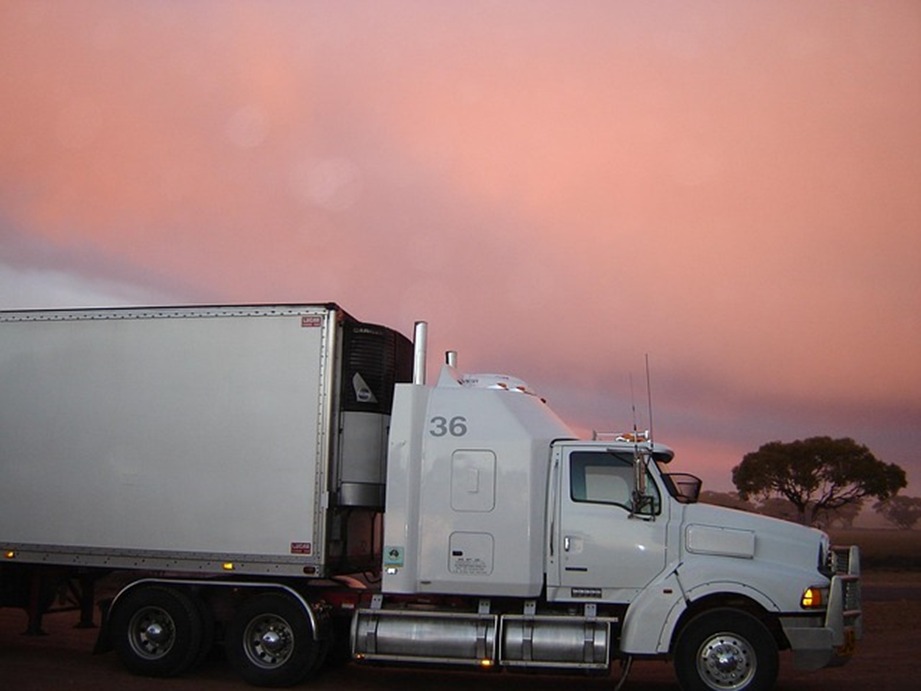
Texas has one of the largest commercial trucking networks in the United States, moving freight across vast distances every day. With that scale comes significant risk. Serious truck accidents on Texas roads often result in catastrophic injuries, property damage, and loss of life. Understanding the most common causes of these collisions is essential for drivers, policymakers, and anyone sharing the road with large commercial vehicles.
Below are five of the leading causes of serious truck accidents in Texas, along with the contributing factors that make these crashes especially dangerous.
1. Driver Fatigue and Hours-of-Service Violations
Why Fatigue Is a Major Risk Factor
Truck drivers often work long hours to meet tight delivery deadlines. Despite federal regulations that limit driving time, fatigue remains one of the most common contributors to serious trucking accidents. Drowsy driving impairs reaction time, decision-making, and situational awareness—skills that are critical when operating an 80,000-pound vehicle.
Regulatory Limits and Real-World Challenges
The Federal Motor Carrier Safety Administration sets strict hours-of-service rules to reduce fatigue-related crashes. However, violations still occur due to pressure from employers, unrealistic schedules, or improper logbook reporting. When a fatigued driver loses focus for even a few seconds, the consequences can be devastating at highway speeds.
2. Distracted Driving Behind the Wheel
Common Forms of Truck Driver Distraction
Distracted driving is not limited to passenger vehicles. Truck drivers may become distracted by:
- Mobile phones and texting
- GPS devices and route planning tools
- In-cab communication systems
- Eating or reaching for objects
Given the size and stopping distance of a commercial truck, even brief distractions can lead to rear-end collisions or lane departures.
Increased Risk on High-Traffic Texas Highways
Texas highways such as I-35, I-10, and US-77 see heavy commercial traffic daily. In congested areas, distraction dramatically increases the likelihood of multi-vehicle accidents involving trucks, often resulting in severe injuries for occupants of smaller vehicles.
3. Improper Truck Maintenance and Equipment Failure
Mechanical Issues That Lead to Crashes
Commercial trucks require constant inspection and maintenance. When trucking companies fail to properly maintain their fleets, critical systems may fail, including:
- Brake systems
- Tires and wheel assemblies
- Steering components
- Lighting and reflectors
Brake failure alone is a frequent cause of runaway truck accidents, especially on long Texas highways where sustained braking is common.
Responsibility for Maintenance Compliance
Federal law requires routine inspections and maintenance documentation. Failure to comply can expose trucking companies to significant liability. Many serious accidents trace back to overlooked mechanical issues that could have been prevented with proper care.
4. Speeding and Aggressive Driving
Why Speed Is Especially Dangerous for Trucks
Speeding magnifies the risks associated with commercial trucks. Due to their size and weight, trucks require significantly more distance to stop than passenger vehicles. Excessive speed reduces a driver’s ability to react to sudden traffic changes, road construction, or weather conditions.
Aggressive Behaviors That Cause Collisions
Aggressive truck driving may include:
- Tailgating
- Unsafe lane changes
- Failure to yield
- Road rage behaviors
These actions are particularly hazardous on Texas roads, where high speed limits and long stretches of highway can encourage risky driving habits.
5. Poor Weather and Hazardous Road Conditions
Texas Weather Extremes
Texas drivers face a wide range of weather conditions, including heavy rain, dense fog, high winds, and occasional ice storms. For large trucks, these conditions can severely impact handling, visibility, and braking performance.
Construction Zones and Road Hazards
Texas is known for ongoing highway construction projects. Narrow lanes, uneven pavement, and sudden traffic pattern changes increase the likelihood of truck accidents, especially when drivers fail to reduce speed or follow posted warnings.
The Serious Consequences of Truck Accidents
Severity of Injuries and Damages
Because of their size, trucks often cause far more severe damage than standard vehicles. Victims may suffer traumatic brain injuries, spinal cord damage, multiple fractures, or long-term disabilities. Recovery can involve extensive medical treatment, rehabilitation, and financial strain.
Legal and Financial Implications
Truck accident cases are complex, often involving multiple parties such as drivers, trucking companies, maintenance providers, and insurers. Victims frequently need experienced legal guidance to navigate these claims and protect their rights. Many people turn to a truck accident lawyer in Corpus Christi when facing the aftermath of a serious trucking collision.
The Importance of Accountability and Safety Compliance
Role of Trucking Companies
Trucking companies are responsible for hiring qualified drivers, enforcing safety rules, and maintaining their vehicles. When profit is prioritized over safety, the risk of serious accidents increases significantly.
Access to Legal and Safety Resources
Understanding your legal options and the regulatory framework surrounding commercial trucking is essential. Resources such as this legal directory provide insight into legal advocacy, while safety standards and enforcement guidelines are established by organizations like the Federal Motor Carrier Safety Administration.
Conclusion
Serious truck accidents on Texas roads are rarely the result of a single factor. Most occur due to a combination of fatigue, distraction, mechanical failures, speeding, and hazardous conditions. By understanding these causes, drivers can remain more vigilant, trucking companies can improve safety practices, and victims can better understand the circumstances surrounding a crash.
Improving awareness, enforcing regulations, and holding negligent parties accountable are key steps toward reducing the frequency and severity of truck accidents across Texas.