

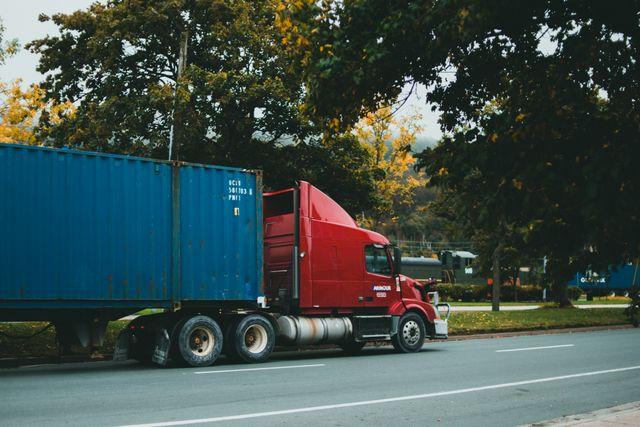
A collision with a commercial vehicle is vastly different from a typical passenger car accident. Because of the sheer size and weight of semi trucks, these incidents often result in severe physical injuries, extensive property damage, and intense emotional trauma.
Navigating the aftermath requires immediate clarity to protect both your health and your legal rights. If you or a loved one are involved in a wreck with a tractor trailer, following a structured set of guidelines can make a profound difference in your physical recovery and any future legal remedy.
1. Prioritize Immediate Health and Safety
The absolute first priority after any large truck crash is to check for injuries and ensure safety. Due to the massive force generated by a commercial vehicle, injuries can be catastrophic or hidden by a surge of adrenaline.
Move to a Safe Area
If the vehicles are functional and it is safe to do so, move them to the shoulder of the road to prevent secondary accidents. Turn on your hazard lights immediately. If the vehicle cannot be moved, get yourself and your passengers to a safe location away from traffic.
Seek Emergency Medical Attention
Call emergency services right away. Even if you believe your injuries are minor, you must be evaluated by a medical professional. Soft tissue injuries, internal bleeding, or traumatic brain injuries often do not show symptoms until hours or days later. Having a formal medical record established on the day of the crash links your injuries directly to the event.
2. Document the Scene Thoroughly
Gathering comprehensive documentation is essential. Commercial trucking companies and their insurance providers deploy specialized adjusters to the scene almost immediately to minimize their liability. You must gather your own objective proof.
Photograph the Evidence
Use your smartphone to capture extensive photographic and video evidence. Document the positions of all vehicles, the damage to each vehicle, skid marks on the road, traffic signs, weather conditions, and any visible injuries. Ensure you get close up shots of the damage as well as wide angle photos of the entire intersection or stretch of highway.
Identify the Trucking Company
Commercial vehicles have unique identifying marks. Photograph the license plates of both the truck cabin and the trailer, as they are often owned by different entities. Take photos of the company logo on the side of the cab and the US DOT registration number. The oversight of these vehicles falls under strict federal standards set by the Federal Motor Carrier Safety Administration, and having these precise identification numbers will help your legal counsel track compliance data later.
3. Exchange Contact and Insurance Information
While you must limit your conversation with the truck driver to avoid any misconstrued statements, you need to collect crucial identifying details.
What Information to Collect
Be sure to obtain the truck driver’s full name, contact information, driver’s license number, and their specific commercial insurance policy details. Additionally, ask for the name and contact information of the motor carrier employing the driver.
Talk to Independent Witnesses
Look around for bystanders, witnesses who pulled over, or occupants of other vehicles who saw the collision occur. Request their names and telephone numbers. Independent witness testimony can be incredibly powerful if the truck driver or the motor carrier tries to dispute how the crash happened.
4. Work Cooperatively With Law Enforcement
A police officer will likely respond to a major commercial truck accident. Their official report will serve as a foundational piece of documentation for your insurance claim or lawsuit.
Provide a Clear Factual Statement
When the responding officer interviews you, stick strictly to the facts. Describe what you experienced clearly without guessing or speculating. Avoid apologizing or using language that could be interpreted as admitting fault, such as saying you are sorry or that you did not see the truck until the last second.
Verify the Police Report Process
Before leaving the scene or the hospital, ask the officer for their name, badge number, and the incident report number. This allows you or your legal representative to request a copy of the official police accident report as soon as it becomes available.
5. Consult a Legal Professional Familiar With Trucking Laws
Truck accident claims involve highly complex legal frameworks, multiple potentially liable parties, and massive corporate insurance policies. Attempting to handle a claim on your own against a trucking conglomerate puts you at a severe disadvantage.
The Complexity of Commercial Truck Claims
Unlike a standard car accident, liability in a truck accident can extend beyond the driver. The negligent parties might include the trucking company, the cargo loading facility, the maintenance provider, or the manufacturer of a defective truck part. A seasoned advocate can launch a proper investigation, issuing spoliation letters to legally preserve black box data, driver logbooks, and maintenance records before they are erased.
To protect your long-term physical and financial recovery, it is wise to consult a qualified Boston personal injury lawyer who understands how to counter the aggressive tactics used by commercial insurers. Reviewing an attorney’s professional standing and client track record through legal directories like Avvo can help ensure you select an advocate equipped to guide you through the complex path to fair compensation.