

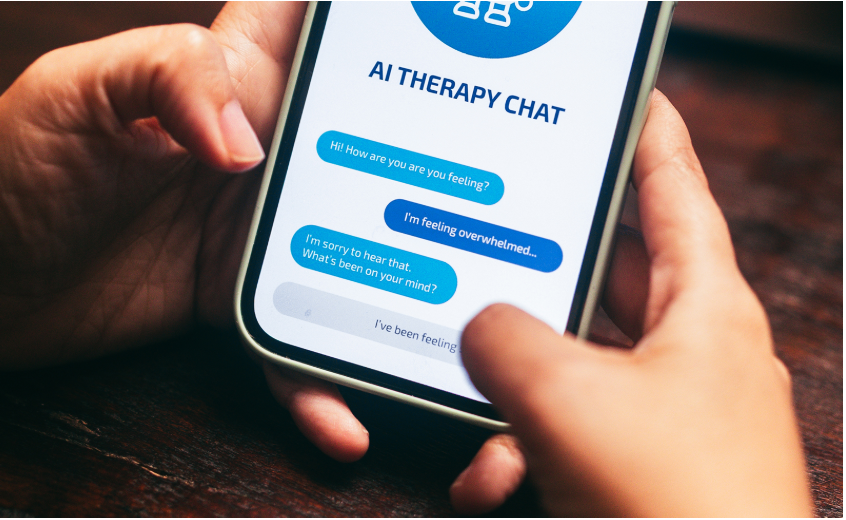
Artificial intelligence has transformed the way people access information, communicate, and manage daily tasks. One of the fastest-growing applications of this technology is in mental health support, where AI-powered chatbots are helping millions of users explore emotions, manage stress, and build healthier habits.
As mental health awareness continues to grow, many individuals are looking for accessible and affordable ways to support their emotional well-being. AI chatbots have emerged as a convenient solution, offering around-the-clock conversations and wellness guidance through smartphones, computers, and other digital devices.
Interest in AI therapy chatbots has increased significantly in recent years as people seek alternatives or complements to traditional mental health services. These tools provide instant access to supportive conversations and self-help resources, making them appealing to users who want flexible mental wellness support.
This guide explains how AI therapy chatbots work, their benefits, limitations, potential risks, and what users should consider before relying on them for mental health support.
What Are AI Therapy Chatbots?
AI therapy chatbots are software applications that use artificial intelligence to simulate supportive conversations related to mental health and emotional well-being.
Unlike traditional chatbots that follow simple scripted responses, modern AI systems use advanced language models and machine learning techniques to generate more natural and personalized interactions.
These tools are commonly designed to:
- Provide emotional support
- Encourage self-reflection
- Teach coping strategies
- Offer mindfulness exercises
- Help users manage stress
- Track moods and emotions
- Promote healthy habits
Although they are often called “therapy chatbots,” most are intended to support wellness rather than replace licensed mental health professionals.
How AI Therapy Chatbots Work
Modern AI mental health chatbots rely on several technologies working together.
Natural Language Processing
Natural language processing (NLP) allows AI systems to understand written messages and generate responses that feel conversational.
When users type messages, the chatbot analyzes language patterns, identifies key topics, and generates relevant replies.
Machine Learning
Machine learning helps AI systems improve performance by recognizing patterns across large amounts of data.
This allows chatbots to provide more personalized interactions and adapt conversations based on user input.
Context Recognition
Advanced systems can remember portions of a conversation and maintain context throughout an interaction.
This creates a more coherent and engaging experience for users.
Wellness Frameworks
Many chatbot platforms incorporate concepts from established mental health approaches such as:
- Cognitive Behavioral Therapy (CBT)
- Mindfulness techniques
- Positive psychology
- Stress-management practices
- Emotional regulation exercises
These frameworks help guide conversations toward constructive outcomes.
Why People Use Mental Health Chatbots
There are many reasons users choose AI-powered mental wellness tools.
Convenience
One of the biggest advantages is availability. Users can access support at any time without scheduling appointments.
Privacy
Some individuals feel more comfortable discussing sensitive concerns with an AI system than with another person.
Affordability
Many chatbot platforms offer free or low-cost access compared to traditional therapy services.
Immediate Responses
Unlike waiting days or weeks for an appointment, AI chatbots provide instant interaction.
Emotional Check-Ins
Many users utilize chatbots for daily reflections, mood tracking, and stress management.
Common Features of AI Therapy Chatbots
Most modern AI wellness platforms offer a variety of features designed to support emotional well-being.
Conversational Support
Users can discuss thoughts, feelings, concerns, and daily experiences through chat-based interactions.
Mood Tracking
Many systems allow users to monitor emotional patterns over time.
Guided Exercises
Breathing techniques, mindfulness activities, and relaxation exercises are commonly included.
Goal Setting
Some platforms help users establish personal wellness goals and track progress.
Journaling Assistance
AI can guide self-reflection through prompts and structured writing exercises.
Educational Content
Mental health education resources often accompany chatbot interactions.
Benefits of AI Therapy Chatbots
The growing popularity of mental health chatbots can be attributed to several key advantages.
Increased Accessibility
AI tools make emotional support available to people who may otherwise have limited access to mental health resources.
Lower Barriers to Entry
For individuals hesitant to seek therapy, chatbots provide a low-pressure introduction to mental wellness support.
Consistent Availability
Unlike human providers, chatbots are available 24 hours a day.
Encouragement of Healthy Habits
Regular check-ins and reminders can help users maintain wellness routines.
Support Between Therapy Sessions
Many people use AI tools alongside professional treatment to reinforce coping skills and emotional awareness.
Limitations of AI Therapy Chatbots
While these tools offer many benefits, they also have important limitations.
Lack of Genuine Empathy
AI systems generate responses based on patterns in language but do not truly understand emotions.
Limited Understanding of Complex Situations
Human experiences are often nuanced and multifaceted. AI may struggle to fully interpret complicated emotional issues.
Potentially Inaccurate Guidance
Although technology continues to improve, chatbot responses are not always appropriate or accurate.
No Clinical Diagnosis
AI chatbots cannot diagnose mental health conditions or provide individualized treatment plans.
Unsuitable for Emergencies
Mental health crises require immediate human intervention and professional support.
What to Watch for When Using Mental Health Chatbots
Anyone considering AI mental health tools should keep several factors in mind.
Privacy Policies
Users should review how platforms collect, store, and use personal information.
Evidence-Based Design
Look for applications that incorporate recognized psychological principles and research-backed approaches.
Transparency
Reputable platforms clearly explain what their AI systems can and cannot do.
Realistic Expectations
Understanding the limitations of AI can help users avoid relying on these tools for situations beyond their capabilities.
Are AI Therapy Chatbots Effective?
Research into AI mental health tools continues to expand.
Current evidence suggests that many users benefit from:
- Increased emotional awareness
- Improved stress management
- Greater engagement with self-care practices
- Better understanding of coping strategies
- Enhanced mindfulness habits
While AI cannot replicate professional therapy, it can provide meaningful support for everyday wellness challenges.
The Future of Mental Health Chatbots
The field of AI mental health technology continues to evolve rapidly.
Future improvements may include:
- Better emotional recognition
- More personalized conversations
- Improved contextual understanding
- Enhanced privacy protections
- Greater integration with healthcare systems
These advancements could make chatbot experiences even more useful and effective for users.
The growing interest in mental health chatbots demonstrates how technology is expanding access to mental wellness support around the world.
Best Practices for Responsible Use
To get the most benefit from AI therapy chatbots:
- Use them as wellness tools rather than replacements for therapists.
- Seek professional care for persistent or severe mental health concerns.
- Verify important information through qualified healthcare providers.
- Prioritize privacy and data security.
- Combine chatbot support with healthy lifestyle habits.
Conclusion
AI therapy chatbots are becoming an increasingly important part of the mental health technology landscape. Their accessibility, affordability, and convenience make them attractive options for individuals seeking emotional support, stress management tools, and wellness guidance.
Although these systems cannot replace licensed mental health professionals, they can help users develop healthier habits, increase self-awareness, and engage more consistently with mental wellness practices. By understanding both the strengths and limitations of AI therapy chatbots, users can make informed decisions about how to incorporate these tools into their overall mental health journey.
As artificial intelligence continues to advance, therapy chatbots will likely become even more sophisticated, providing valuable support to millions of people seeking accessible mental health resources.