

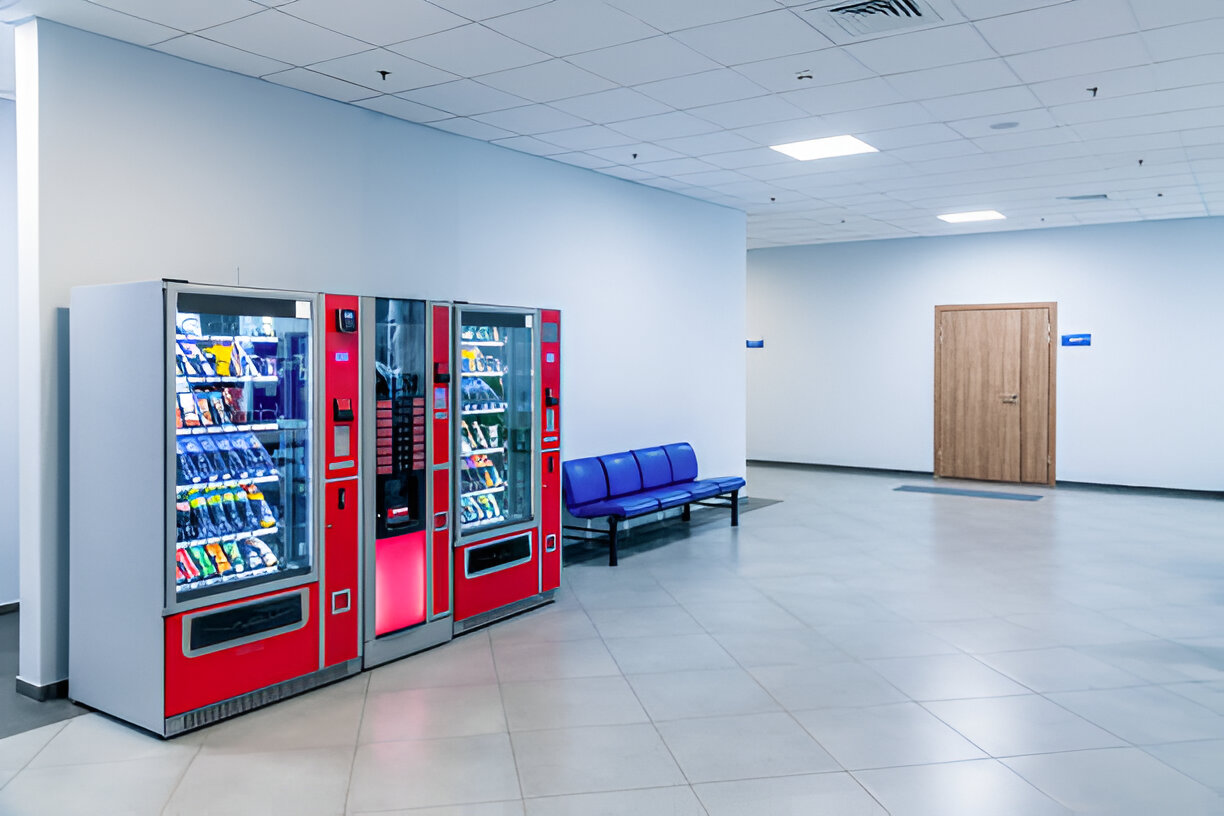
You’ve seen them everywhere. From shopping centres and train stations to schools and offices, automatic vending machines are a regular part of Australian life, providing quick, contactless access to everyday items around the clock. But have you ever wondered how they actually work? What’s inside that sturdy metal cabinet, and how do they deliver your drink or snack with just a few taps?
Here’s a closer look at the inner workings of an automatic vending machine, from the technology behind it to the features that make it so convenient.
The Control Centre
Every automatic vending machine runs on a central control board, essentially its brain. This circuit board handles everything—from reading your payment to activating the motor that drops your selection into the tray.
Many newer machines have digital screens or touchscreen displays. These aren’t just for show. Behind the interface, software tracks inventory, monitors sales, and keeps an eye on system performance. Some machines even link to cloud-based systems that allow operators to manage them remotely, checking stock, updating prices, and getting alerts when items need refilling.
Payment Systems
Today’s vending machines accept more than just coins. Most now offer contactless card readers, mobile wallet support, and even QR code payments through specific apps. This means you can simply tap and go—no more digging around for spare change.
When you make a payment, the machine verifies it through a built-in processor. Once approved, the control board receives a signal and unlocks the item you’ve selected. Machines that still accept coins and notes use sophisticated sensors to check authenticity and ensure smooth operation.
Product Delivery Methods
There are a few common mechanisms inside vending machines that get your chosen item from shelf to tray.
- Coil Dispensers: Most snack machines use spiral metal coils to hold items. When activated, the coil rotates and the item falls into the tray.
- Elevators or Conveyor Systems: In machines that store electronics, fresh food, or more fragile goods, gentle delivery methods are often used. These systems help prevent damage and ensure a smoother experience.
- Robotic Arms: Some modern machines use small robotic arms to retrieve items, especially in high-end or specialised models.
Many machines also feature drop sensors. These detect whether the item was successfully dispensed and can either try again or issue a refund if necessary.
Temperature and Climate Control
If a vending machine stores perishable products or drinks, it includes refrigeration systems with thermostats and fans. These regulate internal temperatures to keep items cool, even in the height of summer.
In some cases, machines contain heating elements. These are often used in models that serve hot beverages, soups, or meals. The goal is simple: serve your purchase at the ideal temperature.
Built for Safety
Vending machines are designed to be tough and reliable. Their frames are typically made from reinforced steel and fitted with tamper-proof locks. The front windows are usually shatter-resistant, while internal components are designed to minimise faults and reduce maintenance issues.
They also have in-built safety mechanisms to avoid overheating, electrical issues, or product jams. Regular maintenance and cleaning schedules ensure they stay safe for public use.
Why They’re So Popular in Australia
Automatic vending machines are practical, low-maintenance, and available around the clock. They’re ideal for locations that see high foot traffic but don’t have full-time staff—like transit stations, universities, gyms, and even beaches.
Australia has embraced more innovative uses as well. Some machines now sell eco-friendly products like reusable water bottles or bamboo cutlery. Others stock PPE, pet treats, or locally made souvenirs.
Because they don’t rely on human staff and can be restocked and maintained remotely, vending machines are a smart solution for offering convenient access to essential items anywhere, anytime.
Benefits for Businesses
Automatic vending machines also offer advantages for business owners. They’re easy to install, don’t require staff to operate, and generate passive income. Some models allow businesses to track user behaviour, product popularity, and sales patterns in real-time.
They can also be customised to suit different environments—whether it’s a compact unit for a small break room or a large machine for a high-traffic retail space.
For businesses seeking a flexible, scalable solution, vending machines are a cost-effective way to meet customer needs with minimal overhead.
Conclusion
Vending machines might seem simple, but there’s a lot going on behind the scenes. From smart payment systems and cloud-based monitoring to temperature control and product sensors, the modern automatic vending machine is an example of clever engineering and convenience rolled into one.
Next time you grab a snack or a drink on the go, take a second to appreciate the technology that makes it possible. These machines are more than just convenient—they’re a reflection of how far everyday automation has come.