

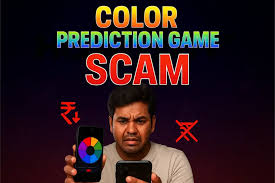
Color prediction games have become a digital craze, especially in mobile-first markets where users are drawn to fast-paced gameplay and the promise of real-money rewards. But with popularity comes risk. As more users flock to these platforms, scammers have seized the opportunity to create fake apps that mimic legitimate games, only to steal personal data or siphon off funds. Knowing how to spot these fraudulent apps is essential for anyone looking to enjoy the thrill of prediction gaming without falling victim to deception.
The Rise of Fake Color Prediction Apps
The surge in popularity of color prediction games has created a fertile ground for malicious actors. These scammers often design apps that look and feel like the real thing, complete with polished interfaces, flashy bonuses, and aggressive marketing campaigns. They lure users with promises of high returns, instant payouts, and exclusive rewards for early sign-ups. But once users deposit money or share personal information, the app either locks them out, manipulates outcomes, or disappears entirely.
Some fake apps even operate as pyramid schemes, encouraging users to recruit others in exchange for referral bonuses. This tactic not only spreads the scam faster but also gives it a veneer of legitimacy, making it harder for new users to detect the fraud.
Common Scam Tactics to Watch Out For
Scammers use a variety of tactics to trick users into trusting and investing in fake apps. One of the most common is the “deposit trap,” where users are required to make a minimum deposit to start playing or withdraw winnings. Once the deposit is made, users often find that their funds are locked or that additional deposits are required to “unlock” their earnings.
Another tactic involves rigged algorithms. While legitimate platforms like daman login use certified random number generators (RNGs) to ensure fairness, fake apps may manipulate outcomes to ensure users lose over time. These apps might allow small wins initially to build trust, only to drain balances later through manipulated losses.
Phishing is also a growing threat. Scammers may pose as platform administrators and send fake emails or messages asking for account credentials or payment details. These messages often look official and urgent, tricking users into handing over sensitive information.
Red Flags That Signal a Fake App
Spotting a fake color prediction app requires a keen eye and a healthy dose of skepticism. One major red flag is the lack of transparency. If the app doesn’t clearly explain how outcomes are generated or how winnings are calculated, that’s a warning sign. Legitimate platforms usually provide detailed terms and conditions, privacy policies, and information about their RNG systems.
Another red flag is the absence of licensing or regulatory oversight. Reputable platforms often display certifications or licenses from gaming authorities. If an app doesn’t mention any regulatory body or offers vague legal disclaimers, proceed with caution.
User reviews can also be revealing. While some fake apps flood app stores with fake five-star reviews, a closer look often reveals inconsistencies. Look for detailed reviews that mention real experiences, and be wary of apps with overwhelmingly positive feedback but no critical or neutral comments.
Finally, be cautious of apps that aggressively push for deposits or referrals. If the app seems more focused on getting you to recruit others than on providing a fair gaming experience, it may be part of a pyramid scheme.
How to Protect Yourself
The best defense against fake apps is a combination of research, caution, and digital hygiene. Start by downloading apps only from official app stores like Google Play or the Apple App Store. These platforms have vetting processes that reduce the risk of encountering malicious software.
Before signing up, research the platform online. Look for independent reviews, news articles, or forum discussions that mention the app. If the app is relatively unknown or has a suspiciously short history, that’s a reason to dig deeper.
Enable two-factor authentication (2FA) on your account if the platform offers it. This adds an extra layer of security and makes it harder for scammers to access your account even if they obtain your password.
Avoid sharing sensitive information like your bank account details or government-issued ID unless you’re certain the platform is legitimate. And never click on links from unsolicited messages claiming to be from the app’s support team.
The Role of Regulation and Community Awareness
While individual vigilance is crucial, broader regulation and community awareness also play a role in combating scams. Governments and regulatory bodies are beginning to take notice of the risks associated with online prediction games. In some regions, new rules require platforms to register with gaming authorities, implement responsible gaming features, and disclose odds and payout structures.
Community-driven efforts, such as online watchdog groups and scam alert forums, also help by sharing information about known scams and suspicious platforms. By participating in these communities, users can stay informed and help others avoid falling into the same traps.
Final Thoughts
Color prediction games can be a fun and engaging way to pass the time, but they also come with risks—especially when scammers are involved. By learning to recognize the signs of a fake app, staying informed, and practicing good digital habits, you can enjoy the game without becoming a victim. In the world of online gaming, a little skepticism goes a long way.