

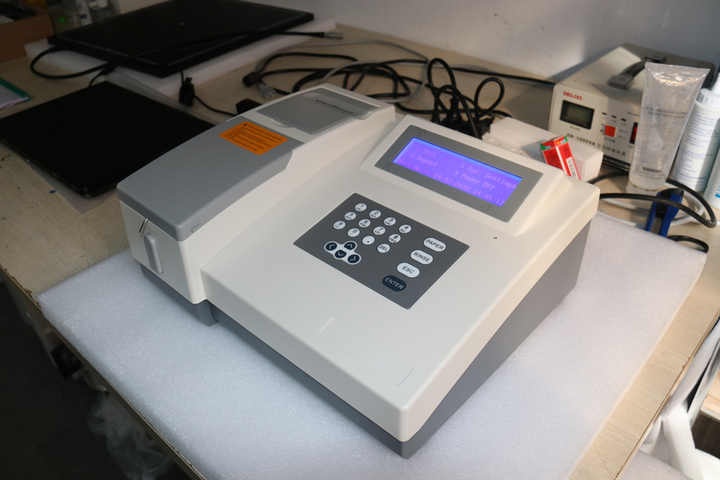
A biochemical analyzer and a hematology analyzer for laboratory are two of the most important diagnostic instruments used in modern healthcare facilities. These machines help laboratories perform accurate blood testing, support disease diagnosis, and improve patient care. Whether in hospitals, diagnostic centers, research institutions, or private laboratories, these analyzers play a vital role in delivering reliable and fast test results.
What Is a Biochemical Analyzer?
A biochemical analyzer is a laboratory instrument designed to measure chemical substances present in blood, serum, plasma, or other body fluids. It helps healthcare professionals evaluate organ function, detect diseases, and monitor treatment progress.
Biochemical analyzers can measure a wide range of parameters, including:
- Blood glucose levels
- Cholesterol and lipid profiles
- Liver function markers
- Kidney function indicators
- Electrolytes
- Enzymes and proteins
These results provide valuable information about a patient’s overall health condition and help physicians make informed medical decisions.
How a Biochemical Analyzer Works
A biochemical analyzer uses chemical reagents and optical measurement technologies to evaluate blood samples.
The sample is mixed with specific reagents that react with the target substance. The analyzer then measures changes in light absorption or color intensity through photometric methods. Advanced software processes the data and generates accurate results within minutes.
Modern systems can perform multiple tests simultaneously, increasing laboratory productivity and efficiency.
What Is a Hematology Analyzer for Laboratory?
A hematology analyzer for laboratory is an automated device used to analyze blood cells and perform Complete Blood Count (CBC) tests.
It measures critical blood parameters such as:
- Red Blood Cells (RBC)
- White Blood Cells (WBC)
- Hemoglobin (HGB)
- Platelets (PLT)
- Hematocrit (HCT)
These measurements are essential for diagnosing conditions such as anemia, infections, inflammatory diseases, blood disorders, and leukemia.
How a Hematology Analyzer Works
A hematology analyzer processes blood samples using technologies such as electrical impedance, laser optics, and flow cytometry.
As blood cells pass through the analyzer, sensors detect and classify them based on size, shape, and internal characteristics. The system then generates a detailed blood report that helps clinicians evaluate the patient’s health status.
Automation significantly reduces manual workload while improving accuracy and consistency.
Importance in Modern Laboratories
Both biochemical analyzers and hematology analyzers are essential components of a modern laboratory.
The biochemical analyzer provides information about metabolic and organ functions, while the hematology analyzer focuses on blood cell analysis. Together, they provide a comprehensive picture of a patient’s health.
Most diagnostic laboratories use both systems daily to perform routine health screenings, disease diagnosis, and treatment monitoring.
Applications of Biochemical Analyzers
A biochemical analyzer is widely used in various medical settings.
Hospitals use it for routine patient testing and emergency diagnostics. Diagnostic laboratories rely on it for high-volume sample processing. Research institutions use biochemical analyzers to study diseases and evaluate new treatments.
These analyzers are particularly valuable in diagnosing diabetes, liver disease, kidney disorders, cardiovascular conditions, and metabolic abnormalities.
Applications of Hematology Analyzers for Laboratory
A hematology analyzer for laboratory is commonly used for:
- Routine CBC testing
- Infection detection
- Anemia diagnosis
- Blood disorder screening
- Cancer monitoring
- Pre-surgical evaluations
Because blood analysis is one of the most frequently ordered laboratory tests, hematology analyzers are among the busiest instruments in clinical laboratories.
Benefits of Automated Laboratory Analyzers
Modern analyzers offer numerous advantages.
One major benefit is speed. Results can be generated in minutes rather than hours.
Accuracy is another important advantage. Automated systems minimize human error and provide consistent results.
High throughput allows laboratories to process large numbers of samples efficiently. Digital reporting and data management systems also improve record keeping and communication between healthcare providers.
Choosing the Right Laboratory Analyzer
When selecting a biochemical analyzer or hematology analyzer for laboratory use, several factors should be considered:
- Testing volume requirements
- Number of parameters offered
- Automation level
- Maintenance requirements
- Availability of reagents and consumables
- Technical support and warranty
Laboratories should choose equipment that matches their workload, budget, and clinical needs.
Future Trends in Laboratory Diagnostics
The future of biochemical and hematology analyzers is focused on automation, artificial intelligence, and connectivity.
AI-powered systems are helping identify abnormal patterns more quickly and improving diagnostic accuracy. Cloud-based data management is enabling faster information sharing between laboratories and healthcare facilities.
Portable and point-of-care analyzers are also becoming more popular, allowing testing to be performed closer to patients and reducing turnaround times.
Conclusion
A biochemical analyzer and a hematology analyzer for laboratory are essential tools in modern medical diagnostics. They provide fast, accurate, and reliable information that helps healthcare professionals diagnose diseases, monitor treatments, and improve patient outcomes.
As laboratory technology continues to advance, these analyzers will become even more efficient, intelligent, and accessible, supporting better healthcare services around the world.