

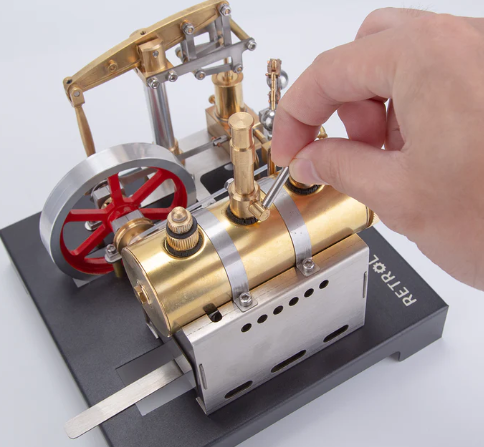
Learning mechanics does not have to be complicated or limited to textbooks. In fact, some of the best learning happens when you build something with your own hands. This is exactly what makes mini engine projects so exciting. They give you a chance to explore real mechanical systems in a simple, practical way. With the help of EngineDIY, building a working mini engine becomes an enjoyable and educational experience for anyone.
What Is a Mini Engine?
A mini engine is a small, functional version of a real engine. Even though it is compact, it includes important components like pistons, cylinders, and rotating parts. These parts work together to create motion, just like in full-size engines.
The goal of a mini engine is not just to look good—it is to perform. When you assemble and run it, you can see how energy is converted into movement. This makes it a great tool for learning basic engineering concepts in a hands-on way.
Why Build a Mini Engine?
Building a mini engine is more than just a DIY project. It is a complete learning experience. Instead of reading about how engines work, you get to build one yourself. This makes learning more engaging and easier to understand.
When you build a mini engine, you:
- Learn how parts connect and function
- Understand the role of each component
- See real mechanical movement
- Develop problem-solving skills
This process helps you gain knowledge in a practical way. You are not just learning theory—you are applying it.
How EngineDIY Supports You
The journey of building a mini engine becomes much easier with EngineDIY. The platform is designed to help users at every step, from choosing the right kit to completing the final build.
EngineDIY offers complete kits that include all necessary components. This means you don’t have to worry about finding parts or tools separately. Everything is included and designed to work together smoothly.
In addition, EngineDIY provides:
- Step-by-step instructions
- Beginner-friendly guides
- High-quality materials
- Support for advanced projects
Step-by-Step Building Experience
One of the most exciting parts of working with a mini engine is the building process itself. It is structured, simple, and very rewarding.
Step 1: Understanding the Parts
Before starting, you get familiar with the components. This helps you understand what each part does.
Step 2: Assembling the Engine
You begin putting the parts together, following clear instructions. Each step builds on the previous one.
Step 3: Checking the Connections
You make sure everything is properly aligned and secure. This ensures the engine will run smoothly.
Step 4: Running the Engine
Once assembled, you can run the engine and see it in action. This is the most satisfying part of the process.
Each step teaches something new and builds your confidence.
Learning Real Engineering Concepts
Mini engines are powerful learning tools because they show real mechanical principles in action. As you build and run the engine, you will understand:
- How pistons create motion
- How energy is transferred
- How rotating parts work together
- How timing affects performance
These concepts are easier to understand when you can see them happening. This makes the learning process more effective and enjoyable.
Experimenting and Improving
After building your mini engine, you can go beyond the basics. This is where experimentation begins.
You can:
- Test the engine’s performance
- Make small adjustments
- Try different configurations
- Improve efficiency
This stage encourages creativity and deeper understanding. It allows you to think like an engineer and explore new ideas.
Who Should Try It?
Mini engine kits are suitable for a wide range of people:
Beginners
They provide a simple and guided introduction to mechanics.
Students
They help students understand engineering concepts in a practical way.
Teachers
They can be used as interactive teaching tools in classrooms.
Hobbyists
They offer a fun and creative DIY experience.
Engineers
They provide a compact way to explore mechanical systems.
Skills You Will Develop
Building a mini engine helps you develop valuable skills that can be used in many areas of life:
- Problem-solving
- Logical thinking
- Attention to detail
- Patience and focus
These skills are not only useful for DIY projects but also for education and professional growth.
From First Build to Confidence
At the beginning, building a mini engine might seem challenging. But as you follow the steps and see progress, your confidence grows. Each completed part brings a sense of achievement.
Over time, you become more comfortable with mechanical systems. You start to understand how things work and feel ready to take on more advanced projects.
More Than Just a DIY Project
Building a mini engine is not just about completing a task. It is about learning, exploring, and growing. It turns curiosity into knowledge and ideas into real results.
With EngineDIY, the experience becomes even better. The platform provides everything you need to succeed, making the process smooth and enjoyable.
Conclusion
Building a mini engine is one of the best ways to learn mechanics in a hands-on and practical way. It combines fun, creativity, and education into a single experience. From assembling parts to running a working engine, every step offers valuable learning.
With the support of EngineDIY, anyone can start this journey. The platform makes it easy to build, learn, and experiment, regardless of your skill level.