

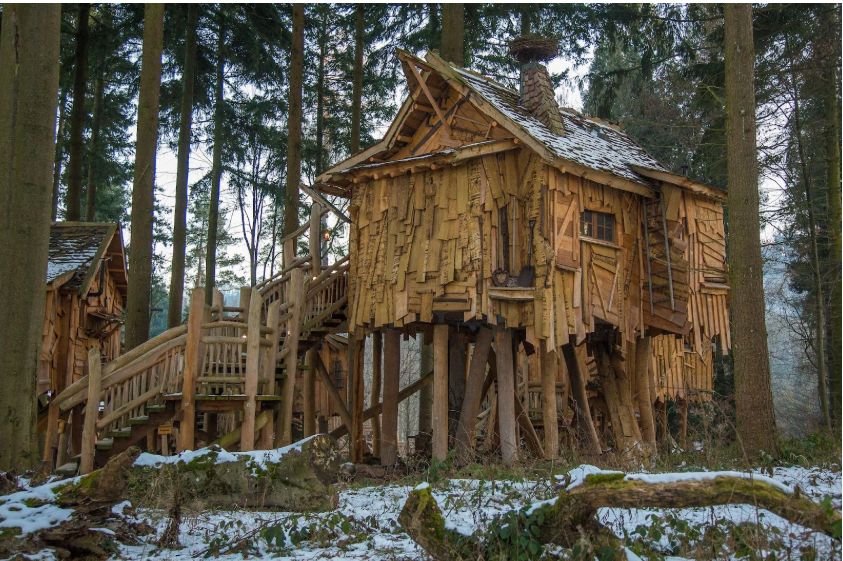
The construction industry is undergoing a quiet but meaningful shift. Homeowners and developers are no longer focused solely on durability or aesthetics—they are increasingly looking for solutions that balance performance with environmental responsibility. Timber, with its natural versatility and renewable qualities, has emerged as a central material in this transformation.
What truly drives the success of timber construction, however, is not just the material itself. It is the expertise behind it. Skilled professionals who understand both traditional craftsmanship and modern building demands are playing a crucial role in shaping how timber is used today.
The Growing Importance of Timber in Sustainable Housing
Timber has become a preferred material in sustainable construction due to its ability to reduce environmental impact while maintaining structural integrity. Unlike many conventional materials, wood can be sourced responsibly and regenerated over time, making it a viable long-term option for builders.
The shift toward sustainability is also reflected in housing trends. Insights such as those shared in this analysis of why homeowners trust indoor wood furnaces for reliable heating highlight how environmental considerations are influencing both design and material selection.
As these trends continue to evolve, timber remains at the forefront of solutions that meet both environmental and structural expectations.
The Role of Expertise in Timber Construction
Understanding Material Behavior
Timber is a living material, even after it has been processed. It reacts to humidity, temperature, and load in ways that require careful planning. Experienced professionals understand these behaviors and design structures that accommodate them.
This knowledge helps prevent issues such as warping or structural imbalance, ensuring that timber performs consistently over time.
Applying Traditional Craftsmanship to Modern Builds
While technology has advanced construction methods, traditional craftsmanship still plays an important role. Techniques developed over generations continue to influence how timber is shaped, joined, and finished.
Initiatives like efforts to preserve and develop traditional handicrafts demonstrate the lasting value of skilled workmanship. These practices bring a level of detail and care that enhances both durability and design.
Working with Timber Experts for Better Outcomes
The success of any timber project depends on the people behind it. Skilled teams bring together knowledge, experience, and attention to detail, ensuring that each stage of construction is handled with precision.
Collaborating with professionals such as the team at Tar River Timber Works allows builders to benefit from a comprehensive approach that combines structural expertise with design insight. Their ability to adapt to different project requirements helps create results that are both efficient and visually cohesive.
This level of collaboration reduces uncertainty and supports a smoother construction process from start to finish.
Bridging Design and Sustainability
Modern construction is no longer just about creating functional spaces—it is about building environments that align with broader environmental goals. Timber plays a key role in this effort by offering a material that supports both design flexibility and sustainability.
Designers are increasingly integrating timber into projects in ways that highlight its natural qualities while minimizing waste. This includes using engineered wood products, optimizing material usage, and planning for long-term durability.
By combining thoughtful design with responsible sourcing, builders can create spaces that reflect both innovation and environmental awareness.
Reducing Environmental Impact Through Smart Planning
Sustainability in construction extends beyond material selection—it involves the entire lifecycle of a project. From sourcing to installation, every step presents an opportunity to reduce environmental impact.
Timber construction supports this goal by offering a material that can be reused, recycled, and repurposed. Careful planning ensures that waste is minimized and resources are used efficiently.
This approach not only benefits the environment but also contributes to more cost-effective construction practices.
Adapting to Changing Industry Expectations
The construction industry is evolving in response to new challenges and expectations. Homeowners are looking for spaces that are not only durable but also environmentally responsible and visually appealing. Timber meets these demands by offering a balance of strength, flexibility, and sustainability.
Experts in the field are adapting by incorporating new technologies and techniques into their work. Digital modeling, improved material processing, and innovative design approaches are expanding what can be achieved with timber.
This adaptability ensures that timber remains a relevant and valuable material in modern construction.
The Future of Timber and Expert Craftsmanship
Looking ahead, the role of timber in construction is expected to grow. As sustainability becomes a central focus, materials that offer both environmental and structural benefits will continue to gain importance.
At the same time, the need for skilled professionals will remain essential. Technology can enhance efficiency, but it cannot replace the expertise required to design and execute complex projects.
The combination of advanced methods and traditional craftsmanship will define the next generation of timber construction.
Conclusion
Timber construction represents a unique intersection of sustainability, design, and craftsmanship. Its ability to meet modern demands while maintaining a connection to traditional building practices makes it a powerful material for today’s projects.
By working with experienced professionals and embracing thoughtful design, builders can create spaces that are both functional and environmentally responsible. Timber, guided by expert hands, continues to shape a future where construction is as mindful as it is enduring.