

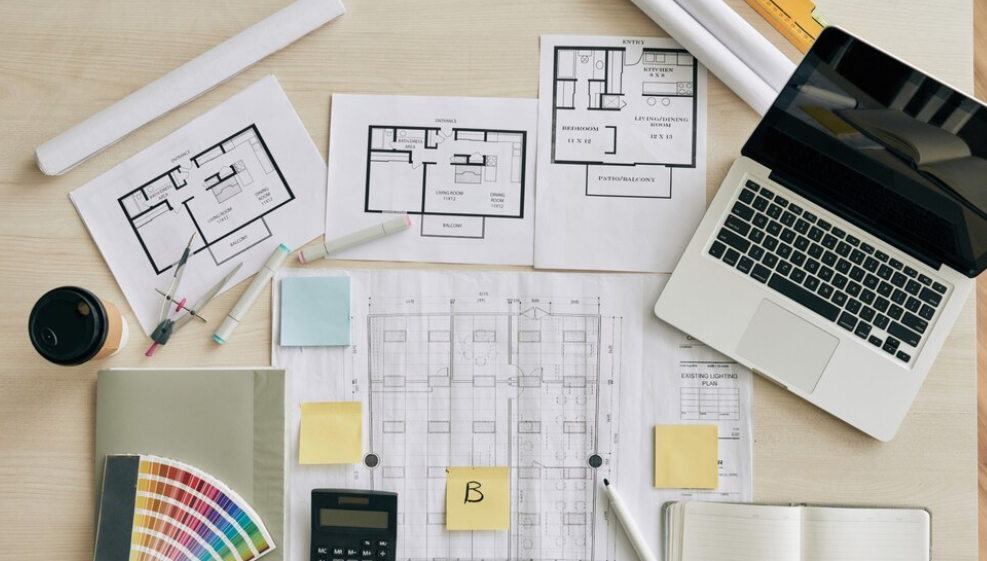
Designing a commercial space requires careful planning to maximize functionality, efficiency, and aesthetics. A well-structured floor plan is essential for ensuring smooth operations, optimizing workflow, and enhancing the customer experience. Whether for retail stores, restaurants, offices, or warehouses, utilizing the right tools and strategies can significantly impact business growth.
The Importance of Custom Floor Plans
A custom floor plan serves as the foundation for any commercial space, dictating how areas are utilized and ensuring a seamless flow. An efficient layout enhances productivity by minimizing wasted space, improving accessibility, and facilitating movement for both employees and customers. It also helps meet industry-specific requirements such as safety regulations, accessibility guidelines, and operational efficiency.
Beyond functionality, a carefully designed layout can influence customer behavior. Retailers, for example, strategically place high-demand items in key locations to drive sales, while restaurants optimize seating arrangements to balance comfort with maximum capacity. Offices, on the other hand, prioritize layouts that encourage collaboration while allowing for private work areas.
Key Elements of Effective Floor Planning
Creating a well-organized floor plan involves more than just placing walls and furniture. Several factors contribute to a successful design:
- Space Utilization: Efficient use of available space ensures that every square foot serves a purpose. This is especially crucial in commercial environments where maximizing utility directly affects revenue.
- Traffic Flow: A well-thought-out layout considers how people move within the space, preventing congestion and ensuring accessibility. Entrances, exits, and pathways should be designed to promote smooth circulation.
- Functionality: Each area should be tailored to meet business needs. Restaurants require efficient kitchen-to-table workflows, while retail stores need logical product placement.
- Compliance and Safety: Adhering to building codes, fire safety regulations, and accessibility standards ensures legal compliance and enhances security.
- Scalability: A well-designed plan should accommodate future expansion, allowing businesses to grow without major structural changes.
Tools to Assist in Floor Plan Creation
The process of designing a commercial floor plan has been greatly simplified with the availability of digital tools. A reliable floor plan creator helps businesses visualize layouts, make real-time adjustments, and test different configurations before construction begins. These tools offer features such as drag-and-drop functionality, 3D visualization, and precise measurements, making it easier to create professional layouts without advanced technical skills.
Some key benefits of using these digital solutions include:
- Accuracy and Precision: Digital tools ensure that dimensions, angles, and placements are exact, reducing errors that could lead to costly modifications.
- Visualization Capabilities: Many software options provide 3D rendering, allowing businesses to get a realistic view of how the space will look and function.
- Time Efficiency: Creating and modifying floor plans digitally is significantly faster than traditional methods, enabling quicker decision-making.
- Collaboration Features: Cloud-based platforms enable multiple stakeholders, including architects, designers, and business owners, to work on a plan simultaneously.
Step-by-Step Guide to Designing a Commercial Floor Plan
- Assess Business Needs
Understanding the specific requirements of the business is the first step. Consider daily operations, employee workflow, customer interaction, and storage requirements. - Determine Space Allocation
Identify key zones such as entryways, service areas, workstations, restrooms, and storage. Ensuring a logical arrangement prevents inefficiencies and enhances usability. - Sketch Initial Layouts
Begin with rough sketches or digital drafts to explore different configurations. Testing multiple layouts can help determine the most effective use of space. - Utilize a Floor Plan Creator
Using a digital tool allows for precise measurements and easy modifications. Experiment with different layouts, furniture placements, and design elements. - Incorporate Safety and Compliance Measures
Verify that the layout aligns with building codes, fire escape routes, and accessibility requirements. Safety considerations should never be overlooked. - Review and Finalize
Gather feedback from key stakeholders, make necessary adjustments, and finalize the design before moving forward with construction or renovations.
Common Challenges in Floor Plan Design and How to Overcome Them
- Limited Space: Small commercial spaces require creative solutions to maximize functionality. Utilizing vertical storage, multi-purpose furniture, and strategic layouts can optimize the area.
- Traffic Bottlenecks: Poorly designed pathways can create congestion. Wide, clearly defined routes help maintain smooth movement.
- Inefficient Workflows: A disorganized layout can hinder productivity. Analyzing operations and arranging spaces logically minimizes unnecessary movement.
- Future Expansion Constraints: Planning for future growth from the outset ensures the layout remains adaptable without requiring costly modifications.
Integrating Technology into Floor Plan Design
Modern commercial spaces benefit greatly from integrating technology into their layouts. Smart lighting, automated security systems, and energy-efficient HVAC designs can be incorporated into the floor plan from the beginning. Businesses that implement digital mapping and IoT solutions can optimize energy use, track customer movement patterns, and improve overall efficiency. By considering technological needs early in the planning stage, businesses can future-proof their spaces and reduce operational costs.
Sustainability Considerations in Floor Planning
Sustainable design is becoming a priority for commercial spaces. Implementing eco-friendly materials, maximizing natural light, and incorporating energy-efficient appliances can lower utility costs and reduce environmental impact. Thoughtful placement of green spaces, proper ventilation systems, and efficient waste management areas contribute to a healthier workspace. A well-planned, sustainable layout not only benefits the environment but also enhances brand reputation and attracts eco-conscious customers.
Conclusion
An optimized floor plan contributes to overall business success by improving efficiency, customer satisfaction, and operational flow. In retail, a well-organized layout encourages purchases by guiding customers through strategic product placements. In offices, ergonomic designs boost productivity and employee well-being. Restaurants with streamlined seating and kitchen layouts provide better service and faster turnaround times.
Investing in a thoughtful commercial floor plan is not just about aesthetics—it’s a strategic decision that influences profitability. With the right approach and digital tools, businesses can create spaces that support their growth, ensuring both functionality and long-term success.