

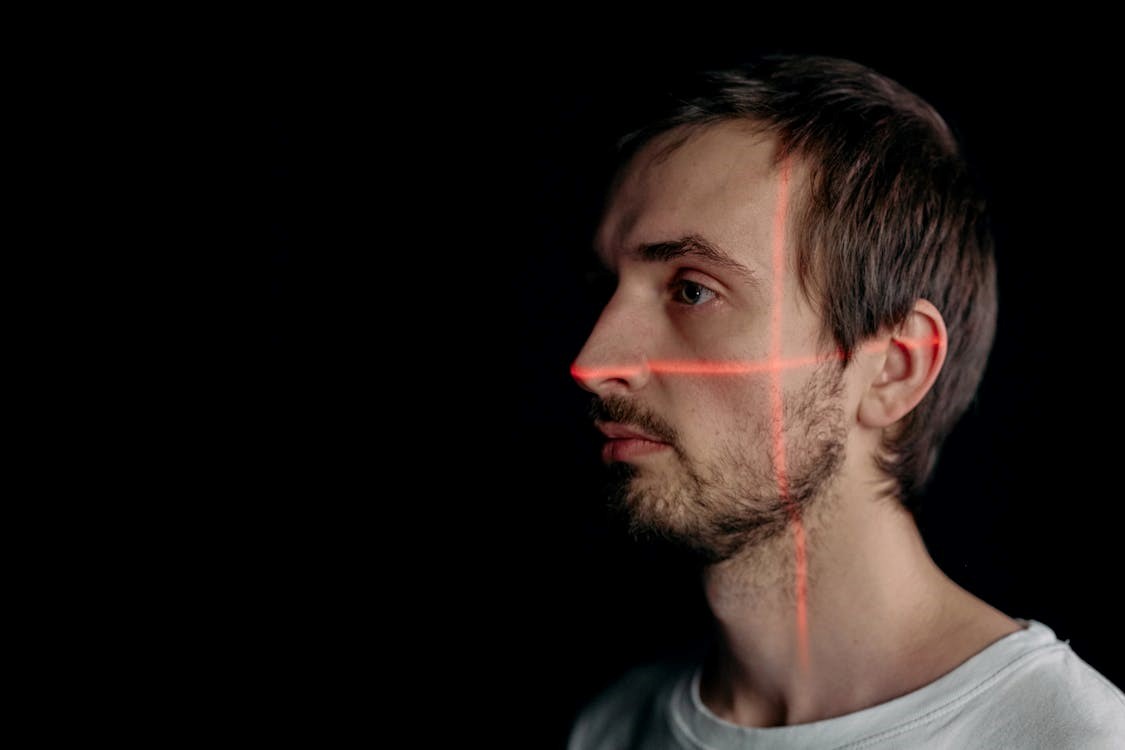
As one of the most common procedures for correcting vision, advanced LASIK technology is changing the way people see the world. From enhanced precision to quicker recovery times, this innovative procedure helps improve eyesight without the need for eyeglasses or contact lenses. Before embarking on the path to improved eyesight, it’s helpful to understand the basics of LASIK, its applications, and its potential risks and benefits.
What Is LASIK?
LASIK, which stands for laser-assisted in situ keratomileusis, is a type of laser eye surgery that improves vision clarity. The procedure involves reshaping the cornea, which can reduce or eliminate the need for glasses or contact lenses. It is performed by creating a small flap in the cornea, reshaping the underlying tissue using a laser, and then positioning the flap back into place.
Over the years, advanced LASIK technologies have been developed to improve the accuracy and outcomes of this procedure. One such innovation is the use of lasers to create the corneal flap without the use of a blade, providing even greater precision. While LASIK surgery involves the permanent reshaping of the cornea, changes in eyesight after the surgery are possible as part of the natural aging process.
What Conditions Does It Help Fix?
LASIK is commonly used to correct refractive errors. These irregularities in the eye prevent light from properly focusing on the retina, causing poor vision. The three most frequent conditions treated are myopia, hyperopia, and astigmatism.
Myopia, also known as nearsightedness, results in difficulty seeing objects at a distance. Hyperopia, or farsightedness, leads to trouble focusing on nearby objects. Astigmatism is characterized by blurred or distorted vision caused by an unevenly curved cornea or lens. LASIK aims to reshape the cornea, which helps light focus properly on the retina to sharpen vision.
Recent innovations are also expanding the possibilities for individuals with higher degrees of refractive errors. Candidacy for these procedures depends on unique factors like corneal thickness and overall eye health. Patients should consult an experienced ophthalmologist to determine if LASIK is the right option for their specific condition and needs.
What Are the Risks and Benefits?
Advances in LASIK technology have improved both safety and outcomes, but potential risks and benefits still exist. Benefits often include improved vision, reduced dependence on corrective eyewear, and long-term financial savings on glasses and contact lenses. Many patients also appreciate the convenience and lifestyle improvements that often come with better vision.
Risks, while rare, can include side effects such as dry eyes, glare, halos around lights, or temporary vision disturbances. These effects are often temporary and improve in the weeks following the procedure. Discuss these risks during a consultation and set realistic expectations based on individual factors.
A Clearer Future Awaits With Advanced LASIK
If you’re wondering whether advanced LASIK technology is the right vision correction option for you, it’s worth consulting a specialist for a comprehensive evaluation. This innovative procedure has transformed how many approach vision care, offering people a way to see and live more freely. Speak with a qualified ophthalmologist to learn more about your eye health and the treatment possibilities. Exploring your options can help you make an informed decision about your vision care needs. With the latest innovations in LASIK technology, a future of clearer vision could be within reach.