

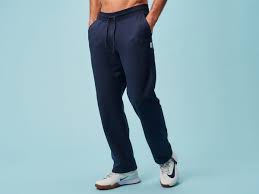
If you’re a petite woman who has ever stood in a fitting room surrounded by sweat pants that pool around your ankles, bunch at the waist, or make you look like you’re drowning in fabric, you’re far from alone. The struggle is real—women’s apparel sections often treat “petite” as an afterthought, offering limited styles that sacrifice comfort for a slightly shorter inseam without truly addressing proportional fit. Standard sizing assumes a taller frame, leaving shorter women constantly hemming, rolling, and compromising on the relaxed look they actually want.
Here’s an unexpected solution gaining traction in the fashion-forward petite community: men’s sweat pants. With their diverse size ranges, relaxed cuts, and often superior fabric weight, men’s options can actually deliver a better proportional fit for smaller frames—when you know how to shop them. This guide walks you through everything from decoding men’s size charts to styling your finds for a look that’s intentional, flattering, and entirely your own. Finding the perfect fit doesn’t require settling; it just requires knowing where to look.
Why Petite Women Are Turning to Men’s Sweat Pants
Standard women’s sweat pants present a consistent frustration for petite frames. Even designated “small” sizes typically assume a 28-30 inch inseam and proportions built for someone five foot four or taller. The result is excess fabric stacking at the ankles, crotch seams that sit too low, and waistbands that hit awkwardly above the natural waist. Women’s petite clothing lines exist, but they often limit choices to basic styles with minimal variety in fabric weight or silhouette.
Men’s sweat pants offer an unexpected advantage. Their sizing starts with extra-small options that correspond to a 26-28 inch waist—dimensions that align closely with many petite women’s measurements. The rise tends to be longer, which paradoxically works well on shorter torsos by preventing the low-slung look that plagues oversized women’s joggers. Men’s cuts also come in a wider range of leg shapes, from tapered to straight, giving petite shoppers more control over their final silhouette. This crossover approach reflects a broader shift toward fashion for all sizes—the idea that great fit isn’t about which department you shop in, but about understanding your measurements and choosing garments that honor your proportions. For petite women tired of settling, men’s sweat pants represent genuine choice rather than compromise.
Decoding the Men’s Sweat Pants Size Guide
The biggest hurdle when crossing into men’s sizing is understanding how the two systems differ fundamentally. Women’s sizes use abstract numbers—a size 2, 4, or 6—that vary wildly between brands and bear no direct relationship to actual body measurements. Men’s sizing, by contrast, tends to be measurement-based, typically expressed in inches for waist and inseam. This transparency actually works in your favor as a petite shopper because you can match your exact numbers to what’s on the label without guessing.
Three measurements matter most when consulting a men’s sweat pants size guide. First is the waist, measured at your natural waistline—not where you want the pants to sit, but where your body naturally narrows above the hips. For petite women, this often falls between 24 and 28 inches, corresponding to men’s XS or S. Second is the inseam, measured from your inner thigh to where you want the hem to land. Most petite women need 25-27 inches for a clean break at the ankle, and men’s XS joggers frequently deliver 27-28 inch inseams—far closer to ideal than women’s standard lengths. Third is the hip measurement, which men’s charts sometimes omit. Since men’s cuts allow more room through the hip and thigh, petite women with curvier proportions often find these styles more forgiving than restrictive women’s joggers.
When reading a men’s size chart, focus on the waist as your anchor measurement and treat the inseam as your deciding factor between sizes. If you fall between two waist sizes, choose the smaller one—elastic waistbands and drawstrings provide adjustment room. Also note that men’s “jogger” styles with elasticized ankle cuffs naturally gather excess length, making them more forgiving on shorter legs than straight-hem alternatives.
Step-by-Step Guide to Finding Your Perfect Fit
Shopping across gender lines sounds simple in theory, but walking into a store or browsing online without a plan often leads to frustration and returns. The key to success lies in preparation—knowing your numbers, understanding how they translate, and being willing to experiment with a critical eye. Here’s a structured approach that eliminates guesswork and gets you into the right pair faster.
Step 1: Accurate Body Measurements
Grab a flexible measuring tape and measure yourself in lightweight clothing or underwear. For your waist, wrap the tape around your natural waistline—the narrowest point above your navel—and record the number without pulling tight. Measure your hips at the widest point of your buttocks and upper thighs. For inseam, stand straight and have someone measure from your inner thigh crease down to the floor, then subtract based on where you want the hem to fall. Petite women typically subtract three to four inches for an ankle-grazing finish. Write these numbers down and keep them accessible on your phone for quick reference while shopping.
Step 2: Navigating Men’s Size Charts
With your measurements in hand, pull up the brand’s specific size chart—never assume consistency across brands. Match your waist measurement first, since this determines your base size. If your waist is 25 inches, you’ll likely land in men’s XS, which typically covers 26-28 inches and accommodates the difference through elastic and drawstring closures. Cross-reference your inseam against the listed length. Many brands now publish inseam measurements for each size, and jogger-style cuts with gathered ankles can effectively shorten the visual length by one to two inches without alteration.
Step 3: Trial and Adjustment Tips
When trying on, assess three things immediately: Does the waistband stay put when cinched without excessive bunching? Does the crotch seam sit within an inch or two of your natural crotch point? Does the leg opening hit at or above your ankle bone? If the waist works but length is slightly long, a simple hem or a single roll cuff solves the problem without a tailor. Consider ordering two adjacent sizes when shopping online—most retailers offer free returns, and comparing side by side reveals which proportions truly work for your frame rather than settling for “close enough.”
Styling Men’s Sweat Pants for a Petite Frame
Getting the right size is only half the equation—styling men’s sweat pants so they look intentional rather than borrowed requires a few deliberate choices that work with petite proportions rather than against them. The goal is creating visual balance, drawing the eye to your strengths, and ensuring the relaxed silhouette reads as a fashion choice rather than an oversight.
Start with proportional pairing. Men’s sweat pants carry more volume through the leg, so counterbalance that width with a fitted or cropped top. A tucked-in tank, a structured crop sweatshirt, or a slim-fitting long-sleeve tee creates definition at the waist and prevents the outfit from reading as shapeless. This contrast between fitted and relaxed is what separates styled from sloppy. If you prefer a longer top, choose one that hits at the high hip rather than mid-thigh to avoid shortening your visible leg line.
Cuffing is your most powerful tool for petite clothing customization. A clean, even roll at the ankle—one to two folds maximum—shortens the visual line without requiring permanent alterations and adds a polished detail that signals intention. Pair this with a visible shoe that elongates the leg: a pointed-toe mule, a low-profile sneaker, or a heeled ankle boot all work depending on the occasion. Avoid bulky shoes that compete with the pant volume.
Accessories tie everything together. A structured bag, layered jewelry, or a fitted jacket over men’s sweats immediately elevates the look. This approach to fashion for all sizes proves that petite women don’t need dedicated departments to look put-together—they need proportion awareness and confidence in mixing unexpected pieces into cohesive outfits that feel authentically theirs.
Comparing Men’s Sweat Pants to Women’s Apparel
The decision between men’s and women’s sweat pants isn’t binary—each option carries distinct advantages depending on what you prioritize. Men’s sweat pants excel in fabric weight, offering thicker materials that drape better on small frames without clinging. They also provide more generous cuts through the thigh and hip, which benefits petite women who carry curves but struggle with women’s sizes that assume a proportional relationship between waist and hip that doesn’t match their body. The drawstring waist system in men’s styles offers infinite adjustability that elastic-only women’s options simply cannot match.
Women’s apparel still wins in certain scenarios. When you need a streamlined, body-conscious fit for layering under dresses or pairing with heels, women’s joggers with their narrower leg openings and shorter rises create a sleeker line. Women’s options also tend to offer more color variety and trend-driven details like high-rise waistbands or side slits that men’s basics rarely include. Brands like Baleaf Sports have expanded their activewear lines to include options with varied inseam lengths, which can be particularly helpful for petite shoppers seeking that middle ground. The smartest approach for petite women building a versatile wardrobe is blending both: men’s sweat pants for weekend comfort, lounging, and oversized streetwear looks, and women’s styles for polished athleisure moments that demand a closer fit. Shopping across both departments doubles your options and ensures you’re never limited by arbitrary category boundaries—choose whichever garment honors your measurements and serves your style goals best.
Shop Smarter: Let Your Measurements Guide Your Wardrobe
The path to perfectly fitting sweat pants doesn’t have to run exclusively through the women’s department. As this guide demonstrates, men’s sweat pants offer petite women a legitimate alternative that solves many of the proportion problems standard women’s sizing creates—longer rises that prevent sagging, measurement-based sizing that eliminates guesswork, and fabric weights that drape rather than cling. The key lies in preparation: knowing your exact waist, hip, and inseam measurements, understanding how to read men’s size charts with confidence, and approaching the fitting process with clear criteria for what works.
Beyond fit, styling transforms these pieces from borrowed-looking basics into intentional fashion statements. Proportional pairing, strategic cuffing, and thoughtful accessorizing prove that fashion for all sizes isn’t just a slogan—it’s a practical reality when you stop letting department labels dictate your choices. Whether you commit fully to men’s options or blend them with women’s apparel for maximum versatility, the principle remains the same: your measurements matter more than marketing categories. Take your numbers, trust the size guide, experiment without hesitation, and build a wardrobe that fits your body exactly as it is. The perfect pair of sweat pants exists—it might just be hanging in an aisle you haven’t explored yet.