

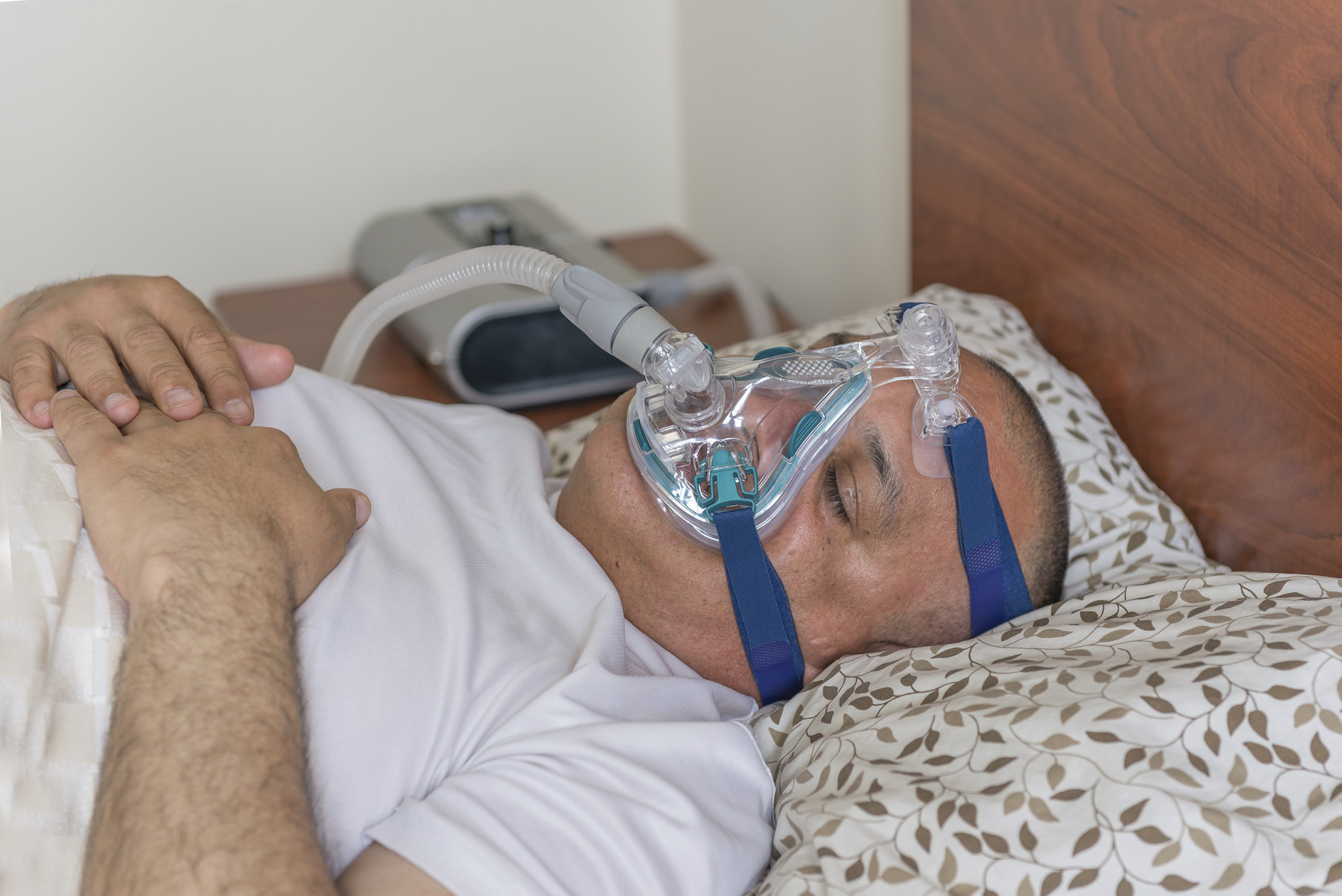
For many people, snoring is just an annoying nighttime habit—something to joke about with a partner or brush off as harmless. But for others, it’s a red flag for a much more serious condition: sleep apnea. This sleep disorder doesn’t just disrupt rest; it can also lead to life-threatening health complications if left untreated. Thankfully, one powerful solution has been quietly changing lives in bedrooms around the world: the sleep apnea machine, most commonly in the form of a CPAP (Continuous Positive Airway Pressure) device.
Understanding Sleep Apnea: More Than Just a Snore
Sleep apnea is far more common than many realize. According to the American Sleep Apnea Association, over 22 million Americans suffer from it—and many go undiagnosed. The most common form, obstructive sleep apnea (OSA), occurs when the muscles at the back of the throat relax too much during sleep, blocking the airway. As a result, breathing repeatedly stops and starts throughout the night. These interruptions can happen dozens or even hundreds of times in a single night, 睡眠呼吸機 pulling the body out of deep, restorative sleep each time and depriving it of much-needed oxygen.
While many people associate sleep apnea with loud snoring, the consequences are more than just noise. Fatigue, irritability, poor concentration, and memory issues are just the tip of the iceberg. Over time, untreated sleep apnea has been linked to serious health issues, including high blood pressure, heart disease, type 2 diabetes, stroke, and even an increased risk of sudden death during sleep.
Enter the CPAP: A Lifeline in the Night
CPAP machines are the most widely used and effective treatment for moderate to severe obstructive sleep apnea. These devices work by delivering a constant stream of pressurized air through a mask, keeping the airway open during sleep. It might not sound glamorous—and at first, the idea of wearing a mask to bed can feel intimidating—but for millions of users, CPAP therapy is nothing short of life-changing.
When people begin using a CPAP machine, one of the first things they often report is an immediate improvement in how they feel upon waking. Suddenly, mornings don’t start with grogginess and headaches. Instead, users feel refreshed, more alert, and better able to face the day. Their partners also benefit, as the machine eliminates the disruptive snoring that may have been keeping them awake for years.
Long-Term Benefits: Restoring Health from the Inside Out
The most significant impact of CPAP therapy goes beyond better sleep quality. Restoring regular oxygen levels during sleep helps reduce stress on the heart and other organs. Blood pressure often improves, risks of heart arrhythmias and stroke decline, and blood sugar levels can stabilize in people with diabetes. There’s even evidence that consistent CPAP use can reduce the risk of Alzheimer’s disease by improving sleep quality and brain oxygenation.
In essence, using a sleep apnea machine doesn’t just help you sleep—it helps you live longer and healthier.
Overcoming the Initial Challenges
Admittedly, adjusting to a CPAP machine can take time. The sensation of wearing a mask can feel strange at first, and some users may experience dryness, nasal congestion, or slight claustrophobia. However, most of these issues can be resolved with proper mask fitting, using a humidifier, and choosing the right machine settings. Sleep specialists and durable medical equipment providers are trained to help patients troubleshoot and find the best solutions for comfort.
There’s also a psychological adjustment involved. For some, wearing a machine to bed feels like a reminder that they have a medical condition. But over time, many users come to see the CPAP not as a burden but as a tool of empowerment—something that gives them control over their health and quality of life.
Modern Machines: Sleeker, Smarter, and More Comfortable
Today’s CPAP machines are far from the clunky devices of the past. Many are compact, quiet, and feature smart technology that tracks sleep data, adjusts air pressure automatically, and even syncs with mobile apps. Some are so discreet that they can be used while traveling or camping, with battery options that make them perfect for people on the go.
This technological progress has made it easier than ever for people to stick with their therapy and make it part of their nightly routine.
Final Thoughts: Don’t Sleep on Sleep Apnea
If you or someone you love snores loudly, wakes up gasping for air, or experiences chronic fatigue despite sleeping for 7–8 hours, it’s worth getting checked for sleep apnea. A sleep study—either in a clinic or with an at-home testing kit—can provide the answers and open the door to treatment options like CPAP therapy.
Sleep is not a luxury—it’s a foundation of good health. And thanks to advancements in sleep apnea machines, millions of people are finally breathing easy and living better. It’s time we stopped shrugging off snoring and started treating it as the potential health hazard it truly is.