

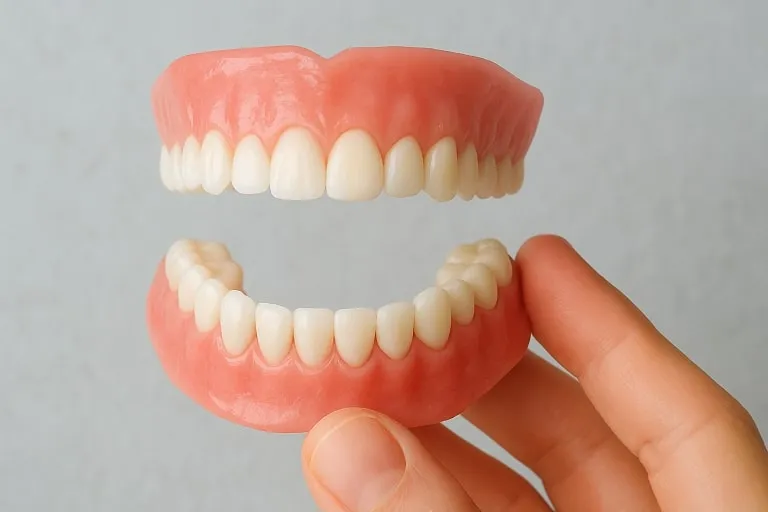
Missing teeth can affect daily life. Eating may feel harder. Speaking may feel different. Smiling may also feel less natural. Dentures can help restore comfort and confidence.
Two common options are full dentures and partial dentures. Both replace missing teeth. But they are used for different needs. This guide explains the difference in simple words.
What Are Full Dentures
Full dentures replace all teeth in the upper jaw or lower jaw. Some people need them for both jaws.
Who may need full dentures
You may need full dentures if all natural teeth are missing or need removal. Full dentures in Cudahy can help people restore a full smile when natural teeth can no longer support chewing.
How full dentures work
Full dentures sit on your gums. The upper denture may cover the roof of your mouth. The lower denture rests on the lower gum ridge.
They are made to match your mouth shape. A good fit helps with comfort and daily use.
What Are Partial Dentures
Partial dentures replace some missing teeth. They are used when you still have healthy natural teeth left.
Who may need partial dentures
You may need partial dentures if you have gaps but still have strong teeth. partial dentures in Cudahy can fill these gaps and help stop nearby teeth from shifting.
How partial dentures stay in place
Partial dentures may use clasps or special attachments. These connect to nearby teeth and help keep the denture steady.
Full Dentures vs Partial Dentures at a Glance
| Feature | Full Dentures | Partial Dentures |
| Best for | All teeth missing | Some teeth missing |
| Support | Gums and jaw ridge | Natural teeth and gums |
| Fit | Full upper or lower arch | Gaps between teeth |
| Stability | May need adhesive | Often uses clasps |
| Main goal | Restore full smile | Save smile balance |
Main Differences Between Full and Partial Dentures
Number of missing teeth
This is the biggest difference. Full dentures are for people missing all teeth in one arch. Partial dentures are for people missing only some teeth.
Fit and comfort
Full dentures cover more of the mouth. They may take more time to get used to. Partial dentures are smaller in many cases. They may feel easier at first because they work with your natural teeth.
Chewing support
Both options help with chewing. Full dentures replace a full set of teeth. Partial dentures help balance chewing where teeth are missing.
You may still need time to learn how to chew with either option. Soft foods are helpful in the beginning.
Speech adjustment
Dentures can affect speech at first. Some words may feel harder to say. This is normal. Reading out loud can help your tongue and mouth adjust.
Benefits of Full Dentures
Restores a full set of teeth
Full dentures can bring back a complete smile. They help fill the mouth when all teeth are gone.
Supports facial appearance
Teeth support the cheeks and lips. When teeth are missing the face may look sunken. Full dentures can help support a fuller facial look.
Helps with eating and speaking
Full dentures make it easier to chew many foods compared to having no teeth. They can also help speech become clearer once you adjust.
Can be a budget friendly option
Full dentures are often more affordable than some other tooth replacement options. The cost depends on material fit and the care needed.
Benefits of Partial Dentures
Replaces missing teeth without removing healthy teeth
Partial dentures fill gaps while keeping your healthy teeth in place. This makes them useful when several teeth are still strong.
Helps stop teeth from shifting
When a tooth is missing nearby teeth can move into the gap. Partial dentures help hold space and protect bite balance.
Improves chewing balance
Gaps can make chewing uneven. Partial dentures help spread pressure more evenly across the mouth.
Can be easier to adjust to
Since partial dentures do not replace every tooth many people find them easier to manage at first.
Possible Downsides of Full Dentures
Takes time to get used to
Full dentures may feel bulky in the beginning. Your gums and mouth need time to adjust.
May feel loose at first
Some movement can happen while speaking or eating. A better fit and regular practice can help.
Needs regular fit checks
Your gums and jaw can change over time. This may make dentures feel loose. A Dentist in Cudahy can check the fit and suggest adjustments when needed.
Possible Downsides of Partial Dentures
Clasps may be visible
Some partial dentures use metal clasps. These may show when you smile or speak. Tooth colored options may be available in some cases.
Remaining teeth need strong care
Partial dentures depend on nearby teeth. So brushing, flossing and regular dental visits are very important.
May need adjustments over time
Like full dentures partial dentures can also need changes. Your mouth can shift and the denture may feel different later.
Which Option Feels More Comfortable
Comfort depends on fit more than the type of denture. A denture that is made well will feel better and work better.
Your gums also matter. Sore gums can make dentures painful. This is why cleaning your mouth and dentures every day is important.
People looking for custom dentures in Cudahy should ask about fit material and follow up visits. Custom fit can make daily use more comfortable.
Which Option Looks More Natural
Both full and partial dentures can look natural. The result depends on tooth shape, shade gum color and fit.
A good denture should match your face and smile. It should not look too large or too bright. Natural looking dentures blend with your mouth and support your facial shape.
Partial dentures may look very natural because they sit beside real teeth. Full dentures can also look natural when designed with care.
Cost Difference Between Full and Partial Dentures
The cost can vary. Full dentures may cost more if both upper and lower sets are needed. Partial dentures may cost less or more depending on the number of missing teeth and the material used.
The cheapest option is not always the best. Poor fitting dentures can cause pain, sore spots and eating problems. A better fit can save trouble later.
Care and Cleaning Comparison
Daily brushing
Both full and partial dentures need daily brushing. Use a soft denture brush. Do not scrub too hard.
Safe soaking
Most dentures should stay moist when not in use. Soaking can help keep their shape and remove buildup.
Cleaning remaining teeth
If you wear partial dentures, clean your natural teeth very well. Food can collect around clasps and gaps.
Regular dental visits
Dental visits help keep dentures fitting well. Your dentist can also check gums and remaining teeth.
How to Choose Between Full and Partial Dentures
The right choice depends on your mouth. If all teeth are missing, full dentures may be the better option. If some healthy teeth remain, partial dentures may work better.
Think about comfort, appearance , cost and daily care. Also think about your long term oral health.
A dental exam is the best way to decide. Your dentist can check your gums remaining teeth bite and jaw shape. Then you can choose an option that fits your smile and lifestyle in Cudahy.
FAQs
Are full dentures better than partial dentures
Full dentures are better when all teeth are missing. Partial dentures are better when some healthy teeth remain. The best choice depends on your mouth health comfort needs and dentist recommendation.
Can partial dentures become full dentures later
Yes. If remaining teeth are lost later then partial dentures may no longer fit. Your dentist may suggest full dentures or another replacement option based on your mouth condition.
How long does denture adjustment usually take
Many people need a few weeks to adjust. Eating and speaking may feel strange at first. With practice and proper fit dentures usually become more comfortable over time.