

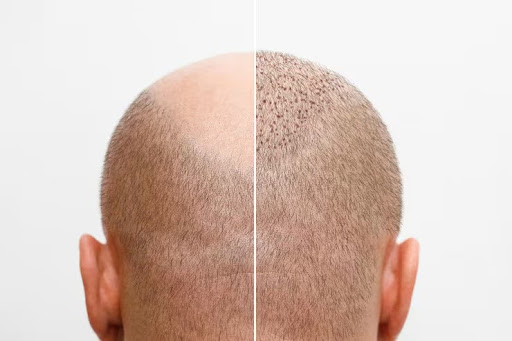
Hair loss is a common problem that affects millions of people worldwide. Some people notice thinning hair, while others may develop bald patches over time. Hair loss can occur due to genetics, aging, hormonal changes, stress, medical conditions, or lifestyle habits. Losing hair can affect confidence and self-esteem, which is why many people search for effective and long-term solutions. One widely used medical procedure for hair restoration is a hair transplant.
A hair transplant is a surgical method that restores hair in areas where it has stopped growing. It uses the patient’s own healthy hair to fill in thinning or bald regions, resulting in natural-looking and permanent results.
How Hair Restoration Surgery Works
The procedure involves transferring strong hair follicles from a donor area to areas where hair growth has slowed or stopped. The donor area is usually the back or sides of the scalp because hair in these regions is resistant to hair loss.
Before performing the surgery, doctors conduct a detailed consultation. They examine the scalp, hair density, and overall scalp health to create a customized treatment plan. Medical centers like Gold City provide professional evaluation and guidance to ensure the treatment is tailored to the patient’s needs.
During the surgery, local anesthesia is used so that the patient remains awake but does not feel pain. Hair follicles are carefully extracted and implanted into the target areas in a way that matches the natural hair direction.
Techniques Used in Modern Hair Transplantation
Modern hair transplantation techniques are designed to provide natural results while minimizing discomfort. Two of the most commonly used methods are FUE (Follicular Unit Extraction) and DHI (Direct Hair Implantation).
FUE involves removing individual hair follicles from the donor area and implanting them into the thinning or bald areas. This technique does not require stitches and leaves very tiny marks that heal quickly.
DHI uses a special pen-like tool to implant hair follicles directly, which allows the doctor to control hair direction, angle, and density precisely. Both techniques aim to create natural-looking results with minimal downtime. More information about these methods can be found at hair transplantation.
Who Can Benefit from Hair Restoration?
Hair restoration surgery is suitable for individuals with stable hair loss and a healthy donor area. Common candidates include people with male or female pattern baldness, thinning hair, or hair loss caused by injuries or previous surgeries.
However, not everyone may be suitable for the procedure. People with severe medical conditions or insufficient donor hair may need alternative treatments. That is why consultation with a professional is crucial before deciding on the procedure.
Advantages of Hair Restoration Surgery
One of the biggest advantages of this procedure is that the results are long-lasting. Transplanted hair continues to grow naturally because it comes from areas that are resistant to hair loss.
Another key benefit is the natural appearance. When performed correctly, the new hair blends seamlessly with existing hair and can be washed, cut, or styled just like normal hair. Many patients also experience an increase in confidence and improved self-esteem after restoring their hair.
Since the surgery uses the patient’s own hair, the risk of rejection or allergic reaction is minimal. This makes hair restoration surgery a safe and reliable solution for hair loss.
Recovery and Hair Growth Timeline
After the procedure, mild swelling, redness, or small scabs may appear on the scalp. These effects are normal and usually fade within a few days. Patients are given aftercare instructions to protect the scalp and support healing.
In the first few weeks, some transplanted hair may fall out. This is a normal part of the healing process. New hair growth typically begins three to four months after the surgery. Hair gradually thickens over time, with full results usually visible within nine to twelve months.
Selecting the Right Clinic
Choosing the right clinic is essential for a successful outcome. Important factors include the surgeon’s experience, hygiene standards, medical equipment, and patient care. Clinics that specialize in Hair transplant procedures often provide customized solutions based on hair type, age, and level of hair loss. This ensures natural-looking results that suit the individual’s appearance.
Key Considerations Before Surgery
Before deciding on hair restoration surgery, it is important to understand the procedure, expected outcomes, and potential risks. A detailed consultation helps determine whether the surgery is suitable. Patients should also discuss recovery, post-operative care, and cost before making a final decision.
Conclusion
Hair restoration surgery is a reliable and effective solution for people dealing with hair loss. With modern techniques, professional planning, and proper aftercare, it can provide natural-looking, long-lasting results. Understanding the procedure, benefits, and recovery process allows individuals to make informed decisions and regain confidence with their hair.