

Introduction
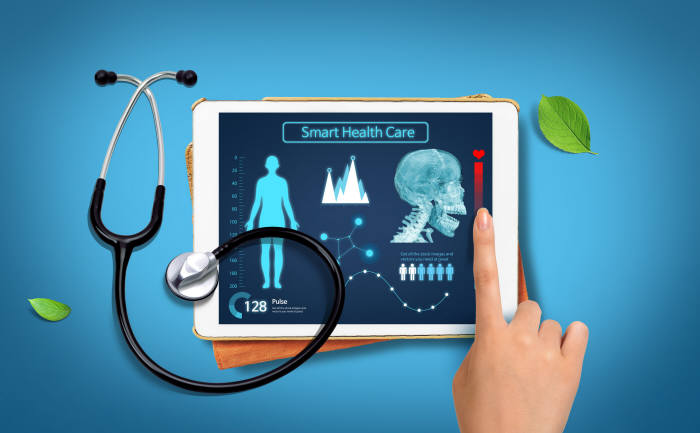
In the ever-evolving landscape of healthcare, home health monitoring has emerged as a revolutionary approach to patient care. It involves the use of various devices and technologies to monitor health parameters in the comfort of one’s home, providing a seamless connection between patients and healthcare providers.
Benefits of Home Health Monitoring
Convenience and Comfort
One of the primary advantages of home health monitoring is the convenience it offers to individuals managing chronic conditions or undergoing postoperative care. Patients can monitor their health without the need for frequent visits to healthcare facilities.
Cost-Effectiveness
Home health monitoring proves to be cost-effective in the long run. Reduced hospital visits and early detection of health issues can contribute to significant cost savings for both patients and healthcare systems.
Timely Detection of Health Issues
Early detection is crucial in managing health conditions effectively. Home health monitoring devices provide real-time data, allowing healthcare providers to identify potential issues promptly and intervene when necessary.
Types of Home Health Monitoring Devices
Wearable Devices
Wearable technologies like smartwatches and fitness trackers have evolved to incorporate health monitoring features. These devices can track vital signs, physical activity, and even sleep patterns.
Smart Home Devices
Smart home devices, such as smart scales and blood pressure monitors, are designed for seamless integration into daily life. They provide continuous health data without requiring active user engagement.
Remote Patient Monitoring Systems
Dedicated remote patient monitoring systems connect patients to healthcare providers. These systems transmit real-time data, enabling healthcare professionals to monitor and assess patients’ health remotely.
Popular Home Health Monitoring Technologies
Blood Pressure Monitors
Home blood pressure monitors empower individuals to monitor their blood pressure regularly. This is particularly beneficial for those with hypertension or other cardiovascular conditions.
Glucose Monitoring Systems
Patients with diabetes can benefit from home glucose monitoring systems, allowing them to manage their blood sugar levels more effectively.
ECG Devices
Electrocardiogram (ECG) devices enable individuals to monitor their heart’s electrical activity at home, providing valuable insights for those with cardiac conditions.
How Home Health Monitoring Works
Data Collection Process
Home health monitoring devices collect a variety of health data, including vital signs, activity levels, and specific health metrics depending on the device.
Transmission of Data to Healthcare Providers
The collected data is transmitted securely to healthcare providers, enabling them to access real-time information about the patient’s health status.
Real-time Monitoring
Healthcare providers can monitor patients in real time, allowing for timely interventions and adjustments to treatment plans based on the received data.
Privacy and Security Concerns
Importance of Data Encryption
Ensuring the privacy and security of health data is paramount. Home health monitoring devices must employ robust data encryption measures to protect sensitive information.
Compliance with Healthcare Regulations
Manufacturers of home health monitoring devices need to adhere to healthcare regulations to guarantee the safety and privacy of users’ health information.
User Education on Privacy Measures
Users must be educated on best practices for maintaining the privacy and security of their health data, including setting strong passwords and updating device firmware regularly.
Integration with Telemedicine
Facilitating Virtual Doctor-Patient Interactions
Home health monitoring seamlessly integrates with telemedicine, enabling virtual consultations between patients and healthcare providers.
Enhancing Healthcare Accessibility
Telemedicine, combined with home health monitoring, improves access to healthcare for individuals in remote or underserved areas.
Improving Follow-up Care
Regular virtual check-ins based on home health monitoring data enhance follow-up care, ensuring that patients receive the necessary support and adjustments to their treatment plans.
Challenges and Solutions
User Adherence and Engagement
Encouraging users to consistently utilize home health monitoring devices can be challenging. Education and ongoing support are essential to promote adherence.
Technical Issues and Device Compatibility
Addressing technical issues and ensuring compatibility between different devices are ongoing challenges that manufacturers and healthcare providers must actively address.
Continuous Improvement in Technology
The fast-paced nature of technology requires continuous updates and improvements to ensure that home health monitoring devices remain effective and user-friendly.
Future Trends in Home Health Monitoring
Artificial Intelligence and Predictive Analytics
The integration of artificial intelligence and predictive analytics will enhance the capability of home health monitoring devices to provide personalized health insights and early warnings.
Advancements in Sensor Technologies
Ongoing advancements in sensor technologies will lead to more accurate and versatile home health monitoring devices, expanding their range of applications.
Personalized Health Insights
Future home health monitoring devices will provide increasingly personalized insights, allowing individuals to tailor their health management strategies based on their unique needs.
Case Studies
Success Stories of Home Health Monitoring
Numerous individuals have experienced improved health outcomes through consistent home health monitoring. These success stories highlight the positive impact of these technologies on people’s lives.
Impact on Patient Outcomes
Research studies and real-world examples demonstrate the positive impact of home health monitoring on patient outcomes, showcasing its potential to enhance overall healthcare quality.
Considerations for Choosing Home Health Monitoring Devices
Compatibility with Existing Health Tech
Individuals should consider the compatibility of home health monitoring devices with existing health technologies and electronic health records for seamless integration.
User-Friendly Interface
The ease of use and user-friendly interface of personal emergency alert system devices play a crucial role in their effectiveness and user satisfaction.
Integration with Electronic Health Records
Choosing devices that seamlessly integrate with electronic health records ensures that healthcare providers have comprehensive and up-to-date information about the patient.
Recommendations for Effective Use
Regular Device Maintenance
Routine maintenance, including software updates and battery checks, is essential to ensure the continued accuracy and reliability of home health monitoring devices.
Communication with Healthcare Providers
Open communication with healthcare providers regarding the data generated by home health monitoring devices is crucial for effective and collaborative care.
Taking Prompt Action on Alerts
Users should be proactive in responding to alerts generated by home health monitoring devices, seeking timely medical attention when necessary.
User Testimonials
Real Experiences with Home Health Monitoring
Users share their firsthand experiences with home health monitoring, describing how these technologies have positively impacted their daily lives and health management.
Positive Impacts on Daily Life
Home health monitoring goes beyond medical benefits, positively influencing daily routines and empowering individuals to take control of their health.
Conclusion
In conclusion, home health monitoring represents a transformative shift in healthcare delivery, bringing the benefits of real-time monitoring and personalized care to individuals’ doorsteps. Embracing these technologies not only enhances convenience but also contributes to improved health outcomes and a proactive approach to well-being.
Frequently Asked Questions (FAQs)
How accurate are home health monitoring devices?
Home health monitoring devices are designed for accuracy, with advancements in technology continually improving their precision. However, individual device accuracy may vary, so it’s essential to choose reputable brands.
Can I use multiple devices from different manufacturers?
In some cases, interoperability between devices from different manufacturers may be possible, but it’s advisable to choose devices within the same ecosystem for seamless integration and data consistency.
What should I do if I experience technical issues with my device?
If you encounter technical issues, consult the device manual for troubleshooting steps. If problems persist, contact the device manufacturer’s customer support for assistance.
Are there any privacy risks associated with home health monitoring?
Privacy risks exist, but manufacturers implement robust security measures. Users should follow best practices, such as setting strong passwords and updating firmware, to mitigate potential risks.
How often should I consult with my healthcare provider based on the data received?
The frequency of consultations depends on individual health conditions and healthcare provider recommendations. Regular check-ins, especially in response to significant changes in monitoring data, are advisable for proactive healthcare management.