

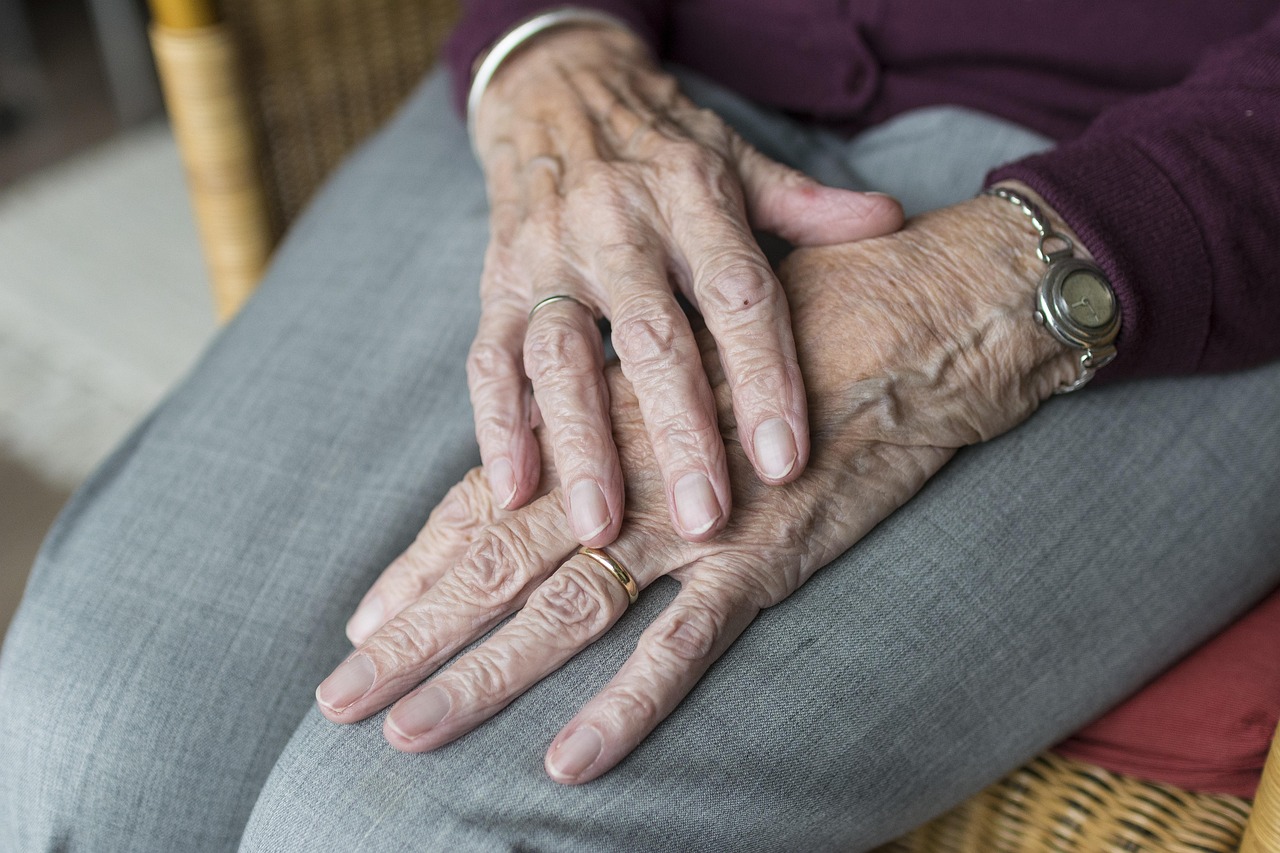
Elder abuse in care homes is a deeply concerning issue that affects thousands of vulnerable residents every year. Families who place their loved ones in nursing homes trust that they will receive quality care, compassion, and safety. Unfortunately, that trust is sometimes broken. Recognizing signs of abuse and knowing how to respond are essential to protect loved ones and ensure accountability.
This article provides a clear, step-by-step guide on what families should do if they suspect abuse in a care home setting.
Understanding the Types of Abuse in Care Facilities
Elder abuse in nursing homes can take several forms. It’s important for families to be aware of the various types so they can spot red flags early.
Physical Abuse
Physical abuse includes hitting, slapping, shoving, or restraining residents inappropriately. Unexplained bruises, cuts, broken bones, or frequent hospital visits may indicate physical mistreatment.
Emotional or Psychological Abuse
Emotional abuse is less visible but equally damaging. It can involve yelling, belittling, isolating residents, or threatening them. Signs include withdrawal, depression, anxiety, or sudden changes in behavior.
Sexual Abuse
This type of abuse involves any non-consensual sexual contact. Families should be alert to signs such as bruises around sensitive areas, torn clothing, or expressions of fear around staff members.
Neglect
Neglect occurs when staff fail to provide necessary care, such as food, water, hygiene, or medical assistance. Indicators may include bedsores, weight loss, poor hygiene, or infections.
Financial Exploitation
This involves unauthorized access to or control of a resident’s money or property. Watch for missing belongings, sudden financial changes, or unusual bank activity.
Warning Signs Families Should Watch For
Families are often the first line of defense when it comes to identifying abuse. Warning signs may vary, but common indicators include:
- Frequent falls or injuries without clear explanations
- Sudden emotional changes, such as fear or anger
- Poor personal hygiene or unsanitary living conditions
- Missing medications or unexplained medication changes
- Staff being evasive when asked about the resident’s condition
Regular visits and close communication with both staff and the resident can help families notice these issues early.
What to Do If You Suspect Abuse
If you notice signs of potential abuse, take action promptly. Early intervention can protect your loved one and prevent further harm to others in the facility.
Document Everything
Begin by keeping detailed notes. Record any physical signs, behavioral changes, and conversations with staff. Take photos if appropriate and safe. This documentation will be critical if legal action is necessary.
Talk to the Resident
Approach your loved one calmly and privately. Ask open-ended questions to understand their experience. Sometimes, residents are afraid to speak out due to fear of retaliation or feelings of helplessness. Reassure them that they are safe and that you believe them.
Report to Care Home Administration
Bring your concerns to the attention of the nursing home administrator or supervisor. Request a meeting and present your documentation. Ask for an internal investigation and follow up regularly.
Contact Adult Protective Services (APS)
If the situation does not improve or is urgent, contact your state’s Adult Protective Services. APS can investigate claims of elder abuse and coordinate with law enforcement if needed. Each state has its own process and hotline.
File a Complaint with State Authorities
You can also file a formal complaint with the agency that oversees care home licensing in your state. For example, in California, this is the Department of Social Services, Community Care Licensing Division. These agencies have the power to conduct formal investigations and take disciplinary action.
Consult a Legal Professional
When abuse is suspected, it’s often necessary to seek legal advice. A lawyer specializing in nursing home abuse can help you understand your options, whether that means filing a civil lawsuit, reporting to authorities, or seeking compensation.
If you’re unsure where to start, you may consider contacting Arias Sanguinetti Trial Lawyers, who have extensive experience in representing victims of elder abuse.
Legal and Advocacy Resources for Families
Several resources are available for families seeking justice or support:
- Legal directories provide information about law firms that handle elder abuse cases.
- A guide to nursing home abuse offers detailed information on legal definitions, reporting procedures, and legal remedies.
In addition to legal support, consider joining a family council or advocacy group that works to improve care home conditions in your community.
Protecting Your Loved One in the Long Term
Addressing the immediate issue is only one part of protecting your loved one. Families should also take steps to ensure long-term safety and quality care.
Move to a Safer Facility
If abuse or neglect continues or you lose trust in the facility, relocating your loved one may be the best option. Do thorough research, read state inspection reports, and visit multiple facilities before making a decision.
Request a Care Plan Review
Request a meeting with the care home to revisit and revise your loved one’s care plan. Ensure that appropriate medical, nutritional, and psychological needs are addressed regularly and by qualified professionals.
Stay Involved
Regular visits, unannounced check-ins, and participation in care plan meetings can help maintain oversight. When families are visible and active, care homes are more likely to stay attentive.
Advocating for Systemic Change
Beyond individual cases, families can play a role in broader reform efforts. This includes:
- Supporting legislation that increases oversight of nursing homes
- Demanding transparency in care home inspections and staffing records
- Advocating for better staff training and higher staff-to-resident ratios
- Sharing your story to raise awareness about elder abuse
By standing up for your loved one and others, you can help improve care standards across the industry.
Conclusion
Suspecting nursing home abuse is a difficult and emotional experience for any family. However, prompt and informed action can make a significant difference. By recognizing the signs, documenting evidence, contacting authorities, and seeking legal counsel, families can protect their loved ones and seek accountability from negligent facilities. Support is available, and no one should have to navigate this journey alone.

As a journalist, Leland Bengtson dedicated most of his career to law reporting. His greatest satisfaction is to convey legal matters to the public in a language that they can understand. He is ac
tive on various platforms and media outlets, writing about common legal issues that people confront every day. While medical malpractice is his strong suit, Leland covers plenty of other topics, including personal injury cases, family law, and other civil and even criminal legal matters.