

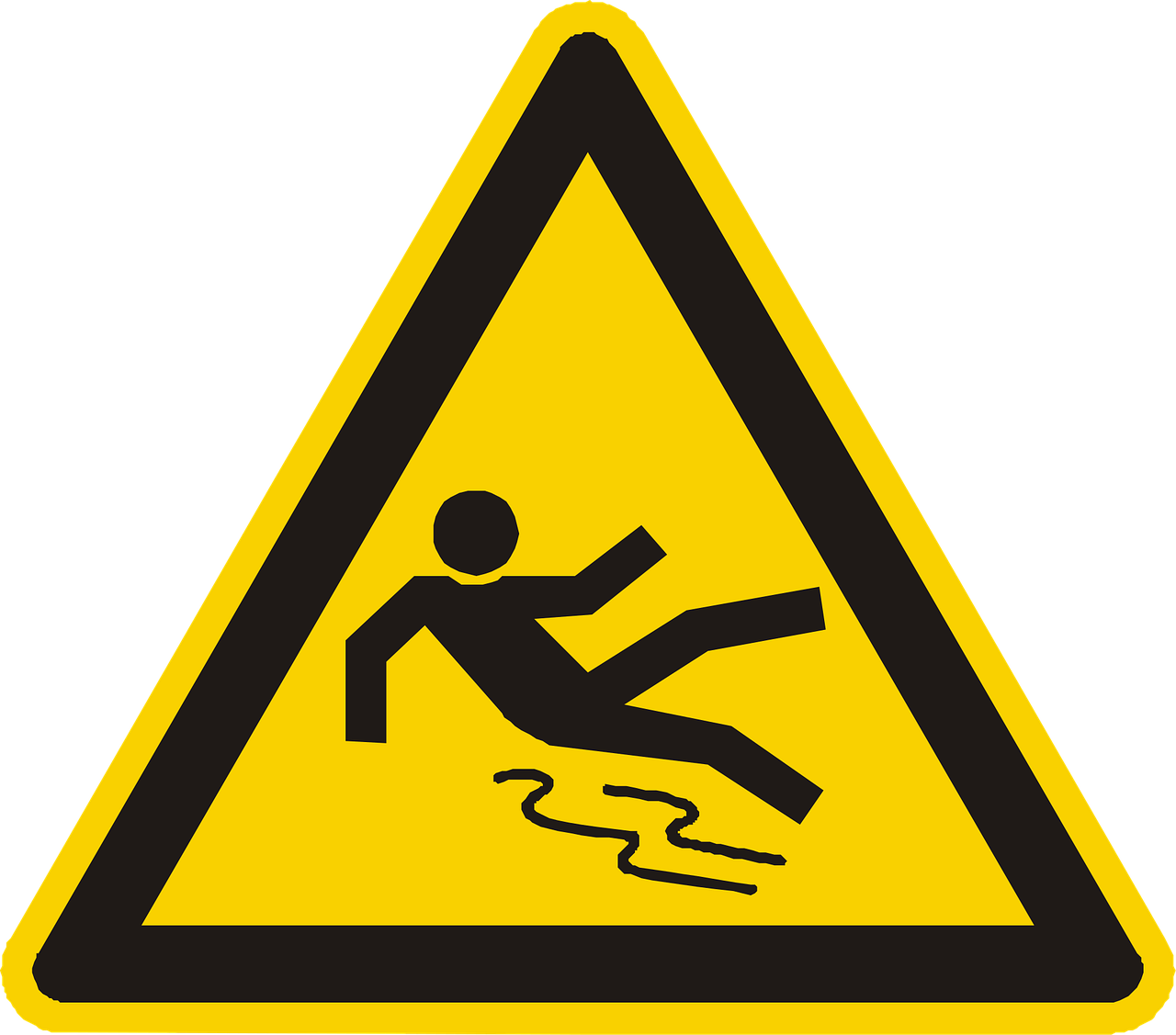
When you’re injured on someone else’s property—whether at a store, in a parking lot, or at a private residence—it can be difficult to know what to do next. Incidents like slips, trips, and falls caused by hazardous conditions can lead to serious injuries, medical expenses, and lost wages. Knowing the right steps to take after a hazardous property incident is essential to protecting your health, preserving evidence, and securing your legal rights.
This guide will walk you through the key actions to take following a hazardous property incident to ensure your well-being and support any future claims you may need to pursue.
Seek Immediate Medical Attention
Your Health Comes First
The first and most critical step after any accident is to assess your physical condition. Even if you feel fine initially, injuries such as concussions, soft tissue damage, or internal bleeding might not show symptoms right away. It’s important to:
- Call 911 if you or someone else is seriously injured.
- Visit an urgent care center or emergency room for evaluation.
- Keep all medical records, test results, and follow-up instructions.
Prompt medical attention not only ensures proper care but also documents the injury, which is crucial if legal action becomes necessary.
Report the Incident
Notify the Property Owner or Manager
As soon as it is safe to do so, report the incident to the property owner, landlord, or manager. Whether the incident occurred at a business or residential location, official notification creates a formal record. Be sure to:
- File an incident report and ask for a copy.
- Include accurate details: the time, location, cause, and any visible hazards.
- Avoid making statements that suggest fault, such as apologizing or admitting you weren’t paying attention.
Document the Scene
Preserve Evidence of the Hazard
Physical evidence can disappear quickly, especially in public places. It’s essential to collect documentation immediately following the incident:
- Photographs: Take pictures of the hazardous condition from multiple angles. Include wide shots and close-ups.
- Witness Information: If anyone saw the incident occur, get their names and contact details.
- Personal Notes: Write down what happened while it’s still fresh in your mind. Include the condition of the floor or surface, lighting, and any warning signs (or lack thereof).
Avoid Speaking with Insurance Representatives
Be Cautious About Communication
After an incident, you may be contacted by insurance adjusters or representatives for the property owner. While they may seem helpful, their priority is often minimizing the payout for claims.
- Don’t provide a recorded statement without legal representation.
- Don’t accept any settlement offers until you understand the full extent of your injuries and damages.
- Refer any communications to your attorney.
Understand Premises Liability Law
Know Your Legal Rights
Hazardous property incidents often fall under premises liability law, which holds property owners and occupiers responsible for maintaining safe conditions. To hold a property owner liable, you typically must prove:
- A dangerous condition existed.
- The property owner knew or should have known about it.
- They failed to address or warn about the condition.
- Your injuries were directly caused by the hazard.
Every state has its own legal standards and deadlines, known as statutes of limitations, so it’s important to act promptly.
You can learn more about slip and fall injury law and legal processes on FindLaw, a reputable legal resource.
Consult a Personal Injury Attorney
Protect Your Right to Compensation
In many cases, injured individuals may be entitled to compensation for medical bills, lost wages, pain and suffering, and more. Speaking with an experienced attorney helps you understand your rights and options.
A Fort Lauderdale slip and fall accident lawyer can evaluate your case, help you collect necessary documentation, and negotiate with insurance companies or pursue litigation if necessary.
When choosing a lawyer, it’s important to select someone with a strong track record in premises liability cases. You can find reputable attorneys listed on various platforms.
Follow Through with Medical Treatment
Don’t Skip Appointments
Consistent medical treatment not only promotes healing but also strengthens your injury claim. Insurance companies and courts often evaluate the extent of injuries based on documented care.
- Attend all follow-up visits.
- Follow doctor’s instructions carefully.
- Keep a journal of symptoms, recovery milestones, and any emotional distress.
Track All Related Expenses
Build a Record of Your Losses
To seek full compensation, you’ll need a clear picture of your financial damages. Keep records of:
- Hospital and doctor bills
- Prescription medication receipts
- Transportation to medical appointments
- Missed work and lost wages
- Home care or rehabilitation costs
An attorney can help compile these documents into a comprehensive damages claim.
Don’t Delay Legal Action
Time Limits Apply
In Florida, for instance, the statute of limitations for most personal injury cases is two years. Missing this deadline can permanently bar you from recovering compensation.
Acting quickly helps preserve evidence, strengthens your legal position, and ensures all procedural requirements are met. Even if you’re unsure whether your case qualifies, consulting a legal professional early can help clarify your next steps.
Conclusion
Experiencing a hazardous property incident can be overwhelming, painful, and financially draining. But by taking the right steps immediately afterward—prioritizing medical care, documenting the incident, and seeking professional legal guidance—you can protect your health and your future.
Whether your injury occurred in a commercial space, residential property, or public area, understanding your rights and options under premises liability law is critical. With the right support, you can navigate the recovery process and seek the compensation you deserve.

With a BA in communications and paralegal experience, Irma Dengler decided to make the best of her writing skills. She decided to turn complicated legal matters into something more palatable for the masses. Therefore, Irma became a law communicator who writes about everyday problems so everyone can understand them and take the appropriate action. She specializes in personal injury cases, as they are more common than anyone thinks, but her areas of expertise also include civil law, criminal law, insurance-related issues, and more.