

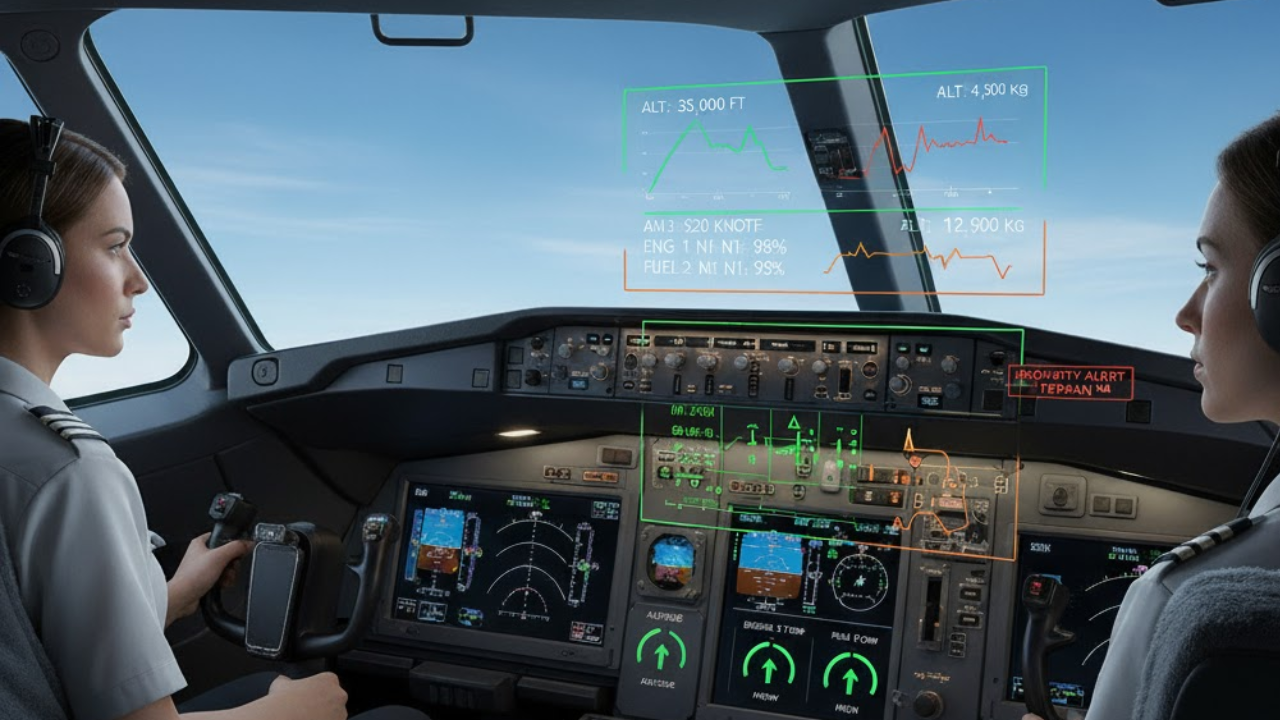
You are:
- Flying a routine machine
- Checking instruments
- Managing the flight
Suddenly, a warning pops up.
How do you know if this is a small issue or a bigger problem waiting to happen?
Unchecked issues can lead to flight delays, higher costs, or even safety risks.
What if there were a system that could monitor every flight, catch problems early, and give clear insights to improve safety?
FOQA and FDM programs do exactly that.
Let’s see how these programs make flight safer and smoother.
What Are FOQA and FDM Programs?
These programs are safety tools that continuously collect, analyze, and report flight data from aircraft. They use devices like FDRs or QARs to capture thousands of flight parameters. The data is then reviewed for trends, deviations, and potential safety risks. Various reputable providers like Brazos Safety Systems help with processing data fast and turn complex flight info into clear insights.
1. Proactive Flight Safety Monitoring
These programs enable aircraft operators to actively monitor flight safety by collecting and analyzing real-time flight data from Digital Flight Data Recorders (FDRs) or Quick Access Recorders (QARs).
This proactive monitoring identifies:
- Deviation from standard operating procedures
- Unusual flight parameters
- Latent risks before they escalate
Operators receive clear and visualized reports that highlight patterns and trends for immediate review and corrective actions.
2. Reduce Flight Incidents
FOQA/ FDM programs reduce flight incidents by finding out unsafe trends and operational deviations.
Operators can analyze thousands of flight parameters to detect exceedance, such as:
- Unstable approaches
- Steep bank angles
- Excessive speeds
The data-driven insights from these programs help you to implement:
- Corrective measures
- Targeted pilot coaching
- Procedural adjustments
3. Improves Pilot Training and Awareness
Pliots can get precise, actionable feedback on their performance. Detailed flight data highlights deviations from standard operating procedure. It allows instructors to tailor training as per the pilot’s needs.
Pilots can:
- Review the graphical representations of their flights
- Compare with benchmarked data
- Understand areas requiring improvement
These programs help to get continuous feedback and ensure pilots remain aware of:
- Operational risks
- Aircraft performance limits
- Best practices
4. Regulatory Compliance
These programs help aircraft operators meet global regulatory requirements, such as:
- ICAO
- FAA
- EASA
- UK CAA
Operators can get reports that:
- Shows adherence to regulatory limits
- Maintain records for audits
- Proactively address potential violations
FOQA/FDM doesn’t just help compliance with current rules, but it also prepares for future regulatory updates.
5. Enhanced Aircraft Availability
FOQA/ FDM enables proactive maintenance and rapid issue detection.
Flight date analysis identifies trends in:
- Engine performance
- System wear
- Operational exceedances
Early detection of potential problems helps:
- Prevent unscheduled Aircraft on Ground (AOG) events
- Reduce downtime
- Ensure fleet readiness
This proactive approach helps in extending the lifespan of aircraft components and reducing costs across the fleet.
6. Data-Driven Decision Making
Operators can track aircraft performance, exceedances, and operational trends. The data-driven insights from FOQA/FDM programs help decision makers to:
- Identify inefficiencies
- Optimize flight procedures
- Adjust training programs
Data-driven insights also reduce unexpected failures.
7. Liability Reduction
FOQA/FDM reduces the liability risks for aircraft operators. Detailed and timestamped data provides operators with object records to support:
- Investigations
- Regulatory compliance
- Insurance claims
Plus, operators can negotiate better insurance terms and reduce financial exposure.
The Bottom Line
FOQA/FDM programs are important for enhancing aviation safety and efficiency. These programs:
- Monitor and analyze flight data
- Identify potential risks and operational inefficiencies
Reputable FOQA/FDM solutions help simplify the process of analyzing flight data and getting actionable insights.
Are you ready to use every flight data point to prevent risks before they happen?