

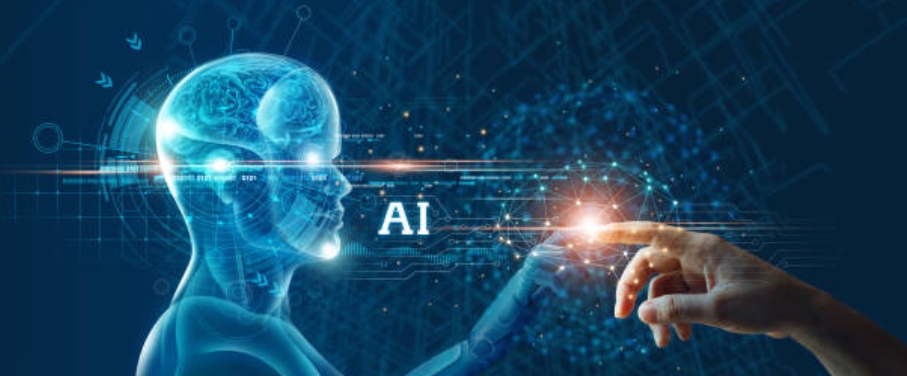
Digital art has undergone significant transformations over the past few decades, and the advent of artificial intelligence (AI) has been a game-changer. Among the various AI-driven tools, free AI image generators stand out for their ability to democratize art creation and introduce new paradigms in digital artistry. This article explores how these tools are revolutionizing digital art, providing an in-depth look at their capabilities, benefits, and broader impact on the art world.
The Rise of AI in Digital Art
Evolution of Digital Art
Digital art, a practice that began with basic computer graphics and evolved into sophisticated 3D modeling and animation, has always been at the forefront of technological innovation. The integration of AI into digital art represents the latest leap forward, enabling artists to create complex, dynamic pieces with the assistance of machine learning algorithms.
Introduction to AI Image Generators
AI image generators are tools that use machine learning models to create images based on textual descriptions, pre-set parameters, or learned styles from vast datasets. These tools can generate original artwork, enhance existing images, or create realistic renderings of fantastical concepts that would be challenging to produce manually.
How AI Image Generators Work
Machine Learning and Neural Networks
AI image generators typically use deep learning techniques, particularly neural networks, to analyze and generate images. These networks are trained on extensive datasets of images and textual descriptions, learning the relationships between words and visual elements.
Training the AI
Training an AI model involves feeding it thousands or even millions of images along with corresponding descriptions. Over time, the model learns to recognize patterns, styles, and common features. This training enables the AI to generate new images that align with given textual inputs, a process that is continually refined to improve accuracy and creativity.
User Interaction
Most Free AI Image Generator offer user-friendly interfaces where users input text prompts or select parameters to generate images. These platforms often include additional features like style customization, resolution adjustment, and image editing tools, making them accessible to artists of all skill levels.
Benefits of AI Image Generators
Accessibility and Democratization of Art
One of the most significant impacts of free AI image generators is the democratization of art. These tools make it possible for anyone with a computer and internet access to create digital art, regardless of their technical skills or artistic background. This inclusivity fosters a more diverse artistic community and encourages creative expression across different demographics.
Speed and Efficiency
AI image generators can produce high-quality images in a fraction of the time it would take a human artist. This speed and efficiency are particularly beneficial for commercial projects, such as advertising, where quick turnaround times are crucial. Artists can generate numerous concepts rapidly, allowing for more experimentation and innovation.
Expanding Creative Possibilities
AI tools can generate novel ideas and styles that may not occur to human artists. By combining and reinterpreting existing visual elements in unique ways, AI image generators can inspire new artistic directions and push the boundaries of traditional art forms. This capability expands the creative possibilities for artists, enabling them to explore new genres and techniques.
Applications in Various Industries
Art and Design
In the art world, AI image generators are used to create original pieces, enhance existing artworks, and experiment with new styles. Artists can use these tools to generate preliminary sketches, refine their work, or even collaborate with AI to produce entirely new creations.
Advertising and Marketing
AI-generated images are increasingly used in advertising and marketing campaigns. These tools can produce customized visuals that align with brand identities and appeal to target audiences. The ability to quickly generate multiple variations of an image allows marketers to A/B test different designs and optimize their campaigns effectively.
Entertainment and Media
In the entertainment industry, AI image generators assist in creating visual content for movies, video games, and virtual reality experiences. These tools can generate realistic backgrounds, character designs, and special effects, reducing production time and costs while enhancing creative possibilities.
Education and Research
AI image generators also have applications in education and research. In art education, they serve as teaching aids, helping students understand various artistic styles and techniques. In scientific research, AI-generated visuals can illustrate complex concepts, making them more accessible and comprehensible.
Challenges and Ethical Considerations
Quality and Authenticity
While AI image generators are powerful tools, they are not without limitations. The quality of generated images can vary, and some outputs may lack the nuance and detail of human-created art. Additionally, the authenticity of AI-generated art is a subject of debate, with questions about authorship and originality arising as AI tools become more prevalent.
Ethical Issues
The use of AI in art raises several ethical concerns. One significant issue is the potential for copyright infringement, as AI models are trained on vast datasets that may include copyrighted images. Ensuring that the use of these datasets respects the intellectual property rights of original creators is crucial.
Bias and Representation
AI models can also perpetuate biases present in their training data. If the datasets used to train AI image generators lack diversity or include biased representations, the generated images may reflect these biases. It is essential to address these issues to ensure that AI tools promote inclusivity and fairness.
Impact on Human Artists
The rise of AI in digital art has sparked concerns about its impact on human artists. Some fear that AI-generated art could devalue human creativity or lead to job displacement in creative industries. However, many argue that AI should be seen as a tool that enhances human creativity rather than replacing it. Collaboration between AI and human artists can lead to new and exciting artistic possibilities.
Conclusion
Free AI image generators are transforming the world of digital art by democratizing access to creative tools, enhancing efficiency, and expanding creative possibilities. While there are challenges and ethical considerations to address, the potential benefits of AI in art are immense. As technology continues to advance, the collaboration between AI and human artists will likely lead to new and exciting artistic frontiers. Embracing these innovations while ensuring ethical and responsible use will be key to the future of digital art.