

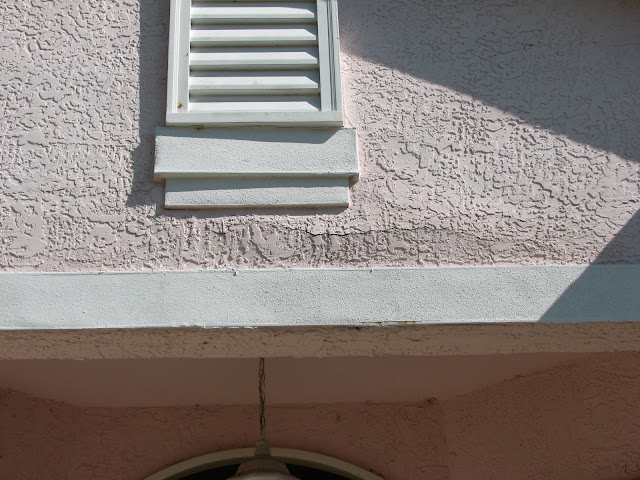
Stucco removal is a significant undertaking, often revealing underlying issues that need to be addressed to maintain the structural integrity and aesthetic appeal of a home. When considering such a project, homeowners in Philadelphia frequently turn to a professional Philadelphia stucco contractor, such as Stucco Repair Philadelphia for their expertise and guidance. This article delves into the process of repairing and replacing exterior finishes after stucco removal, providing insights into assessing damage, selecting suitable replacement materials, and ensuring proper preparation and installation.
Assessing Damage
1. Common Issues Found After Removal
- Water Damage: Stucco’s moisture-trapping nature can penetrate walls, causing wood rot that weakens structural integrity. Mold is a health danger since it grows best in wet conditions. Rusted metal components compromise stability and aesthetics, necessitating thorough inspection and repair during stucco removal and replacement.
- Cracks and Holes: Stucco’s rigid application often conceals underlying structural issues. Cracks and holes may indicate foundation shifts or settling, requiring professional assessment and remediation to prevent further damage and ensure a stable exterior.
- Insulation Problems: Inadequate stucco installation can create air gaps, reducing thermal efficiency. This leads to increased heating and cooling costs. Addressing insulation issues during stucco removal ensures energy savings and enhances home comfort.
2. Structural Repairs Needed
- Replacing Damaged Wood: Identifying and replacing rotted or compromised wooden elements such as studs, joists, or sheathing boards is crucial. This prevents further deterioration and maintains load-bearing capacity, essential for structural stability.
- Reinforcing the Frame: Addressing cracks or holes in the frame involves applying structural reinforcements like steel braces or additional framing members. This step strengthens the building’s framework, minimizing risks of structural failure or shifting over time.
- Updating Insulation: Upgrading insulation materials and ensuring proper installation in walls and cavities improves thermal efficiency. This does double duty: it lowers energy usage and keeps the house at a steady temperature, making it more comfortable to live in.
Choosing Replacement Materials
1. Vinyl Siding
- Durability: Vinyl siding’s durability stems from its ability to withstand extreme weather conditions such as high winds, hail, and heavy rain without warping, cracking, or fading. Its resilience ensures a consistent appearance and protection over many years.
- Maintenance: Minimal upkeep for vinyl siding involves occasional cleaning with soap and water to remove dirt and debris. Unlike wood siding, it doesn’t require painting or staining, saving time and ongoing maintenance costs for homeowners.
- Aesthetic Versatility: Vinyl siding is available in an extensive array of colors, textures, and profiles, ranging from traditional to modern styles. This versatility allows homeowners to match the siding seamlessly with various architectural designs, enhancing curb appeal and property value.
2. Fiber Cement
- Strength: Fiber cement’s durability extends beyond typical weather conditions, resisting cracking, warping, and fading. It also withstands impact and is non-combustible, making it a secure choice in regions prone to storms and wildfires.
- Appearance: Fiber cement’s versatility includes textures that closely resemble natural materials like cedar, limestone, or even modern architectural finishes. Its ability to maintain color and texture over time enhances curb appeal without the maintenance demands of traditional materials.
- Longevity: With minimal upkeep, fiber cement can endure decades without needing replacement. Its resistance to moisture prevents swelling and decay, while its stability under UV exposure maintains its aesthetic integrity, reducing long-term maintenance costs significantly.
3. Brick and Stone Veneers
- Classic Appeal: Brick and stone veneers add a timeless charm and upscale aesthetic to any home exterior, enhancing its curb appeal and overall value with their rich textures and natural beauty.
- Durability: These materials are renowned for their exceptional strength and resilience, capable of enduring extreme weather conditions without deterioration or damage, ensuring long-term durability and minimal maintenance.
- Insulation Benefits: Beyond aesthetics and durability, brick and stone veneers provide superior thermal insulation properties. Their dense composition helps regulate indoor temperatures by reducing heat transfer, thereby enhancing energy efficiency and lowering heating and cooling costs over time.
Preparation and Installation
1. Surface Preparation
- Cleaning the Surface: Any remaining debris, dust, or residue from the stucco removal process must be thoroughly cleaned to ensure proper adhesion.
- Repairing Underlying Issues: Addressing any structural damage or deficiencies before installation is crucial.
- Applying a Moisture Barrier: Installing a moisture barrier helps prevent future water damage and ensures the longevity of the new material.
2. Professional Installation Tips
- Hiring Experienced Contractors: Choosing a contractor with experience in the specific material you’ve selected ensures a high-quality installation.
- Following Manufacturer Guidelines: Adhering to the manufacturer’s instructions for installation can prevent issues down the line and may be necessary for warranty coverage.
- Regular Inspections: Periodic inspections during and after installation help catch potential problems early, ensuring the finish remains in top condition.
Conclusion
Stucco removal is just the beginning of a comprehensive process to restore and enhance the exterior of your home. By partnering with a reputable stucco contractor, such as Stucco Repair Philadelphia, homeowners can effectively assess and address any underlying damage, choose the best replacement materials, and ensure a professional installation. The right approach to repairing and replacing after stucco removal not only improves the home’s aesthetic appeal but also ensures its structural integrity for years to come. Proper planning and execution are essential for a successful transformation, offering long-term benefits and peace of mind.