

Patients do not leave a clinic only because care is poor. Often, they leave because no one checks in after the visit. A missed call, late reminder, or cold message can feel small. But to a patient, it can feel like being forgotten.
In the U.S., people now have many care choices. They expect fast replies, clear updates, and simple follow-up steps. A good clinic cannot depend on sticky notes anymore.
It needs a smarter way to stay close. This is where better patient systems help. They keep care warm, steady, and easy.
Understanding Healthcare CRM Software
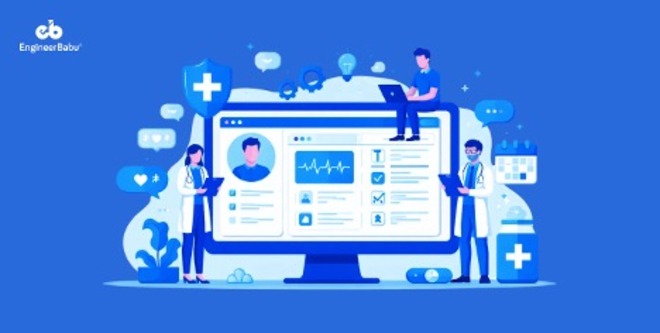
Healthcare CRM Software helps clinics manage patient care, messages, tasks, and follow-ups in one place. It is not just a contact list. It shows each patient’s journey from the first call to the next visit. Staff can see past chats, booked visits, care needs, and missed steps.
This helps the team act quickly without having to dig through many tools. Also, it helps front desk workers, nurses, and managers stay on the same page.
For example, a patient who missed a lab reminder can be contacted right away. The system makes follow-up feel less rushed and more personal.
Improving Patient Retention and Follow-Ups through Healthcare CRM Software
Good retention starts when every patient feels seen, heard, and guided after each visit.
Centralized Patient Records for Seamless Follow-Ups
When patient records are scattered across many places, follow-ups get messy fast. One note may be in an email, another may be inside a phone log, and a third may be stuck in someone’s memory. This is risky and, well, pretty stressful. A centralized record provides the team with a single, clear patient view.
Staff can see past visits, calls, forms, needs, and next steps. So, when a patient calls about her refill, nobody starts from zero. The clinic already knows her story. This saves time and lowers mistakes. In addition, it helps patients feel known.
Automated Appointment Scheduling to Reduce Missed Visits
Missed visits hurt patients and clinics in very real ways. A patient may delay care. The clinic may lose time and money. Automated scheduling helps stop that slow leak. Patients can get reminders by text, email, or phone before visits.
They can also confirm, cancel, or reschedule with less friction. For example, a working parent may move an appointment during lunch. This small ease can keep care on track.
Also, the team does not need to call everyone. The system handles routine reminders, and staff can focus on people who need real help.
Smart Patient Risk Scoring for Proactive Retention
Some patients are more likely to leave care quietly. They may miss visits, ignore messages, or stop booking checks. Smart risk scoring helps clinics spot these signs early. It can flag patients who have not returned after treatment. It can also show who missed key care steps.
Then the team can reach out before trust fades. For example, a diabetes patient who skips follow-ups may need a gentle call. Not a sales message, but a real care check. This kind of outreach feels thoughtful. On the other hand, waiting too long can result in the patient being lost.
Multi-Channel Communication to Keep Patients Engaged
Not all patients like the same kind of message. Some read texts fast, some prefer email, and some still want a phone call. Multi-channel communication helps clinics meet patients where they are. This makes follow-ups feel easy, not forced. A teen may need a short text reminder.
An older patient may want a warm call after surgery. Also, two-way messaging lets patients ask simple questions fast. They may ask about prep steps, arrival time, or forms. Quick answers build trust. In addition, steady contact keeps the clinic in the patient’s mind between visits.
Real-Time Analytics to Improve Retention Performance and Patient Satisfaction
A clinic cannot improve what it cannot see clearly. Real-time analytics show what is working and what is not. Managers can track missed visits, follow-up speed, response rates, and patient trends.
For example, Friday afternoon reminders may get fewer replies. Or new patients may drop off after the first visit. These details help the clinic make better choices. The team can adjust message timing, staff tasks, or care flows.
Also, patient feedback can show where the service feels weak. Maybe waits are too long, or calls go unanswered. Clear data turns guesses into useful action.
Marketing Automation for Consistent Patient Re-Engagement
Many patients mean to come back, but life gets busy. Work, kids, bills, and travel get in the way. Marketing automation helps clinics stay gently present. It can send wellness tips, recall reminders, birthday notes, and check-in messages.
For example, a dental office can remind patients about cleanings. A primary care clinic can send flu shot reminders. These messages should feel helpful, not pushy.
The best ones sound simple and kind. Also, automated campaigns keep outreach steady during busy weeks. Staff do not have to remember every task. The system keeps the care loop moving.
Secure Data Management to Build Patient Trust and Confidence
Patients share very private details with their care team. They expect that data to be handled with care. Secure data management helps protect names, records, messages, and payment details. It also helps clinics control who can see patient information. This matters a lot in U.S. healthcare.
A patient who trusts the clinic is more likely to return. However, one careless process can break that trust quickly. Safe systems support better habits across the whole team. Staff can message, track, and follow up with more confidence. In the end, retention grows when patients feel safe.
Conclusion
Healthcare CRM software helps you keep patient care clear, warm, and steady. With better follow-ups, you can stop missed visits before they grow. It also helps you send kind reminders at the right time.
Patients feel seen when you remember needs, dates, and next steps. For U.S. clinics, that simple care can bring stronger patient loyalty. Over time, you build trust through safer, smoother care.