

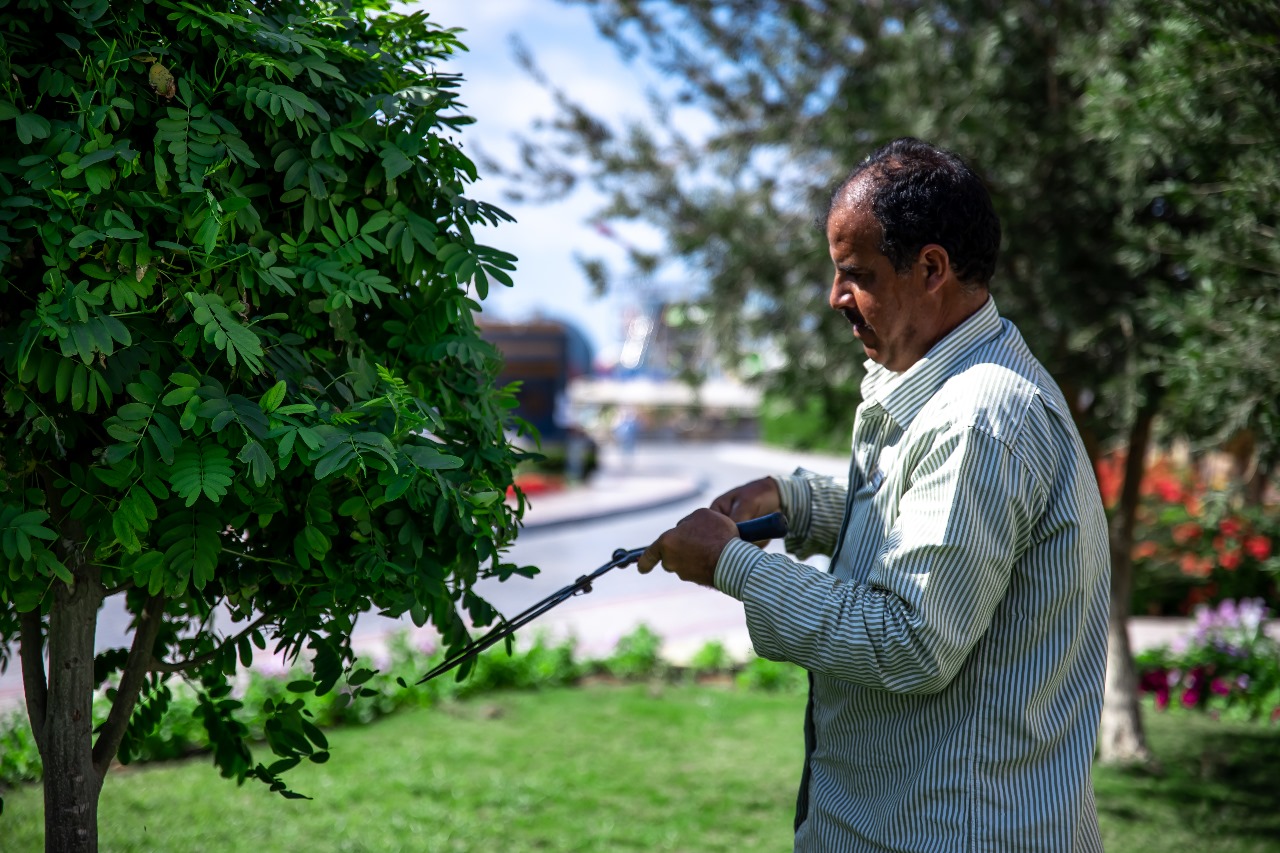
Tree trimming isn’t just about keeping your yard looking neat and well-kept it’s a key part of maintaining a safe, healthy, and attractive landscape. Whether you’re looking to remove overgrown branches, improve your tree’s health, or prevent potential hazards, tree trimming is an essential service that homeowners often overlook until it becomes absolutely necessary.
But how much does tree trimming cost? Is it worth paying a professional, or should you attempt it yourself? This guide breaks down tree trimming prices, factors that influence them, and whether affordable tree trimming services are a smart investment for your home and property.
Why Tree Trimming Matters?
Before diving into the costs, it’s important to understand why tree trimming is necessary in the first place. Regular trimming:
- Improves tree health by removing dead, dying, or diseased branches
- Encourages new growth and better fruit production (if it’s a fruit tree)
- Prevents branches from damaging your home, vehicles, or power lines
- Reduces the risk of pests and decay
- Enhances curb appeal and overall landscaping aesthetics
In short, trimming helps trees live longer and keeps your property safe and beautiful.
Tree Trimming Cost: What to Expect
The average tree trimming cost in the U.S. typically ranges between $200 and $800 per tree. However, depending on various factors, you might pay as little as $75 or as much as $1,500 or more.
Here’s a general breakdown of tree trimming prices by size:
- Small trees (under 30 feet): $75–$400
- Medium trees (30–60 feet): $150–$800
- Large trees (over 60 feet): $500–$1,500+
These costs include labor, equipment, cleanup, and minor hauling. However, additional fees may apply if your tree is in a hazardous location, close to power lines, or requires extra work like disease diagnosis or pest treatment.
Factors That Affect Tree Trimming Prices
Tree trimming cost isn’t one-size-fits-all. Several elements can influence the price you’ll ultimately pay:
Tree Size and Type
Larger trees take more time and equipment to trim. Additionally, species with thicker branches or more complex canopies (like oaks or pines) cost more than simpler, smaller trees.
Accessibility
Is the tree near a fence, building, or utility line? If so, it may require more careful maneuvering, specialized equipment, or even coordination with utility companies—driving up the cost.
Tree Health
Dead or diseased branches can be brittle and dangerous to remove, which may result in higher charges due to the added risk.
Time of Year
While tree trimming can be done year-round, some seasons are busier than others. Late winter and early spring are popular, which can sometimes raise prices due to demand.
Clean-Up and Debris Removal
Some companies include this in their base fee, while others charge separately. It’s always best to ask in advance.
Location and Local Rates
Tree trimming prices can vary significantly by region. Urban areas may have higher costs than rural ones due to labor expenses, insurance, and permits.
Is Affordable Tree Trimming Available?
Yes affordable tree trimming is possible if you take time to shop around and understand what you’re paying for. Here are some tips to keep your costs down without compromising on quality:
- Get multiple quotes from local providers to compare pricing and services.
- Ask about bundled services some companies offer discounts if you’re trimming multiple trees.
- Check for insurance and certifications to ensure the provider is legitimate and experienced.
- Schedule during off-peak seasons to possibly secure lower rates.
While price is important, don’t just go with the lowest bidder. Poorly done trimming can lead to damaged trees, safety risks, or even long-term costs if the tree becomes diseased or unstable.
DIY Tree Trimming vs. Hiring a Pro
If you’re handy with tools, you might consider trimming your own trees. But be careful—tree trimming isn’t always as simple as it looks. Without the right knowledge or equipment, you could:
- Injure yourself with power tools or falling limbs
- Damage the tree by cutting too much or in the wrong place
- Cause property damage if a branch falls the wrong way
- Create legal issues if a branch drops on a neighbor’s property or power line
For small trees and light pruning, a DIY approach might work. But for anything taller than 15 feet or near structures, hiring a tree trimming specialist is the safer and smarter route.
Is Tree Trimming Really Worth the Cost?
Absolutely tree trimming is a worthwhile investment for your home’s safety, tree health, and property value.
Here’s why:
- Prevents Costly Damage – Overhanging branches can break during storms and damage roofs, windows, or cars.
- Boosts Curb Appeal – Neatly trimmed trees make your landscape look tidy and well-maintained.
- Supports Tree Longevity – Regular care can extend the life of your trees and reduce the need for removal.
- Improves Safety – Trimming removes unstable limbs that could injure someone or fall unexpectedly.
- Saves Money Long-Term – Catching issues early through routine trimming avoids larger, more expensive problems.
Final Thoughts
Tree trimming cost may vary, but the value it adds to your property, safety, and peace of mind is significant. Whether you have a towering oak shading your backyard or several ornamental trees lining your driveway, keeping them trimmed is both a smart and necessary investment.
If you’re on the hunt for affordable tree trimming, take your time to research reputable services, compare quotes, and ensure your chosen provider is insured and experienced. Don’t let price alone guide your decision—when it comes to your home and landscape, quality matters just as much as cost.