

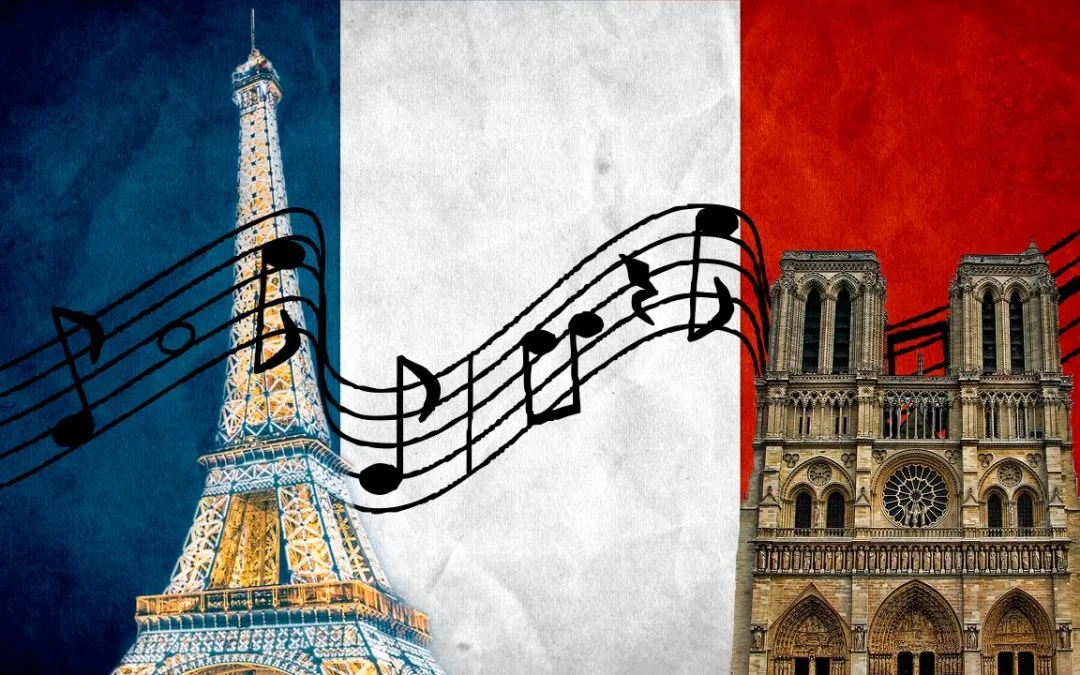
France has long been a hub for music, art, and cultural innovation. From the classical compositions of Debussy to the vibrant street art of Paris, French society values creative expression as a core part of everyday life. Music and art are more than forms of entertainment; they are vital tools for education, emotional growth, and social connection.
In this article, we explore the influence of creativity in French life, examining its cognitive, emotional, and societal impact.
Music as a Reflection of French Identity
Music has always played a crucial role in expressing French identity. From the poetic lyrics of chanson française to contemporary urban sounds and electronic beats, music reflects both tradition and modernity. French audiences appreciate melodies that tell stories, evoke emotion, and capture cultural nuances.
Collaborations that combine different musical styles highlight the power of creativity to bridge generations and genres. For example, projects like maud bregeon joey starr show how innovative collaborations can bring together contrasting musical traditions, creating unique experiences that resonate widely.
Cognitive Benefits of Engaging with Music
Engaging with music is not only enjoyable but also intellectually stimulating. Learning to play an instrument or participating in musical projects enhances memory, focus, and analytical thinking. Research shows that regular musical activity strengthens brain connectivity and problem-solving skills.
Children in France often participate in music education as part of their schooling. These programs foster creativity while also improving academic performance and emotional intelligence. Music acts as a tool to encourage discipline, curiosity, and self-expression.
Visual Arts and Cultural Appreciation
Visual art is another cornerstone of French cultural life. Museums, galleries, and public installations across France preserve centuries of artistic achievement while inspiring contemporary creation. Institutions like the Louvre, Musée d’Orsay, and Centre Pompidou provide opportunities to explore both traditional and modern art forms.
Engaging with visual art promotes critical thinking and emotional awareness. Whether creating or observing, art allows individuals to process emotions, explore identity, and gain insight into different cultural perspectives.
Creativity as a Social Connector
Art and music serve as powerful tools to bring communities together. Concerts, exhibitions, and festivals foster interaction across age groups and social backgrounds. Shared experiences in cultural spaces strengthen empathy, collaboration, and social cohesion.
Modern artistic projects, including collaborations like maud bregeon joey starr, demonstrate how creativity can unite people through shared appreciation of talent and innovation. Such events celebrate diversity while reinforcing a collective cultural identity.
The Role of Art in Education
In France, schools and universities emphasize the importance of cultural literacy. Music, theatre, and visual arts are integrated into curricula to support holistic development. Participation in these activities improves critical thinking, communication, and problem-solving abilities.
Students exposed to art and music often demonstrate greater creativity and confidence. They learn to express themselves, interpret emotions, and engage with complex ideas, preparing them for both professional and personal success.
Everyday Engagement with Culture
Cultural participation is not limited to formal institutions. In everyday life, music and art are present in cafés, parks, public spaces, and regional festivals. French citizens often engage with creativity through small yet meaningful activities, such as visiting local galleries, attending concerts, or exploring street art.
This daily engagement nurtures imagination, mindfulness, and emotional balance. It also fosters a lifelong appreciation for cultural heritage and artistic innovation.
Technology and Modern Creativity
Digital platforms have transformed access to music and art. Streaming services, online workshops, and virtual galleries allow French audiences to explore creativity from anywhere. Technology also enables artists to collaborate internationally, producing innovative work that respects cultural traditions.
Apps and platforms that allow for participation and rewards in music or art encourage engagement among younger audiences, helping to sustain interest in creative endeavors.
Emotional Intelligence and Artistic Experience
Music and art contribute significantly to emotional intelligence. Interpreting songs, performances, or artworks requires empathy, self-reflection, and understanding. Individuals develop better communication skills, stress management abilities, and a sense of social responsibility.
Regular interaction with creative content cultivates patience, mindfulness, and awareness of one’s own emotions, making artistic engagement a valuable part of personal growth.
Long-Term Benefits of Creative Participation
Engaging in music and art offers long-term advantages for individuals and communities. Personal benefits include improved mental health, cognitive abilities, and emotional resilience. Societally, cultural engagement fosters social cohesion, tolerance, and shared identity.
Creative participation also encourages lifelong learning. From attending performances to creating art, individuals remain curious, inspired, and connected to both local and global culture.
Conclusion
Music and art continue to be essential elements of French society, influencing education, social interaction, and personal development. They provide avenues for self-expression, cultural understanding, and emotional growth.
Collaborative projects such as maud bregeon joey starr highlight how combining artistic styles and generations can inspire audiences, encourage innovation, and maintain cultural vibrancy. By embracing creativity in everyday life, French citizens nurture both their personal growth and the collective cultural identity of their society.