

Introduction
Managing a commercial fleet has never been more demanding. Customers expect faster deliveries, businesses want lower operating costs, and drivers need the right tools to complete their routes safely and efficiently. At the same time, fleet managers must monitor vehicle locations, reduce delays, improve productivity, and maintain high service standards. Trying to handle all these responsibilities without accurate information can lead to unnecessary costs and poor decision-making.
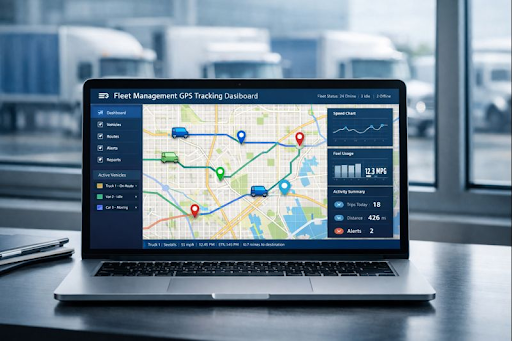
This is why real-time tracking has become one of the most valuable technologies in the transportation industry. Instead of guessing where vehicles are or waiting for drivers to report their location, managers can access live updates that help them make informed decisions throughout the day. GPS Tracking has transformed fleet operations by providing greater visibility, improving communication, and helping businesses respond quickly to changing situations.
This article explains how real-time tracking improves fleet performance, strengthens driver accountability, and supports smarter transportation management for companies of every size.
Why Visibility Matters in Fleet Operations
A fleet manager is responsible for much more than assigning vehicles to drivers. Every delivery, pickup, and service call depends on careful planning and accurate information. When managers cannot see where vehicles are or how routes are progressing, solving problems becomes much harder.
Real-time visibility allows businesses to monitor operations as they happen. Instead of waiting until the end of the day for reports, managers can make adjustments immediately when unexpected delays or traffic problems occur.
Better visibility also improves customer service because businesses can provide more accurate delivery updates and respond quickly to customer questions.
Moving Beyond Traditional Fleet Management
In the past, transportation companies relied heavily on phone calls, paperwork, and manual updates to manage daily operations. Drivers often had to contact dispatchers regularly, while managers spent valuable time collecting information from different sources.
Modern fleet technology has replaced much of this manual work. Live tracking systems provide continuous updates that reduce communication delays and improve operational efficiency. Managers receive important information automatically, allowing them to focus on solving problems instead of searching for data.
This digital approach creates a faster and more organized workflow across the entire business.
How Real-Time Tracking Improves Daily Performance
Every minute matters in commercial transportation. Delays, traffic congestion, and inefficient routes can increase fuel costs while reducing customer satisfaction.
Real-time location data helps businesses improve Fleet Tracking by showing exactly where vehicles are throughout the day. This information allows dispatchers to make smarter routing decisions, avoid unnecessary delays, and respond quickly when unexpected situations arise.
Improved planning leads to more efficient deliveries, better vehicle utilization, and smoother day-to-day operations.
Helping Drivers Stay Focused and Responsible
Technology is not designed to replace drivers. Instead, it provides tools that support safer and more consistent performance.
One important benefit of modern tracking systems is improved Driver Accountability. Because trips, routes, and driving activity are recorded accurately, both drivers and managers have access to reliable information about daily performance.
This creates a fair working environment where conversations are based on facts rather than assumptions. Drivers can better understand their performance, while managers can provide constructive feedback that encourages continuous improvement.
Over time, this approach helps build trust between drivers and management.
Improving Communication Across the Fleet
Good communication keeps transportation businesses running smoothly. Without accurate information, misunderstandings can lead to missed deliveries, scheduling conflicts, and frustrated customers.
Real-time tracking improves communication by giving everyone access to current vehicle information. Dispatchers know where drivers are, managers understand fleet activity, and customers receive more accurate updates about delivery times.
This transparency helps reduce confusion while improving teamwork throughout the organization.
Supporting Faster Decision-Making
Transportation is constantly changing. Weather conditions, road closures, traffic congestion, and customer requests can affect daily schedules with very little warning.
When managers receive live operational information, they can respond immediately instead of waiting for delayed reports.
Some common situations where quick decisions make a difference include:
- Adjusting delivery routes.
- Responding to unexpected traffic.
- Reassigning vehicles when necessary.
- Providing customers with updated arrival times.
- Managing emergency situations more effectively.
Faster decisions often prevent small problems from becoming larger operational challenges.
Reducing Unnecessary Operating Costs
Every fleet manager looks for opportunities to improve efficiency without reducing service quality.
Real-time tracking supports better resource management by helping businesses reduce unnecessary mileage, improve route planning, and limit excessive idling. These improvements contribute to lower fuel consumption and better overall operational efficiency.
When vehicles spend less time sitting in traffic or traveling unnecessary distances, businesses often experience measurable cost savings while maintaining reliable service.
Small improvements made consistently across an entire fleet can create significant financial benefits over time.
Building Stronger Customer Relationships
Customers expect accurate information. Whether waiting for deliveries or scheduling service appointments, they appreciate businesses that communicate clearly and deliver on time.
Real-time tracking allows companies to provide more reliable updates because managers know exactly where vehicles are during each stage of a trip.
Better communication increases customer confidence while improving the overall service experience. Businesses that consistently meet customer expectations often strengthen long-term relationships and build a positive reputation within their industry.
Using Data to Improve Fleet Performance
Every journey generates valuable information. Instead of allowing this data to go unused, transportation companies can analyze it to improve future operations.
Measuring Fleet Performance helps managers identify opportunities for improvement across different areas of the business. They can evaluate route efficiency, compare vehicle utilization, monitor operational trends, and identify processes that may require adjustment.
Data-driven decision-making allows organizations to improve gradually over time while creating more efficient transportation systems.
Learning from Transportation Professionals
The transportation industry continues to evolve as new technologies become available. Fleet managers who stay informed about industry developments are often better prepared to improve their operations.
Professionals like Damir Jelecevic regularly share practical insights about fleet technology, transportation innovation, driver safety, and operational efficiency through LinkedIn. Following experienced industry professionals helps business leaders understand how modern technologies are solving real-world transportation challenges.
Reading educational content and staying connected with transportation experts can support better decision-making as fleet technology continues to advance.
Preparing Fleets for the Future
Technology will continue playing a larger role in commercial transportation. Real-time tracking is only one part of a broader movement toward smarter, more connected fleet operations.
Future innovations are expected to improve route optimization, predictive maintenance, safety monitoring, and operational reporting even further. Businesses that begin adopting digital technologies today will be better prepared to compete in tomorrow’s transportation industry.
Successful fleet management will increasingly depend on accurate information, efficient communication, and intelligent decision-making supported by modern technology.
Conclusion
Real-time GPS tracking has transformed the way transportation companies manage their fleets. By providing continuous visibility into vehicle activity, businesses can improve operational efficiency, strengthen driver accountability, reduce unnecessary costs, and deliver better service to customers.
As commercial transportation becomes more data-driven, companies that embrace intelligent tracking solutions will be better positioned for long-term success. Combining experienced fleet management with modern technology creates safer operations, stronger customer relationships, and a more efficient transportation business that is ready for future growth.