

Introduction
The rapid expansion of solar in homes has changed the way homeowners generate and use electricity. One of the said developments that are helping the solar power to become more practical and efficient is the micro inverter-sumitrapower. While a conventional string inverter is a one-size-fits-all apparatus that lumps all of your panels together into one unit, micro inverters are panel level devices. This technology offers many advantages in terms of greater output, enhanced safety, and expanded flexibility, and is becoming increasingly popular material for home rooftop projects.
What is a Micro Inverter?
A micro inverter is a tiny piece of equipment mounted under each solar panel that converts the solar panel’s generated direct current (DC) into alternating current (AC) which powers the appliances at home. Conventional systems have a single large string inverter that converts power for all of the panels in an array. String inverters are fine, but shading or mismatch issues can limit their effectiveness. By uncoupling the panels from each other, each panel will produce at or near its maximum, and won’t drag down the overall system if one panel isn’t performing as well.
Enhanced Energy Efficiency
A power inverter, one of the most important uses is to optimize the power generation, the generation of power without using solves. For rooftop solar installations, there are any number of things, like trees that shade the panels or dust that gathers on them or even that the panels are tilted in a different way that change performance. String Inverters: The Underachieving Solar Panel Sets Your PACE With string inverters, the weakest link trumps the system. But with micro inverters, each panel can function on its own. This means that if one panel is shaded, all the others continue to operate at their full potential generating more overall power.
For homeowners, that means more energy produced for the highest return to power smaller loads to save you money. This level of efficiency increase can add up over time and have a big effect on both energy savings and payback.
Improved Safety and Reliability
Safety is also another important consideration for solar technology. Micro inverter Functions on a panel-by-panel basis, which minimizes the high-voltage Direct Current (DC) wiring, used in string inverter systems. In addition to optimal performance and reliability, micro inverters also reduce potential fire hazards by reducing DC on your wires and are generally more safe for home use.
Another advantage is that each panel is self-contained, so reliability is even better. If one micro inverter fails, it only impacts its panel, not all of the solar array. This modular system allows for continuous operation and virtually no down time, which is particularly appealing for homeowners that rely on solar power for their uninterrupted power supply.
Simplified Installation and Scalability
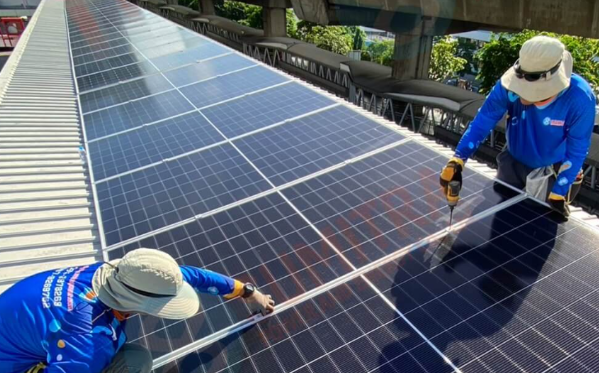
For people looking into going solar, homeowners often have concerns about the complexity of the system or potentially needing to upgrade it down the line. Thankfully micro inverters make for easy setup and are very scalable. And because they’re placed right under each panel, installers don’t need to run DC wiring all over the roof back to a central inverter. This modular approach makes the system simpler to get up and running, and enables homeowners to kiwi sex man enlarge their array in the future, by adding new panels with micro inverters on them.
For families who want to expand their energy capacity over time — say, so they can charge electric cars or as energy use grows with household size — this flexibility is a key feature.
Real-Time Monitoring and Maintenance
Another game changer with the micro inverter is the system monitoring capability. The majority of micro inverters do link with digital platforms that break down the performance of each module in real-time. Homeowners can monitor how much energy each panel is creating, detect any potential problems and track the health of the system right from a smartphone or computer.
This level of transparency doesn’t just allow homeowners to keep better track of their energy output; it also simplifies any troubleshooting and maintenance that may need to take place. Rather than trouble-shooting the entire system, a technician can readily identify the problem panel and replace or repair the faulty micro inverter.
Long-term worth and ROI
While the initial cost of a micro inverter system may be somewhat higher than a string inverter system, in the long run the advantages make it more than worth it. This means extended energy efficiency levels, system durability and reduced maintenance, which all add up over the life of the system. Moreover, most micro inverters do carry warranties spanning 20–25 years, which nearly matches the kind of life expectancy of solar panels. This means homeowners can rely on that performance for years to come – and that can produce a return on investment.
The Future of Rooftop Solar
One of the key forces behind innovation in rooftop since that time has been the invention and increasing technological advances in the micro inverter. Bringing proportional changes in homeowner’s mentality toward solar generation, micro inverters are making the statement by resolving the issues of efficiency, reliability and scale. Ideal for new installations or upgrading existing systems, they are future-ready solutions that ensure high performance as well as peace of mind.
Conclusion
There has never been a more attainable and efficient way to power your home with solar panels than micro inverter-sumitrapower technology. The technology in micro-inverters is anything but by becoming a more efficient method of converting power and enhancing the safety all while providing un-matched monitoring, micro-inverters transform rooftop solar to the next level. For homeowners who want to maximize their return on their solar investment, selecting a micro inverter powered system is an investment that keeps on giving.