

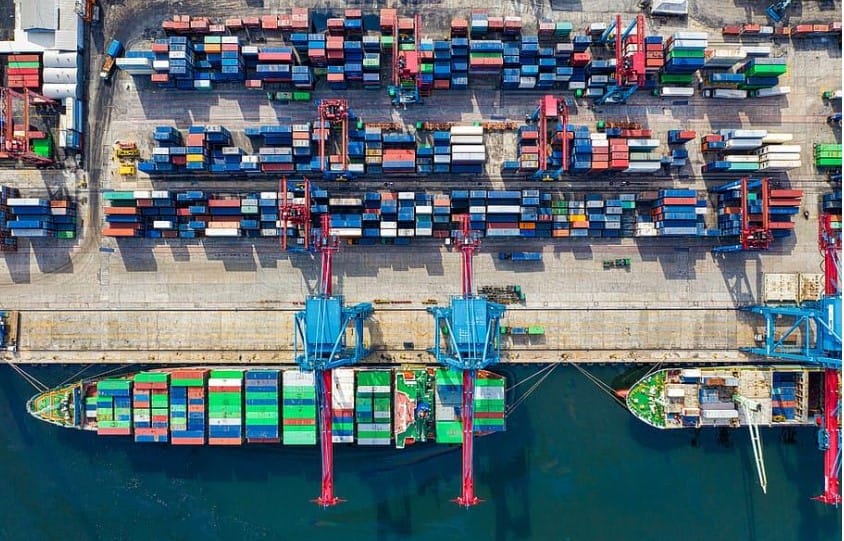
Freight transportation has steadily evolved from a largely manual, route-based operation into a highly coordinated system shaped by both infrastructure and digital innovation. As supply chains expand across regions and continents, the expectations placed on logistics providers have shifted toward greater precision, visibility, and adaptability. This transformation is not driven by a single factor, but by the interaction between physical transport networks and the technologies that manage them.
For industries that depend on reliable freight movement—particularly heavy haul and large-scale logistics—understanding this shift is essential. Efficiency is no longer determined solely by distance or capacity. It now depends on how effectively infrastructure and technology are integrated into a cohesive operational strategy.
The Evolution of Freight Operations Through Technology
Technology has reshaped nearly every aspect of freight transportation, from route planning to shipment tracking. Digital platforms now provide real-time visibility into cargo movement, allowing logistics teams to monitor progress and respond quickly to disruptions. This level of transparency has significantly improved coordination across supply chains.
Developments in logistics technology, as explored in the transformation of logistics through innovation, illustrate how data-driven systems enhance operational efficiency. These tools enable better forecasting, more accurate scheduling, and improved communication between stakeholders.
For freight operators, the adoption of such systems reduces uncertainty and allows for more proactive decision-making. Instead of reacting to delays after they occur, logistics teams can anticipate challenges and adjust plans in advance.
Infrastructure as the Foundation of Freight Movement
Despite rapid technological advancements, infrastructure remains the backbone of freight transportation. Roads, railways, ports, and distribution centers provide the physical pathways through which goods travel. Their condition and capacity directly influence the speed and reliability of logistics operations.
In regions where infrastructure is well-developed, freight movement tends to be more predictable and efficient. Conversely, limitations such as congestion, outdated facilities, or restricted load capacities can create significant challenges. These issues are particularly relevant in heavy haul logistics, where route feasibility depends on structural factors like bridge strength and road width.
Effective logistics strategies must account for these variables, ensuring that transportation plans align with real-world infrastructure conditions.
Infrastructure Constraints in Heavy Haul Logistics
Heavy haul transportation involves moving oversized or overweight cargo that cannot be accommodated by standard freight methods. This requires detailed planning and coordination, as infrastructure constraints can significantly impact route selection.
Bridge load limits, clearance restrictions, and turning radii must all be carefully evaluated before a shipment begins. In some cases, temporary modifications or specialized equipment may be required to navigate these challenges. As infrastructure evolves, opportunities for more efficient heavy haul operations may emerge, but constraints will always remain a key consideration.
Integrating Technology with Infrastructure Planning
The most effective logistics operations combine technological tools with a deep understanding of infrastructure. Digital mapping systems, for example, can incorporate data on road conditions, traffic patterns, and regulatory requirements, providing a comprehensive view of potential routes.
This integration allows logistics providers to optimize transportation plans while minimizing risk. Real-time data can be used to adjust routes, avoid congestion, and improve overall efficiency. In heavy haul scenarios, these tools are particularly valuable, as they enable precise planning that accounts for complex constraints.
At the same time, technology supports better communication between stakeholders. Drivers, dispatchers, and infrastructure authorities can share information quickly, ensuring that operations remain aligned even when conditions change.
Global Perspectives on Freight and Transportation Networks
Freight transportation operates within a global context, where regional differences in infrastructure and logistics practices can significantly influence operations. Understanding these variations is essential for companies involved in international shipping and cross-border trade.
Insights into regional logistics dynamics can be seen in discussions such as shipping and transportation systems in global hubs, where infrastructure and strategic positioning play a key role in facilitating trade.
For logistics providers, adapting to these differences requires flexibility and a willingness to adjust strategies based on local conditions. This may involve working with regional partners, navigating regulatory requirements, or adapting to infrastructure limitations.
The Role of Expertise in Technology-Driven Logistics
While technology provides powerful tools for managing freight operations, human expertise remains essential. Experienced professionals bring the ability to interpret data, anticipate challenges, and make informed decisions in complex situations. Their knowledge ensures that technology is applied effectively and that operations remain grounded in practical realities.
Organizations such as BearDown Logistics reflect this balance by combining operational experience with modern logistics practices. This approach allows for more reliable and efficient freight management, particularly in specialized areas such as heavy haul transportation.
Expertise is especially important when unexpected issues arise. Technology can provide insights, but it is the judgment of skilled professionals that determines how those insights are applied in real-world scenarios.
Adapting to Uncertainty in Freight Operations
Freight transportation is inherently subject to uncertainty, whether due to weather conditions, infrastructure disruptions, or market fluctuations. Managing this uncertainty requires a combination of planning, flexibility, and responsiveness.
Logistics providers must be prepared to adjust routes, schedules, and resources as conditions change. Technology supports this process by providing real-time information, but effective adaptation depends on the ability to interpret and act on that information بسرعة and accurately.
Looking Ahead: The Future of Freight Transportation
The future of freight transportation will be shaped by the continued integration of technology and infrastructure. Advances in automation, data analytics, and connectivity are expected to further enhance logistics operations, while ongoing infrastructure investments will expand capacity and improve efficiency.
At the same time, challenges such as sustainability, regulatory changes, and evolving market demands will require ongoing adaptation. Logistics providers must remain agile, continuously refining their strategies to meet these demands.
The relationship between technology and infrastructure will remain central to this evolution. By understanding how these elements interact, logistics professionals can build systems that are both efficient and resilient, capable of supporting the complex needs of modern supply chains.
Freight transportation is no longer defined by isolated processes but by interconnected systems that work together to move goods effectively. As these systems continue to develop, the ability to align innovation with practical execution will define success in the logistics industry.