

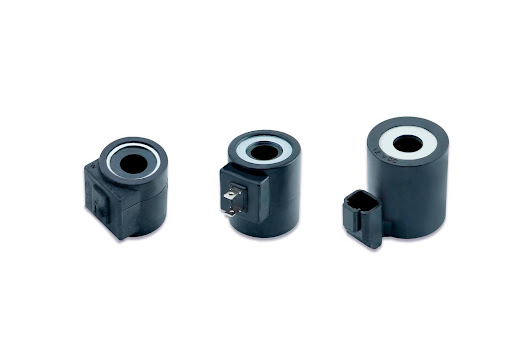
One of the most frequent queries engineers and technicians have regarding electromagnetic devices, such as solenoids, is whether to use 12v solenoid coils or coils at 24 volts. Although it can seem like a simple choice, the voltage rating has a big impact on total system compatibility, cost, safety, and efficiency.
We’ll go over the distinctions between 12V and 24V coils, their optimum applications, and how to choose the one that will work best for your particular situation in this extensive tutorial.
Understanding the Basics of 12v Solenoid Coils
When electrical current flows through a wound conductive wire, known as a solenoid coil, a magnetic field is produced. In the instance of 12v solenoid coils, 12 volts DC (direct current) is the voltage needed to run the coil.
These coils are frequently found in portable electronics, minor industrial applications, home automation systems, and automobile systems. Their interoperability with battery-powered systems, particularly in cars and small appliances, is one factor contributing to their appeal.
Advantages of 12V Solenoid Coils
- Lower cost: In general, 12V coils are less expensive than their 24V equivalents, both in terms of the coil itself and the power source needed.
- Wide availability: 12V components are more often stocked due to their frequent application in consumer and automotive electronics.
- Compact power source: Simple compatibility with power adapters and common 12V batteries.
For a reliable source of these products, check out this 12v solenoid coil supply from Pantene, a trusted manufacturer.
Differences Between 12v Solenoid Coils and 24V Coils
Despite having the same basic function, 12V and 24V solenoid coils can have somewhat different operating properties. Selecting the incorrect voltage can cause your equipment to operate less efficiently or possibly break.
Electrical Efficiency
In order to accomplish the same task, 24V solenoid coils require less current than 12V coils. Reduced current results in less energy being lost as heat, which is particularly significant for systems that need to run continuously.
Formula comparison:
- Power (Watts) = Voltage (V) × Current (I)
- For the same power, doubling the voltage reduces the current by half.
Therefore, a 24V coil would only require 0.5 amps to provide the same 12 watts of electricity as a 12V coil, which might require 1 amp to operate (12W).
Heat Generation
Heat increases with current. 12V solenoid coil systems typically produce more heat than 24V systems, which could shorten component life and necessitate more ventilation or heat dissipation.
Wiring and Voltage Drop
In cases where wire runs are long, 24V systems work well. Because there is less voltage drop along the wire’s length when the current is lower, the system operates consistently.
Best Use Cases for 12v Solenoid Coils
Despite some limitations, 12v solenoid coils shine in specific scenarios. Here’s where they are most commonly and effectively used:
Automotive Industry
Vehicles standardize 12V battery systems, particularly trucks and passenger cars. 12v solenoid coils are frequently used in parts such as HVAC systems, fuel injectors, actuators, and starter motors.
Small Machinery and Portable Devices
Because of their low power consumption, 12V coils are a good choice for devices that must be portable, battery-operated, or small in size. Consider vending machines, robotics for hobbyists, or lawn watering systems.
Residential Automation Systems
In residential situations, 12V adapters or low-voltage cable can readily power smart home systems, such as door locks, window actuators, and water flow regulators.
To explore a comprehensive collection, visit Pantene solenoid coils, where you can browse a full catalog tailored to residential and commercial use.
When to Choose 24V Over 12v Solenoid Coils
Even though the focus of this post is on 12V coils, knowing when 24V is a better alternative will help you make a wiser choice.
Industrial Automation
Because 24V coils are more dependable and efficient in handling more demanding conditions, they are the ideal choice for pneumatic and hydraulic control systems in industrial settings.
HVAC and Building Management
24V systems are advantageous for heating, ventilation, and air conditioning systems because their lower current draw simplifies wiring and guarantees steady operation over extended periods of time.
Reduced Maintenance Systems
Because 24V solenoids produce less heat and wear down wiring less, they are frequently more dependable over the long run if your system runs continuously or is hard to reach.

Factors to Consider When Choosing 12v Solenoid Coils
Choosing the right coil involves more than just voltage. Consider the following:
1. Power Source Availability
Is your system already designed around a 12V battery or power supply? If yes, sticking with 12v solenoid coils might be the best choice to reduce complexity.
2. Physical Space
Because of the higher current, 12V systems typically need bigger cables. Space constraints may have an impact on your design.
3. System Efficiency
12V might be plenty for systems that run sporadically. 24V could reduce long-term operating expenses for continuous operations.
4. Environmental Conditions
The lower current of 24V coils may be more appropriate in settings where heat accumulation may be an issue.
FAQs About 12v Solenoid Coils
Q1: Can I use a 12v solenoid coil with a 24V power supply?
A: No. Applying 24 volts to a 12V coil will overheat and damage it, potentially causing electrical failure or fire.
Q2: Are 12v solenoid coils waterproof?
A: Some are designed to be water-resistant or waterproof. Always check the IP rating before use in outdoor or wet environments.
Q3: Can I replace a 24V solenoid with a 12V one?
A: Only if the system is also downgraded to a 12V power supply. Voltage compatibility is crucial.
Q4: Are there AC versions of 12v solenoid coils?
A: Yes, but AC solenoids behave differently than DC. Ensure the application matches the coil’s specification.
Conclusion: Making the Right Choice for Your Application
Assessing the needs of your particular application is crucial when choosing between 12V and 24V solenoid coils. 24V coils perform better for long runs, continuous operation, and industrial use, even though 12V coils are more affordable and generally suitable for household and automotive systems.