

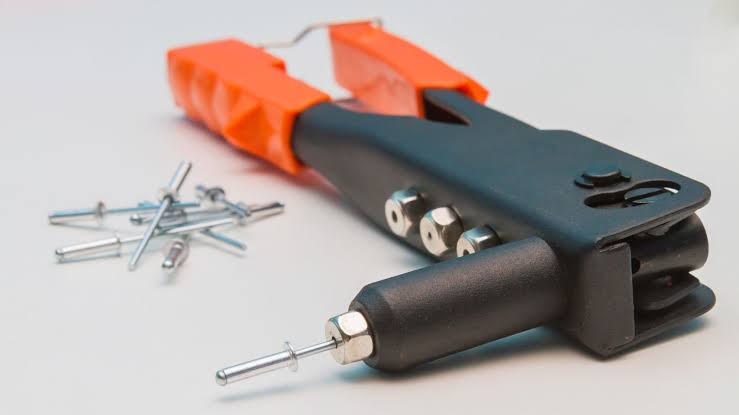
Self-piercing rivets, also known as self-piercing fasteners, are an excellent choice for fastening different materials without pre-drilled holes or heat. They are widely used in industries like automotive, aerospace, and construction. However, choosing the right self piercing rivet for your project is essential to ensure a strong, durable, and efficient joint. This guide will help you understand the key factors to consider when selecting self-piercing rivets.
1. Understand Your Material Types
The first step in choosing the right self-piercing rivet is knowing what materials you will be joining. Some rivets work better with thin sheets, while others are designed for thicker or multi-layered materials. Consider the following:
- Aluminum & Steel: Use high-strength self-piercing rivets to avoid cracking or weakening the joint.
- Composites & Plastics: Choose rivets that can provide a secure grip without causing damage.
- Multi-Material Combinations: Ensure the rivet can penetrate and hold different material types together effectively.
2. Choose the Right Rivet Size and Length
Selecting the correct rivet length is crucial for a secure connection. If the rivet is too short, it may not form a strong joint. If it is too long, it could weaken the materials. To determine the right size:
- Measure the total thickness of the materials being joined.
- Select a self-piercing rivet with a length that allows proper piercing and forming of the joint without breaking through the bottom layer.
3. Consider the Rivet Head Style
Self-piercing rivets come in different head styles, each suited for specific applications:
- Flush Head: Ideal for smooth surfaces, commonly used in automotive and aerospace applications.
- Low-Profile Head: Provides a slight protrusion and is used when some flexibility is needed.
- High-Strength Head: Best for heavy-duty applications that require extra holding power.
4. Check the Rivet Material
Rivets come in different materials, and choosing the right one is important for durability and performance:
- Steel Self-Piercing Rivets: Strong and cost-effective, suitable for most applications.
- Aluminum Self-Piercing Rivets: Lightweight and resistant to corrosion, perfect for automotive and aerospace uses.
- Stainless Steel Self-Piercing Rivets: High resistance to rust and wear, ideal for harsh environments.
5. Consider the Joint Strength Requirements
Different projects require different levels of joint strength. To ensure the best results:
- Determine the load capacity needed for your application.
- Choose a self-piercing rivet with high shear and tensile strength if your project involves heavy loads or vibrations.
6. Evaluate the Installation Equipment
Self-piercing rivets require special tools for installation. Make sure the rivets you choose are compatible with your existing equipment. Some factors to check include:
- Riveting force required to install the self-piercing rivet properly.
- Accessibility of the joining area, ensuring the tool can reach the fastening location.
- Automation compatibility, if the project involves high-speed manufacturing.
7. Assess Environmental Factors
Environmental conditions can affect the performance of self-piercing rivets. Consider the following:
- Corrosion resistance: Choose coated or stainless steel self-piercing rivets for humid or salty environments.
- Temperature resistance: High-temperature applications, such as aerospace, may require specialized rivets.
- Exposure to chemicals: Some industrial settings require self-piercing rivets that resist chemical exposure.
8. Compare Costs and Availability
While self-piercing rivets offer high performance, they also vary in price. Consider:
- Balancing quality and cost—cheaper rivets may not provide the durability you need.
- Bulk purchasing options if your project requires large quantities.
- Availability of replacement rivets to ensure long-term maintenance and repairs.
9. Look for Industry Standards and Certifications
Using rivets that meet industry standards ensures reliability and safety. Look for:
- ISO or ASTM certifications for quality assurance.
- Manufacturer recommendations for specific applications.
- Testing reports that verify strength, durability, and performance.
10. Conduct Sample Testing
Before committing to a large purchase, test the self-piercing rivets on your actual materials. This helps verify:
- The piercing and forming quality of the rivet.
- The strength of the joint under real conditions.
- Any potential issues, such as material cracking or improper fastening.
Conclusion
Choosing the right self-piercing rivet is essential for creating strong and durable joints. By considering material type, rivet size, head style, strength requirements, and environmental factors, you can select the best self-piercing rivet for your project. Always test your choice before large-scale application to ensure it meets your needs. With the right self-piercing rivet, your project will benefit from secure, efficient, and long-lasting fastening solutions.