

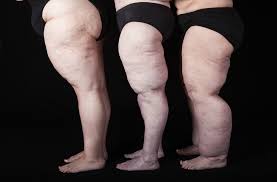
Lipedema is a chronic condition that affects the way fat is lipödem tedavisi stored in the body, mainly impacting women. Although it is relatively common, lipedema remains poorly understood and is often mistaken for obesity or lymphedema.
This misdiagnosis leaves many patients feeling frustrated, as traditional weight-loss methods rarely improve their symptoms. Raising awareness of lipedema is essential for earlier recognition and better treatment outcomes.
What Exactly Is Lipedema?
Lipedema is characterized by lipödem nedir abnormal and symmetrical fat buildup, usually in the lower half of the body. The legs, thighs, and buttocks are most commonly affected, and in some cases, the arms as well. Unlike regular body fat, lipedema fat is resistant to diet and exercise, meaning that no matter how much weight is lost, the affected areas remain disproportionately enlarged.
The condition typically appears during periods of hormonal change such as puberty, pregnancy, or menopause, suggesting a strong link between lipedema and hormones. Genetic factors also play a role, as the condition often runs in families.
Recognizing the Symptoms
Lipedema has several distinct symptoms that set it apart from obesity:
- Symmetrical fat distribution: Both legs or both arms are affected equally.
- Tenderness and pain: The fat tissue feels sensitive and may ache even without pressure.
- Easy bruising: Capillaries under the skin are fragile, so bruises form quickly.
- Feeling of heaviness: Patients often describe their legs as heavy or difficult to move.
As the condition progresses, swelling becomes more severe, mobility may decrease, and emotional distress often increases. Many women struggle with self-esteem due to body changes that they cannot control.
How Doctors Diagnose Lipedema
Because lipedema is commonly confused with other conditions, a careful medical evaluation is needed for diagnosis.
Doctors look for telltale signs such as symmetrical fat deposits that spare the hands and feet, pain on touch, and a personal or family history of similar symptoms. Imaging techniques like ultrasound can sometimes help confirm the diagnosis.
Lipedema is classified into stages based on severity, from mild fat buildup with smooth skin (Stage 1) to large fat lobules and severe mobility problems (Stage 3 and 4). Identifying the stage helps determine the most effective treatment plan.
Treatment and Living With Lipedema
While there is currently no cure, there are effective ways to manage lipedema and improve quality of life. Conservative treatments include compression garments, manual lymphatic drainage, and low-impact exercises such as swimming or cycling. These methods help control swelling, reduce pain, and protect joint health.
In more advanced cases, liposuction designed for lipedema may be considered. This surgical procedure removes diseased fat tissue and can dramatically improve mobility and reduce discomfort. Alongside medical care, emotional and psychological support is also important, as living with lipedema can be mentally and socially challenging.
Final Thoughts
Lipedema is more than a cosmetic issue—it is a real medical condition that requires recognition, compassion, and comprehensive care. By understanding the symptoms, seeking early diagnosis, and exploring available treatments, women with lipedema can take meaningful steps toward better health and a higher quality of life.