

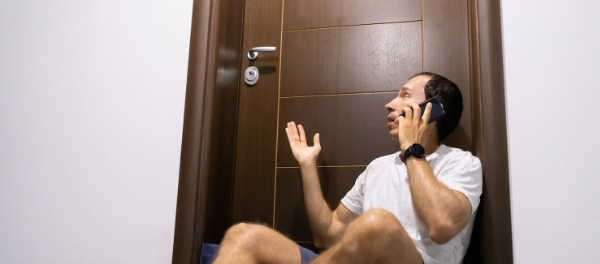
Getting locked out of a flat is one of those situations that never happens at a convenient time. It’s usually late, raining, freezing, or you’re already stressed and in a hurry. One moment the door clicks shut behind you, the next you realise your keys are still inside.
Flat lockouts are especially common in cities, where self-locking doors, shared entrances, and older lock mechanisms are the norm. Knowing what to do in those first few minutes can save you time, money, and unnecessary damage.
Why flat lockouts happen so often
Most flat lockouts aren’t caused by broken locks. They happen because modern doors are designed to lock automatically. Pull the door closed without the key in your pocket and you’re instantly locked out.
Common causes of flat lockouts
– Keys left inside the flat
– Door slamming shut due to wind or faulty closers
– Faulty night latches or Yale-type locks
– Misaligned doors causing locks to jam
– Broken keys snapped inside the cylinder
– Smart locks running out of battery
In apartment buildings, things can be even more complicated. You may get into the communal entrance but be stuck outside your own flat, or locked out of both the building and your door.
What not to do when you’re locked out
Panic often leads to decisions that make the situation worse. Before you try forcing your way back in, it’s worth knowing what to avoid.
Actions that usually cause damage
– Kicking or shoulder-barging the door
– Using screwdrivers, knives, or random tools
– Prying the door frame or hinges
– Climbing through windows or balconies
– Calling the first locksmith without checking credentials
Forcing entry often results in damaged doors, broken frames, or locks that need full replacement. What could have been a simple entry can quickly become expensive.
Simple checks before calling for help
Before reaching for your phone, take a moment to assess the situation calmly.
Quick things to check
Is any window open or safely accessible?
Do you have a spare key with a neighbour, friend, or concierge?
Is the door just closed or fully deadlocked?
Is the lock stiff or actually broken?
If the door is only latched shut and not deadlocked, professional entry is usually possible without damage. W Locksmith is always prepared to offer assistance and security advice in minutes.
Why flats need specialist lockout handling
Flats often use different locking systems from houses. Night latches, mortice locks, and dual-lock setups require experience to open safely.
In shared buildings, locksmiths must also avoid damaging communal doors, triggering alarm systems, affecting neighbouring flats, or compromising fire safety doors. This is why flat lockouts should be handled by someone familiar with apartment entry methods.
Non-destructive entry is often possible
Many people assume a lock has to be drilled during a lockout. In reality, most flat lockouts can be resolved without replacing the lock.
Common non-destructive techniques
Latch manipulation
Specialist bypass tools
Cylinder decoding
Safe handle removal where permitted
Drilling should always be a last resort. A locksmith should inspect the door before suggesting it.
How to choose the right locksmith during a lockout
When you’re locked out, it’s easy to rush the decision. Taking an extra minute can help you avoid overcharging or poor workmanship.
What to look for
Clear pricing explained before arrival
No hidden call-out fees
Local coverage rather than national call centres
Proper identification and professional tools
Experience with flats and apartments
Be cautious of vague quotes like “from £49” with no explanation. A reliable locksmith will ask about the door and lock before giving a realistic price.
After you’re back inside: preventing future lockouts
Once access is restored, it’s worth taking steps to avoid the same situation happening again.
Simple preventative measures
– Leave a spare key with someone you trust
– Fix faulty door closers that slam shut
– Replace worn or unreliable night latches
– Install a thumb-turn cylinder where allowed
– Set reminders for smart lock battery changes
Many lockouts are repeat incidents. Small changes can prevent future emergencies.
Renters vs homeowners: who pays?
Responsibility depends on the cause of the lockout.
General responsibility guidelines
Lost keys are usually the tenant’s responsibility
Faulty locks due to wear may be the landlord’s responsibility
Emergency access arranged by the tenant is often chargeable
Tenants should check their tenancy agreement once the situation is resolved.
Final thoughts
A lockout from a flat is frustrating, but it doesn’t have to turn into a major problem. Staying calm, avoiding damage, and getting the right help can keep costs and stress to a minimum.
With the right approach, most flat lockouts are resolved quickly and safely. A few preventative steps afterwards can ensure it doesn’t happen again at the worst possible time.