

Introduction to Cold Sores
Cold sores, often referred to as fever blisters, are small, painful blisters that typically appear on or around the lips. They are caused by the herpes simplex virus (HSV), with HSV type 1 being the most common culprit. For many individuals, these outbreaks can be an unwelcome and recurring issue, leading to discomfort and potential social embarrassment.
The initial infection may not always manifest symptoms; however, subsequent outbreaks are common as the virus remains dormant in the body’s nerve cells and can be triggered by various factors such as stress, illness, hormonal changes, or sun exposure. Understanding how to manage cold sores effectively is crucial for those who experience frequent outbreaks.
Understanding Aciclovir Tablets
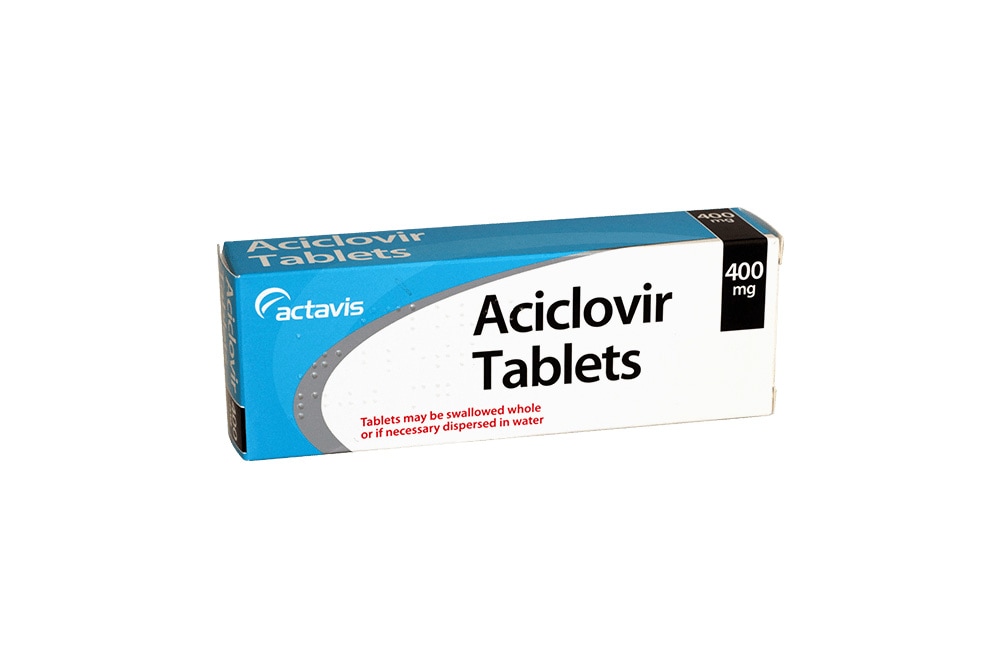
Aciclovir is an antiviral medication that plays a significant role in managing herpes virus infections, including cold sores. This medication works by slowing down the growth and spread of the virus within the body.
Aciclovir tablets are commonly prescribed for both the treatment of active outbreaks and as a preventive measure for individuals who experience frequent recurrences. By inhibiting the replication of viral DNA, aciclovir helps to reduce the severity and duration of cold sore outbreaks.
Mechanism of Action of Aciclovir
Aciclovir targets the herpes virus specifically by mimicking one of its building blocks, which leads to premature termination of viral DNA synthesis. The drug is selectively activated in infected cells where it is converted to its active form, acyclovir triphosphate.
This selective activation means that aciclovir is less harmful to normal, uninfected cells in the body. By interfering with viral replication at a cellular level, aciclovir reduces the viral load and aids in faster recovery from cold sore symptoms.
Indications for Use
Aciclovir tablets are indicated for various stages of herpes simplex virus infections:
1. Treatment of acute cold sore outbreaks.
2. Suppressive therapy for individuals who experience frequent recurrences.
3. Prophylaxis in immunocompromised patients to prevent initial or recurrent infection.
It is essential for individuals to consult healthcare professionals before starting treatment with aciclovir tablets to determine their specific needs based on their medical history and frequency of outbreaks.
Dosage and Administration Guidelines
The dosage of aciclovir can vary depending on several factors including patient age, kidney function, and whether it is being used for treatment or prevention:
1. For treating an active outbreak: The typical adult dosage is 200 mg taken five times a day for five days.
2. For suppressive therapy: An adult may take 400 mg twice daily.
3. In children: Dosages are adjusted according to their age and weight.
It is important to adhere strictly to prescribed dosages and schedules to maximize efficacy while minimizing side effects. Patients should also ensure adequate hydration throughout their treatment period.
Possible Side Effects and Precautions
While aciclovir is generally well-tolerated, some users may experience side effects:
1. Common side effects include nausea, diarrhea, headache, or dizziness.
2. Serious side effects may include renal impairment or neurological symptoms such as tremors or confusion; these require immediate medical attention.
Patients should inform their healthcare provider about any existing medical conditions or medications they are taking to avoid potential interactions or complications.
Special caution should be exercised in cases of renal impairment since aciclovir is primarily excreted through the kidneys.
Tips for Managing Cold Sores Effectively
In addition to using aciclovir tablets, there are several lifestyle strategies that can help mitigate cold sore outbreaks:
1. Avoid triggers: Identifying personal triggers—such as stress, fatigue, or sun exposure—can significantly reduce the frequency of outbreaks.
2. Maintain good hygiene: Frequent hand washing and avoiding direct contact with affected areas can prevent spreading the virus.
3. Use sunscreen: Applying lip balm with SPF protection can help protect against sun-induced flare-ups.
4. Stay healthy: A balanced diet rich in vitamins C and E may support immune health.
Employing these strategies alongside aciclovir treatment can enhance overall management of cold sores.
The Role of Post My Meds in Cold Sore Management
Post My Meds offers a convenient platform for obtaining prescription medications such as aciclovir tablets with ease and reliability. This service ensures that patients have access to necessary medications while also providing reminders for taking doses on time.
Using Post My Meds not only simplifies the process but also aligns perfectly with managing cold sores proactively by ensuring that medications are consistently available when needed most.
Embracing a Proactive Approach
The combination of effective antiviral therapy with aciclovir tablets and proactive lifestyle modifications presents a comprehensive strategy for managing cold sores. By understanding the nature of cold sores and employing effective treatments alongside preventive measures, individuals can significantly improve their quality of life.
Moreover, keeping abreast of new developments in herpes virus research can empower patients with knowledge about evolving treatment options and potential vaccines in development.
By taking charge of their health through informed choices and effective management strategies such as those provided by Post My Meds, individuals can navigate their experiences with cold sores more successfully than ever before.