

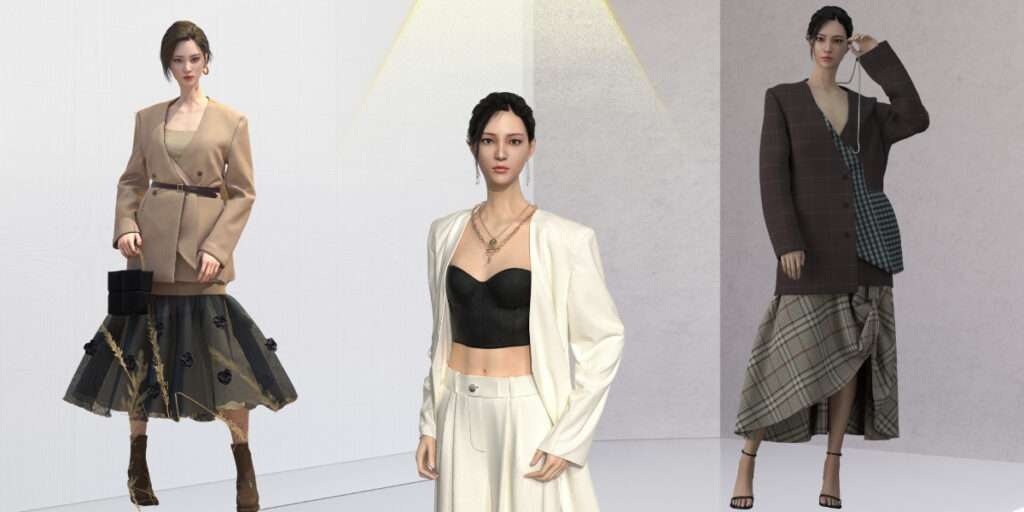
Personal Fashion Style is the foundation of a confident and authentic appearance, allowing individuals to express their identity through clothing and visual presentation. It goes beyond trends and focuses on building a consistent look that aligns with personality and lifestyle. To understand the core principles behind developing a unique wardrobe, explore this detailed resource on Personal Fashion Style, which explains how to define and refine your individual fashion identity.
In today’s fashion landscape, where trends shift rapidly, mastering personal style is essential for creating a lasting impression. Instead of constantly adapting to external influences, individuals who develop a signature look are able to maintain consistency while still evolving their appearance over time.
Understanding Personal Fashion Style
Personal fashion style is the combination of clothing choices, colors, accessories, and overall aesthetics that reflect who you are. It is shaped by factors such as culture, profession, preferences, and daily routines. Unlike trends, which are temporary, personal style is long-lasting and evolves gradually.
A well-defined personal style helps you communicate your personality without words. Whether your approach is minimalist, classic, modern, or bold, your clothing becomes a representation of your identity.
Why a Signature Look Matters
Having a signature look simplifies your wardrobe decisions and strengthens your personal image. When you know what works for you, shopping becomes more focused, and outfit selection becomes effortless. This not only saves time but also reduces unnecessary spending.
A consistent fashion style also enhances confidence. Wearing outfits that align with your identity makes you feel more comfortable and self-assured in both personal and professional settings.
Differentiating Between Trends and Personal Style
One of the key aspects of mastering personal fashion style is understanding the difference between trends and individuality. Trends are influenced by the fashion industry and tend to change frequently. While they can be exciting and inspiring, they are not always suitable for everyone.
Personal style, on the other hand, is deeply rooted in your preferences. It reflects your long-term aesthetic rather than temporary influences. Incorporating trends selectively allows you to stay current without losing your identity.
Steps to Define Your Signature Look
The process of defining your signature look begins with self-awareness. Start by evaluating your current wardrobe and identifying the pieces you wear most often. These items often reveal your natural style preferences.
Next, consider your lifestyle and daily activities. Your clothing should support your routine while maintaining a sense of style. Comfort and practicality should always be balanced with aesthetics.
Experimentation is another important step. Trying different combinations, textures, and styles helps you discover what truly resonates with you. Over time, these experiments will guide you toward a consistent fashion identity.
For additional insights into building a meaningful and expressive wardrobe, you can refer to this informative guide on defining your own fashion style, which offers practical advice on aligning clothing choices with personal identity.
The Importance of Fit and Silhouette
Fit is one of the most important elements in fashion. Clothes that fit well enhance your appearance and create a polished look. Understanding your body shape allows you to choose silhouettes that complement your proportions.
Whether you prefer structured tailoring or relaxed outfits, selecting the right fit ensures that your style remains both comfortable and visually appealing.
Building a Cohesive Color Palette
Color plays a crucial role in defining your personal fashion style. A well-chosen color palette creates harmony in your wardrobe and makes it easier to combine different pieces.
Neutral tones provide versatility, while bold colors add personality and uniqueness. Identifying colors that suit your skin tone helps in creating a consistent and balanced look.
Creating a Functional Wardrobe
A signature style is supported by a functional wardrobe. Instead of collecting random clothing items, focus on building a collection that works together. Invest in essential pieces that can be styled in multiple ways.
Adding a few statement items allows you to express creativity without disrupting the overall consistency of your style. This balance ensures that your wardrobe remains practical and stylish.
Staying True to Your Style
In a trend-driven world, staying true to your personal fashion style can be challenging. Social media and fast fashion often promote constant change, but authenticity should always come first.
Your style should reflect your true self rather than external expectations. As your preferences and lifestyle evolve, your style will naturally adapt while maintaining its core identity.
Conclusion
Mastering personal fashion style is a journey of self-discovery and refinement. By understanding your preferences, focusing on fit and color, and building a cohesive wardrobe, you can create a signature look that reflects your identity.
A well-defined style not only enhances your appearance but also boosts confidence and simplifies everyday decisions. With consistency and awareness, your personal fashion style becomes a powerful tool for self-expression.
FAQs
- What is personal fashion style?
Personal fashion style is the unique way an individual expresses their identity through clothing, colors, and overall appearance. - How can I create a signature look?
You can create a signature look by understanding your preferences, choosing clothes that fit well, and maintaining a consistent color palette. - Is it necessary to follow fashion trends?
No, following trends is optional. It is more important to focus on what suits your personality and lifestyle. - How does fit impact personal style?
Proper fit enhances your appearance and ensures that your outfits look polished and comfortable. - Can personal style change over time?
Yes, personal style evolves as your preferences, experiences, and lifestyle change.