

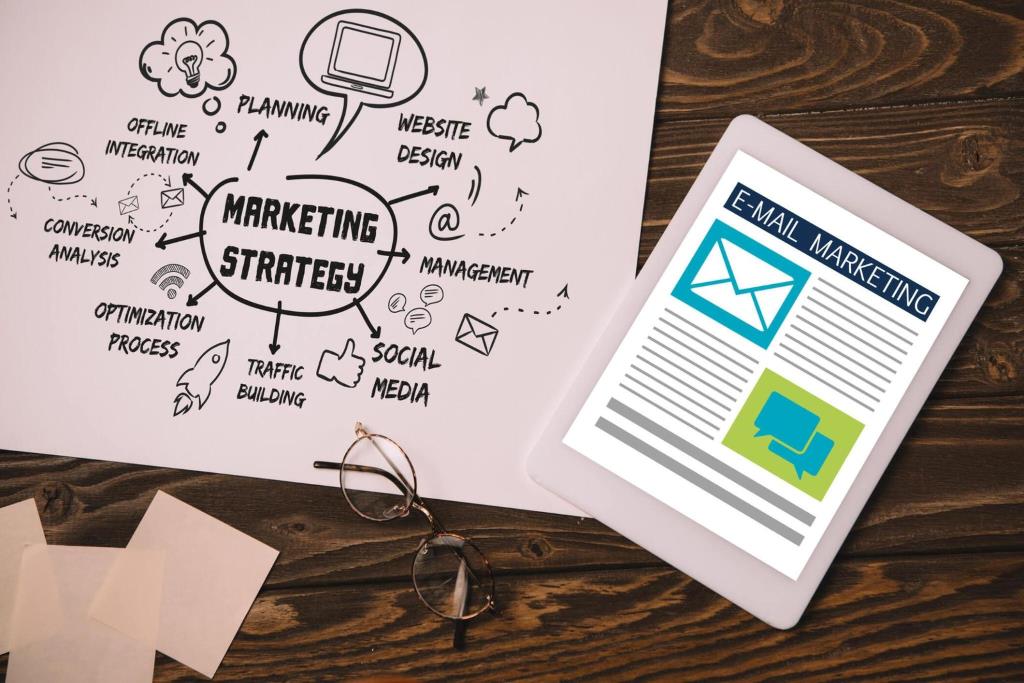
In today’s digital age, where online communication is paramount, email marketing remains a cornerstone strategy for businesses to connect with their audience, nurture leads, and drive conversions. Managing email marketing effectively demands more than sporadic newsletters; it necessitates meticulous planning, strategic execution, and appropriate tools and technologies.
In this article, we’ll explore effective strategies for navigating the digital landscape with email marketing management solutions, empowering businesses to maximize the impact of their email campaigns and achieve their marketing objectives.
Understanding Email Marketing Management Solutions
Email marketing management solutions encompass a range of tools, software platforms, and strategies designed to streamline the process of creating, sending, tracking, and analyzing email campaigns.
These solutions allow businesses to manage their email marketing efforts efficiently, ensuring consistency, relevance, and effectiveness in their communications with subscribers and customers.
From email automation and personalization to segmentation and analytics, email marketing management solutions such as Lounge Lizard provide businesses with the tools they need to deliver targeted and engaging email campaigns that drive results.
Key Components of Email Marketing Solutions
Effective email marketing solutions comprise various components that create successful campaigns. Understanding these key components is essential for businesses aiming to maximize the impact of their email marketing efforts.
The fundamental elements that constitute robust email marketing solutions, empower businesses to engage their audience effectively and drive results. These key components include:
1. Email Automation
Automation features allow businesses to schedule and send emails automatically based on predefined triggers or actions such as sign-ups, purchases, or website interactions.
This helps businesses stay engaged with their audience without requiring manual intervention, saving time and effort while maintaining consistent communication.
2. Personalization
Personalization is key to creating engaging and relevant email content that resonates with recipients.
Email marketing management solutions enable businesses to personalize emails based on recipient demographics, preferences, and behavior, allowing for more targeted and effective communication.

3. Segmentation
Segmenting your email list based on various criteria such as demographics, purchase history, or engagement level enables businesses to send more targeted and relevant content to specific groups of subscribers.
This increases the likelihood of engagement and conversions while reducing the risk of unsubscribes or spam complaints.
4. A/B Testing
A/B testing, also known as split testing, allows businesses to experiment with different elements of their email campaigns such as subject lines, content, or call-to-action buttons, to determine which variations perform best.
Email marketing management solutions facilitate A/B testing by providing tools to create and analyze test campaigns, helping businesses optimize their email performance over time.
5. Analytics and Reporting
Comprehensive analytics and reporting features provide businesses with valuable insights into the performance of their email campaigns.
Email marketing management solutions track key metrics such as open rates, click-through rates, conversion rates, and more, allowing businesses to measure the effectiveness of their campaigns and make data-driven decisions to improve results.
Effective Strategies for Email Marketing Management
Crafting and implementing effective strategies for email marketing management is essential for businesses looking to maximize the impact of their email campaigns. From segmentation and personalization to automation and analytics, there are various strategies that businesses can employ to enhance the effectiveness of their email marketing efforts.
We explore key strategies for email marketing management that can help businesses engage their audience, drive conversions, and achieve their marketing objectives. These effective strategies include:
1. Define Your Objectives
Before implementing email marketing management solutions, clearly define your objectives and goals for your email campaigns.
Whether it’s driving sales, increasing website traffic, or nurturing leads, having clear objectives will guide your strategy and measurement efforts.
2. Know Your Audience
Understanding your target audience’s preferences, interests, and behavior is essential for creating relevant and engaging email content.
Use data from your email marketing management solution to segment your audience and personalize your messaging accordingly.
3. Create Compelling Content
Craft compelling and valuable content that resonates with your audience and provides them with solutions to their pain points or challenges.
Whether it’s informative articles, product updates, or special offers, focus on delivering value to your subscribers with every email.
4. Optimize for Mobile
With the majority of email opens now occurring on mobile devices, it’s essential to ensure that your emails are mobile-friendly and optimized for smaller screens.
Use responsive design techniques and test your emails across various devices and email clients to ensure a seamless experience for all recipients.
5. Monitor and Iterate
Regularly monitor the performance of your email campaigns using the analytics and reporting features provided by your email marketing management solution.
Track key metrics, analyze trends, and identify areas for improvement, then iterate on your campaigns to optimize results over time.
Conclusion
Navigating the digital landscape with effective email marketing management solutions is essential for businesses looking to connect with their audience, drive engagement, and achieve their marketing objectives.
Businesses can create targeted and engaging email campaigns that resonate with recipients and drive results by leveraging automation, personalization, segmentation, and analytics.
With the right strategies and tools in place, businesses can navigate the complexities of email marketing with confidence, delivering value to their audience and driving success in the digital realm.
Informative share!! Email marketing remains crucial for businesses. Effective management strategies help navigate the digital landscape, improving engagement and conversion rates. Personalization is key.