

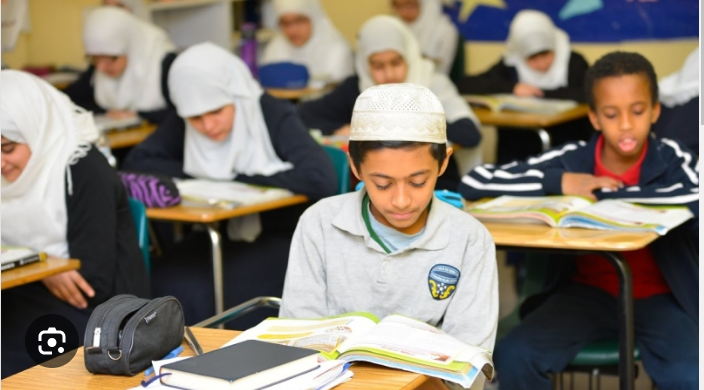
In today’s digital era, the landscape of education has undergone a significant transformation, and this includes the realm of Islamic education. Online Islamic schools have emerged as a viable option for individuals seeking to deepen their understanding of Islam while pursuing academic excellence. Let’s delve into the world of online Islamic education, exploring its benefits, misconceptions, functionality, and how to make the most of this educational platform.
Introduction to Online Islamic Education
Online Islamic schools offer a unique blend of traditional Islamic teachings and modern educational methodologies. They provide students with the opportunity to study various aspects of Islam, including Quranic studies, Islamic history, Arabic language, and more, all within a flexible online environment.
Benefits of Online Islamic Schools
Flexibility in Learning
One of the key advantages of online Islamic schools is the flexibility they offer. Students can access course materials and lectures at their convenience, allowing them to balance their studies with other commitments such as work or family responsibilities.
Access to Qualified Instructors
Contrary to popular belief, online Islamic schools often employ highly qualified instructors who are experts in their respective fields. These instructors utilise interactive teaching methods to engage students and foster a deeper understanding of Islamic concepts.
Customised Curriculum
Online Islamic schools tailor their curriculum to meet the diverse needs of students. Whether beginners or advanced learners, individuals can find courses that cater to their level of knowledge and understanding, ensuring a personalised learning experience.
Common Misconceptions About Online Islamic Schools
Lack of Religious Environment
Some may question the authenticity of online Islamic education, fearing that it lacks the immersive religious environment of traditional brick-and-mortar schools. However, many online Islamic schools create virtual learning environments that simulate the atmosphere of a traditional classroom, fostering a sense of community and religious immersion.
Quality of Education
Another misconception is regarding the quality of education offered by online Islamic schools. However, accredited online Islamic schools adhere to rigorous educational standards, ensuring that students receive a high-quality education that is on par with traditional institutions.
How Online Islamic Schools Work
Virtual Classrooms
Online Islamic schools utilise virtual classrooms equipped with interactive tools such as video lectures, live discussions, and multimedia presentations. These platforms enable students to engage with course materials and interact with instructors and fellow classmates in real-time.
Interactive Learning Tools
In addition to virtual classrooms, online Islamic schools often incorporate interactive learning tools such as quizzes, forums, and educational games to enhance the learning experience and reinforce key concepts.
Communication Channels
To facilitate communication between students and instructors, online Islamic schools offer various communication channels such as email, chat rooms, and discussion forums. These channels enable students to seek clarification, ask questions, and engage in academic discourse.
Accreditation and Certification
Importance of Accreditation
Accreditation plays a crucial role in ensuring the credibility and quality of online Islamic schools. Accredited institutions undergo rigorous evaluation processes to ensure that they meet established standards of academic excellence and Islamic education.
Recognised Certification Programs
Upon completing their studies, students of accredited online Islamic schools receive recognised certification that is widely accepted within the academic and professional spheres.
Choosing the Right Online Islamic School
Research and Reviews
When selecting an online Islamic school, it is essential to conduct thorough research and read reviews from current and former students. This enables prospective students to gain insights into the school’s reputation, teaching methodologies, and student satisfaction levels.
Curriculum Evaluation
Prospective students should also evaluate the school’s curriculum to ensure that it aligns with their educational goals and interests. This includes reviewing course offerings, syllabi, and teaching materials to determine the suitability of the program.
Accreditation Status
Lastly, it is crucial to verify the accreditation status of the online Islamic school to ensure that it meets recognised standards of academic excellence and Islamic education.
Overcoming Challenges in Online Islamic Education
Technology Issues
One of the challenges of online Islamic education is navigating technical issues such as internet connectivity problems or software glitches. However, with proper technical support and troubleshooting resources, these challenges can be overcome.
Maintaining Discipline
Another challenge is maintaining discipline and motivation in a self-paced online learning environment. Students must develop effective time management skills and stay committed to their studies to succeed in an online Islamic school.
Addressing Social Interaction
Online Islamic schools strive to create opportunities for social interaction and community engagement through virtual forums, discussion groups, and collaborative projects. By actively participating in these activities, students can forge meaningful connections with peers and instructors.
Supporting Resources for Online Islamic Learning
Online Libraries and Resources
Online Islamic schools provide access to extensive libraries and resources, including digital archives, e-books, scholarly articles, and multimedia materials. These resources enrich the learning experience and enable students to delve deeper into their studies.
Community Engagement Platforms
To foster a sense of community and belonging, online Islamic schools often host virtual events, seminars, and workshops where students can interact with each other and engage in academic discussions. These platforms promote collaboration, networking, and lifelong learning.
Conclusion
In conclusion, online Islamic schools and online primary schools offer a dynamic and accessible platform for individuals to pursue Islamic education and academic excellence. By leveraging modern technology and innovative teaching methodologies, these institutions provide students with the flexibility, quality, and community support needed to thrive in today’s digital age.