

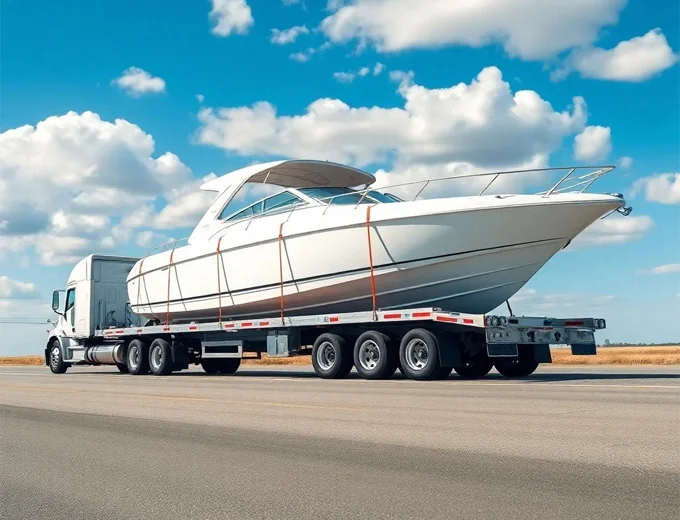
Boat transport services in the United States play a vital role in supporting the country’s massive recreational boating industry, marine businesses, and international trade. Whether moving a small fishing boat across a state or shipping a luxury yacht overseas, professional boat transport services provide safe, efficient, and reliable solutions for vessel relocation.
In this comprehensive guide, we will explore how boat transport services work in the USA, the different types of transport methods, costs involved, regulations, and how to choose the best service provider.
What Are Boat Transport Services?
Boat transport services refer to the professional movement of watercraft from one location to another using specialized equipment, logistics, and expertise. These services are used by boat owners, dealerships, manufacturers, and brokers to relocate vessels across cities, states, or even internationally.
Transporting a boat is far more complex than moving a standard vehicle. It requires careful handling, route planning, permits, and specialized trailers designed to carry different boat sizes and shapes. Professional companies ensure that the boat is securely loaded, transported, and delivered without damage.
Types of Boat Transport Services in the USA
Boat transport in the USA is categorized into several types based on distance, boat size, and destination.
1. Overland (Road) Transport
Road transport is the most common method used within the United States. Boats are loaded onto custom trailers and transported via trucks.
- Ideal for domestic relocation
- Cost-effective for short to long distances
- Suitable for small to mid-sized boats
Most boat transport companies use specialized trailers and experienced drivers to ensure safe delivery. Route planning is crucial, especially for oversized boats that require permits and escorts.
2. Inland Waterway Transport
Some boats are transported through rivers, canals, and inland waterways by being piloted or towed.
- Used for boats already in water
- Cost-effective for certain routes
- Limited by geography
This method is less common but can be efficient when waterways connect the origin and destination.
3. Ocean Freight (International Shipping)
For international boat transportation, ocean freight is the primary method.
- Container shipping for smaller boats
- Roll-on/Roll-off (RoRo) shipping
- Flat rack or cradle systems for yachts
Shipping a yacht internationally can cost tens of thousands of dollars depending on distance and size, with some routes reaching $90,000+ for large vessels.
4. Air Freight (Rare Cases)
Air transport is rarely used due to high costs, but it may be suitable for:
- Small boats
- Urgent deliveries
- High-value vessels
How Boat Transport Services Work
The process of transporting a boat typically involves several steps:
1. Requesting a Quote
Customers provide details such as boat size, weight, pickup location, and destination. Costs are calculated based on these factors.
2. Planning and Scheduling
Transport companies plan the route, obtain permits (if required), and assign appropriate equipment.
3. Preparation of the Boat
Boat owners must prepare the vessel by:
- Removing personal items
- Securing loose parts
- Draining fluids (if required)
- Covering the boat for protection
4. Pickup and Loading
The boat is carefully loaded onto a trailer or shipping container using cranes or hydraulic systems.
5. Transportation
The boat is transported via the chosen method, with tracking and updates provided.
6. Delivery and Inspection
Upon arrival, the boat is unloaded and inspected for any damage.
Professional companies handle logistics, compliance, and safety throughout the process, ensuring a hassle-free experience for customers.
Cost of Boat Transport Services in the USA
Boat transport costs vary widely depending on several factors.
Average Cost Per Mile
- Typically ranges between $1.50 to $4.00 per mile
- Smaller boats: $1.50–$2.50 per mile
- Larger boats: up to $3.50+ per mile
For example:
- A 20-foot boat (500 miles): $750–$1,000
- A 30-foot boat (300 miles): $600–$750
Key Factors Affecting Cost
- Boat Size and Weight
Larger boats require specialized trailers and handling. - Distance
Longer distances increase total cost but may reduce cost per mile. - Route Complexity
Narrow roads, bridges, and permits can add costs. - Seasonality
Prices often rise during peak boating seasons (spring and summer). - Transport Method
Road transport is cheaper than air freight, while ocean shipping varies based on distance and vessel type. - Accessibility
Difficult pickup or delivery locations may require additional equipment.
Regulations and Legal Requirements
Boat transport in the USA is subject to federal and state regulations.
Oversized Load Regulations
Boats exceeding standard width (8.5 feet) require:
- Special permits
- Escort vehicles
- Restricted travel times
Department of Transportation (DOT) Rules
Transport companies must comply with safety standards, weight limits, and licensing requirements.
Insurance Requirements
Reputable companies provide insurance coverage to protect against damage during transit.
International Shipping Regulations
When shipping overseas, additional requirements include:
- Customs documentation
- Import/export duties
- Port handling procedures
Benefits of Using Professional Boat Transport Services
Hiring a professional boat transport company offers several advantages:
1. Safety and Expertise
Professionals have experience handling different types of boats and ensuring secure transport.
2. Time Efficiency
Transport companies handle logistics, saving time for boat owners.
3. Compliance with Regulations
They manage permits, legal requirements, and route planning.
4. Insurance Protection
Coverage ensures financial protection in case of damage.
5. Specialized Equipment
Custom trailers and lifting equipment reduce the risk of damage.
Types of Boats Transported
Boat transport services in the USA handle a wide variety of vessels:
- Fishing boats
- Speedboats
- Sailboats
- Yachts
- Jet skis
- Pontoon boats
From small personal watercraft to large luxury yachts, transport companies tailor their services to meet specific needs.
Challenges in Boat Transportation
Despite its advantages, boat transport comes with challenges:
1. Size Restrictions
Oversized boats require permits and special handling.
2. Weather Conditions
Bad weather can delay shipments or increase costs.
3. Route Limitations
Bridges, tunnels, and narrow roads may affect transport routes.
4. High Costs for Large Boats
Transporting large yachts can be expensive, especially internationally.
Choosing the Best Boat Transport Company
Selecting the right transport company is crucial for a smooth experience.
Key Factors to Consider:
- Experience and reputation
- Customer reviews
- Insurance coverage
- Transparent pricing
- Nationwide or international coverage
- Availability of tracking services
It is recommended to compare multiple quotes and verify credentials before making a decision.
Domestic vs International Boat Transport
Domestic Transport
- Faster and more affordable
- Mostly done via road transport
- Fewer regulatory requirements
International Transport
- Requires customs clearance
- Higher costs
- Longer transit times (30–45 days in some cases)
Future Trends in Boat Transport Services
The boat transport industry in the USA is evolving with advancements in technology and logistics.
Emerging Trends:
- Online cost calculators for instant quotes
- GPS tracking for real-time updates
- Eco-friendly transport solutions
- Increased demand for international shipping
These innovations are making boat transport more efficient and transparent for customers.
Conclusion
Boat transport services in the USA provide essential solutions for safely moving vessels across short and long distances. With various transport methods, competitive pricing options, and professional handling, these services have become indispensable for boat owners and marine businesses.
Whether you are transporting a small fishing boat across state lines or shipping a luxury yacht internationally, understanding the process, costs, and regulations can help you make informed decisions. By choosing a reliable transport company and preparing your boat properly, you can ensure a smooth and stress-free shipping experience.