

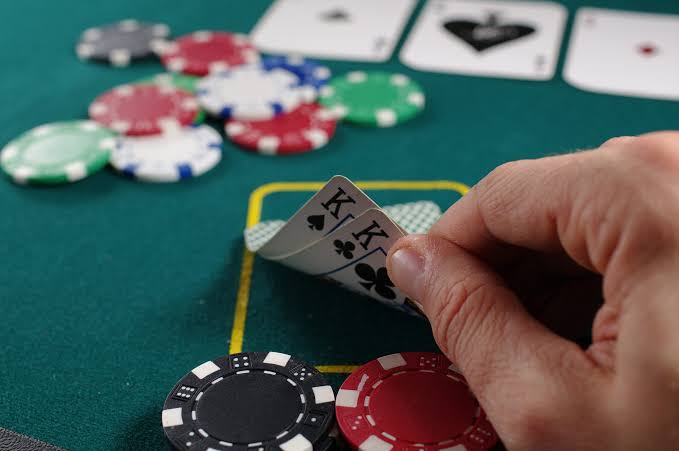
Poker is one of the most popular card games in the world for all adults.. It has evolved over centuries and is now enjoyed in RAJASPORT many different formats, from casual games among friends to prestigious international tournaments. What makes poker unique is its combination of strategy, psychological skill, risk management, and an element of luck.
A Brief History of Poker
The true origins of poker remain a popular topic of debate among historians.. Many believe the game was influenced by several European and Persian card games before developing into its modern form in the United States during the 19th century. Over time, poker gained widespread popularity and evolved into multiple variations played across the globe.
Basic Rules of Poker
The primary objective of poker is to win the pot by either holding the strongest hand at the showdown or convincing other players to fold through strategic betting. During each round, players receive cards and can choose from several actions, including:
- Check – Pass the action without betting when allowed.
- Bet – Place the first wager in a betting round.
- Call – Match the current bet made by another player.
- Raise – Increase the amount of the current bet.
- Fold – Discard your cards and exit the current round..
The winner is determined by the highest-ranking poker hand or by being the last remaining player after all others have folded.
Popular Variations of Poker
There are several well-known versions of poker, including:
- Texas Hold’em – The world’s most popular poker variant, featuring two private cards and five community cards.
- Omaha – Similar to Texas Hold’em, but each player receives four private cards each game..
- Seven-Card Stud – A classic version that does not use community cards, requiring a different strategic approach.
- Five-Card Draw – One of the simplest and oldest poker variants, making it ideal for beginners.
Each variation offers its own unique rules and gameplay experience.
Essential Poker Strategies
Success in poker depends on much more than receiving good cards. Skilled players often focus on:
- Understanding the odds and probabilities of different hands.
- Managing their bankroll responsibly.
- Observing opponents’ betting patterns and behavior.
- Remaining patient and making calculated decisions.
- Adjusting their strategy based on the opponent’s game situation..
Experienced players rely on critical thinking, discipline, and decision-making rather than luck alone.
The Importance of Responsible Play
When poker is played in settings that involve real-money wagering, responsible play is essential. Players should establish clear limits on both time and spending before participating, avoid chasing losses, and treat poker as a form of entertainment rather than a guaranteed source of income. If gambling begins to negatively affect finances or daily life, it is important to stop playing and seek appropriate support.
Conclusion
Poker is a fascinating card game that combines strategy, skill, psychology, and chance. Its enduring popularity stems from the intellectual challenge and social interaction it provides. By understanding the rules, developing sound strategies, and practicing responsible play, players can enjoy poker as an engaging and entertaining activity.