

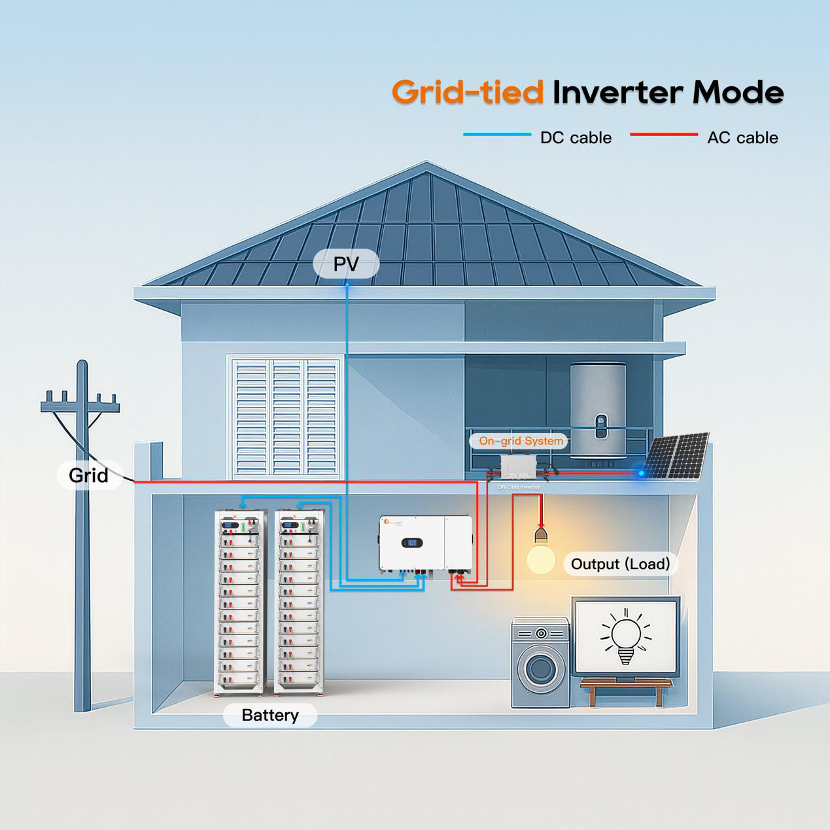
A 50kW hybrid inverter is a high-performance energy solution that combines solar energy and grid connectivity into one device. Whether you’re considering it for a large residential property, a commercial space, or an industrial setting, a hybrid inverter offers flexibility, efficiency, and the potential for significant energy savings.
In this article, we will explore the pros and cons of using a 50kW hybrid inverter to help you determine if it’s the right solution for your energy needs.
Pros of a 50kW Hybrid Inverter
1. Energy Independence
One of the key advantages of a 50kW hybrid inverter is the increased level of energy independence it offers. By converting the solar energy into electricity, you can reduce your reliance on the grid. The inverter manages energy use effectively, using solar power first, followed by stored energy from the batteries, and only drawing from the grid when necessary.
This can lead to reduced electricity bills and greater autonomy, especially in areas with high energy costs or unreliable grid infrastructure.
2. Cost-Effectiveness
Although the upfront cost of a 50kW hybrid inverter can be significant, the long-term savings often outweigh the initial investment. Hybrid inverters allow you to make use of the energy generated by your solar panels, store excess power for later use, and even sell excess energy back to the grid. This results in lower monthly utility bills and, in many cases, a return on investment over time.
Additionally, the use of a hybrid inverter can qualify you for tax incentives or rebates in some regions, further improving the cost-effectiveness of the system.
3. Scalability and Flexibility
A 50kW hybrid inverter can easily be scaled to meet the energy demands of various setups. Whether you’re expanding your solar panel system or adding more storage capacity, hybrid inverters offer the flexibility to accommodate future growth. The inverter can be programmed to suit different operating modes, such as on-grid, off-grid, or backup modes, making it adaptable to a wide range of needs.
This scalability ensures that the system can evolve with your energy requirements, especially in large residential buildings or commercial settings.
4. Improved Grid Stability and Backup Power
In areas prone to frequent power outages or unstable grid conditions, a 50kW hybrid inverter can provide critical backup power. The inverter seamlessly switches to battery storage when the grid goes down, ensuring that important appliances or systems remain operational. This can be a lifesaver for businesses that rely on continuous power supply or for households in regions with unreliable power infrastructure.
Cons of a 50kW Hybrid Inverter
1. High Initial Cost
The most significant disadvantage of a 50kW hybrid inverter is the high upfront cost. While the system can save money in the long run, the initial installation of the inverter, solar panels, and batteries can be a substantial investment. This can be a barrier for some homeowners or small businesses looking to adopt solar energy, although financing options and rebates may help alleviate the cost.
Additionally, the complexity of the installation process may require professional assistance, further increasing the cost.
2. Maintenance Requirements
Hybrid inverters require regular maintenance to ensure optimal performance. This includes checking the battery’s health, cleaning the solar panels, and updating firmware. Though generally low-maintenance, these tasks are necessary to prolong the life of the system and ensure that it continues to operate efficiently. For individuals or businesses with limited time or technical expertise, this could be seen as a drawback.
Furthermore, in the case of malfunction, repairs or replacements of components can be expensive, especially when dealing with large systems.
3. Battery Degradation Over Time
The batteries in a 50kW hybrid inverter store excess energy for later use, but like all batteries, they degrade over time. The more cycles the battery goes through (charging and discharging), the shorter its lifespan becomes. After several years, the battery may need to be replaced, which can be costly.
It’s important to factor in the cost of battery replacement when planning the long-term financial viability of the system.
Conclusion
Before making a decision, it’s essential to carefully assess your energy needs, budget, and local solar conditions. If you’re ready to make the switch to solar, a 50kW hybrid inverter could be an excellent investment, but be sure to weigh the pros and cons to determine if it’s the right choice for your specific situation.